Salicylic acid is a widely available and effective treatment option for removing warts. It is accessible in various forms, including liquids, gels, ointments, pads, and patches, designed for direct application to the wart. It is crucial to carefully read and adhere to the instructions provided with the medication or follow your doctor's specific guidance.
Understanding How Salicylic Acid Works
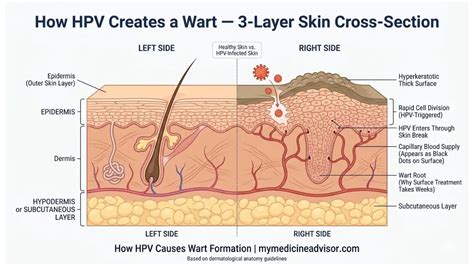
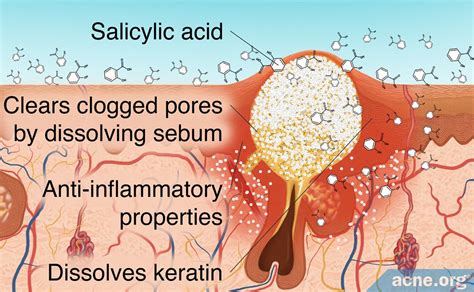
Salicylic acid operates by peeling away the skin in layers, gradually removing the wart over time. Additionally, it irritates the wart area, which stimulates the immune system to recognize and combat the virus causing the wart. This dual action contributes to its effectiveness in clearing warts.
Preparing for Treatment
Before applying salicylic acid, it is recommended to soak the wart in water. This step helps to loosen and soften the skin, allowing the medication to penetrate more effectively. After soaking, gently file the wart with a disposable emery board or pumice stone. It is essential to use a separate filing tool for each wart and to avoid using the same tool on other parts of your body, as the wart tissue contains the virus. Dispose of the filed dead skin carefully to prevent spreading the virus.
Application and Routine
Apply the salicylic acid treatment to the wart, preferably before going to bed. Cover the treated area with a bandage or sock to keep the medication in place and prevent it from smearing. Wash off the medicine in the morning. It is vital to avoid getting salicylic acid on the unaffected skin surrounding the wart, as it should only touch the wart itself.
These steps should be repeated daily. The filing of the wart should be done every few days to remove dead tissue. With consistent application, the wart tissue will soften and can be more easily rubbed off. Remove dead tissue daily or once or twice a week using a file or as instructed on the product packaging. Remember to dispose of the file after use, as it may also contain the wart virus.
If the treated area becomes too tender, stop using the medication for 2 to 3 days. Salicylic acid treatments can take several weeks to months to completely cure a wart.
Available Forms and Dosage Forms
Salicylic acid treatments come in a variety of forms to suit different needs and preferences:
- Gel/Jelly
- Solution
- Pad
- Liquid
- Spray
- Cream
- Ointment
- Foam
- Lotion
- Soap
- Patch, Extended Release
- Bandage
- Shampoo
Specific Instructions for Different Forms
Cream, Lotion, or Ointment
Apply enough medicine to cover the affected area and rub in gently.
Gel
Before applying salicylic acid gel, apply wet packs to the affected areas for at least 5 minutes. Then, apply enough gel to cover the affected areas and rub in gently.
Pad
Wipe the pad over the affected areas. Do not rinse off the medicine after treatment.
Plaster for Warts, Corns, or Calluses
Read the patient instructions carefully before use. Do not use on irritated, infected, or reddened skin. Avoid use if you have diabetes or poor blood circulation. Do not use on warts with hair growing from them, or on warts on the face, genitals, or inside the nose or mouth. Also, do not use on moles or birthmarks.
- Wash and thoroughly dry the area to be treated. Warts may be soaked in warm water for 5 minutes before drying.
- Cut the plaster to fit the wart, corn, or callus and apply.
- For corns and calluses: Repeat every 48 hours as needed for up to 14 days, or as directed by your doctor, until the corn or callus is removed. Soaking in warm water for 5 minutes can help.
- For warts: Depending on the product, either apply the plaster and repeat every 48 hours as needed, or apply at bedtime, leave in place for at least 8 hours, remove in the morning, and repeat every 24 hours as needed. Repeat for up to 12 weeks as needed, or as directed by your doctor, until the wart is removed.
If discomfort worsens or continues after treatment, or if the wart spreads, consult your doctor.
Shampoo
Wet the hair and scalp with lukewarm water. Apply enough shampoo to lather and rub into the scalp for 2-3 minutes, then rinse. Apply again and rinse thoroughly.
Soap
Work up a lather with the soap using hot water and scrub the affected area. For a foot bath, work up suds in hot water and soak feet for 10-15 minutes, then pat dry without rinsing.
Topical Solution
Wet a cotton ball or pad with the solution and wipe the affected areas. Do not rinse off after treatment.
For warts, corns, or calluses, this medicine is flammable and should not be used near heat or open flame. Avoid breathing vapors. Wash and dry the area thoroughly. Apply the medicine one drop at a time to cover each wart, corn, or callus. Let dry.
- For warts: Repeat one or two times a day as needed for up to 12 weeks, or as directed by your doctor.
- For corns and calluses: Repeat one or two times a day as needed for up to 14 days, or as directed by your doctor.
Wash hands immediately after applying, unless hands are the treated area.
Dosage Information
The dosage of salicylic acid varies depending on the specific product, strength, and the condition being treated. Always follow your doctor's orders or the directions on the product label. Generally:
Cream
- Corns and calluses: Adults and children 2 years and older: Use 2-10% cream as needed. Use 25-60% cream once every 3-5 days. Use in children younger than 2 years is not recommended.
Gel
- Acne: Adults and children 2 years and older: Use 0.5-5% gel once a day. Use in children younger than 2 years is not recommended.
- Psoriasis: Adults and children 2 years and older: Use 5% gel once a day. Use in children younger than 2 years is not recommended.
- Common warts: Adults and children 2 years and older: Use 5-26% gel once a day. Use in children younger than 2 years is not recommended.
Lotion
- Acne: Adults and children 2 years and older: Use 1-2% lotion one to three times a day. Use in children younger than 2 years is not recommended.
- Dandruff and seborrheic dermatitis of the scalp: Adults and children 2 years and older: Use 1.8-2% lotion on the scalp one or two times a day. Use in children younger than 2 years is not recommended.
Ointment
- Acne: Adults and children 2 years and older: Use 3-6% ointment as needed. Use in children younger than 2 years is not recommended.
- Psoriasis and seborrheic dermatitis: Adults and children 2 years and older: Use 3-10% ointment as needed. Use in children younger than 2 years is not recommended.
- Common warts: Adults and children 2 years and older: Use 3-10% ointment as needed. Use 25-60% ointment once every 3-5 days. Use in children younger than 2 years is not recommended.
Pads
- Acne: Adults and children 2 years and older: Use one to three times a day. Use in children younger than 2 years is not recommended.
Plaster
- Corns, calluses, common warts, or plantar warts: Adults and children 2 years and older: Use once a day or once every other day. Use in children younger than 2 years is not recommended.
Shampoo
- Dandruff or seborrheic dermatitis of the scalp: Adults and children 2 years and older: Use on the scalp one or two times a week. Use in children younger than 2 years is not recommended.
Brand Names
Salicylic acid is available under numerous brand names, including but not limited to:
Akurza, Aliclen, Avosil, Betasal, Compound WC, Corn Removing, Dermarest Psoriasis, DHS Sal, Drytex, Duofilm, Duoplant, Durasal, Freezone, Fung-O, Gets-It Corn/Callus Remover, Gordofilm, Hydrisalic, Ionil, Ionil Plus, Keralyt, Keralyt Scalp, Lupicare, Mediplast, Mg217 Sal-Acid, Mosco Corn & Callus Remover, Neutrogena, Occlusal-HP, Off-Ezy, Oxy Balance, P & S, Palmer's Skin Success Acne Cleanser, Propa pH, Salac, Sal-Acid Plaster, Salactic Film, Salacyn, Salex, Salitop, Salkera, Sal-Plant Gel, Salvax, Seba-Clear, Stri-Dex, Thera-Sal, Therasoft Anti-Acne, Tinamed, Ti-Seb, Virasal, Wart-Off Maximum Strength, Zapzyt, Acnex, Acnomel Acne Mask, Clear Away Wart Removal System, Compound W One-Step Wart Remover, Compound W Plus, Dr. Scholl's Clear Away One Step Plantar Wart Remover, Dr. Scholl's Cushlin Ultra Slim Callus Removers, Dr. Scholl's Cushlin Ultra Slim Corn Removers, Duoforte 27, Freezone - One Step Callus Remover Pad, Freezone - One Step Corn Remover Pad.
Important Precautions and Warnings
Before Using
- Allergies: Inform your doctor if you have any unusual or allergic reactions to salicylic acid or any other medications. Also, report any other allergies, such as to foods, dyes, preservatives, or animals. For non-prescription products, carefully read the ingredient list.
- Pediatric Use: Young children may be at higher risk of side effects due to increased absorption of salicylic acid through the skin. Skin irritation can also be more common. Salicylic acid should not be applied to large areas, used for long periods, or under occlusive dressings in children. Use in children younger than 2 years is not recommended.
- Geriatric Use: While studies have not shown specific geriatric-related problems, elderly patients with age-related blood vessel disease may require caution.
- Breastfeeding: Adequate studies in women are lacking to determine infant risk. Weigh potential benefits against risks before using while breastfeeding.
- Drug Interactions: Certain medications should not be used together. Inform your doctor about all medications you are taking, as they may need to adjust doses or take other precautions.
Drug Interactions
Certain medications should not be used concurrently with salicylic acid, while others may require dose adjustments. It is essential to inform your healthcare professional about all medications you are currently taking.
Not recommended for use with: Ketorolac, Probenecid.
Usually not recommended, but may be required in some cases: Abciximab, Aceclofenac, Acemetacin, Amiloride, Amineptine, Amitriptyline, Amitriptylinoxide, Amoxapine, Amtolmetin Guacil, Anagrelide, Apixaban, Ardeparin, Aspirin, Balsalazide, Bemetizide, Bemiparin, Bendroflumethiazide, Benzthiazide, Betrixaban, Bismuth Subsalicylate, Bromfenac, Budesonide, Bufexamac, Bumetanide, Cangrelor, Celecoxib, Certoparin, Chlorothiazide, Chlorthalidone, Choline Magnesium Trisalicylate, Choline Salicylate, Cilostazol, Citalopram, Clomipramine, Clonixin, Clopamide, Clopidogrel, Cyclopenthiazide, Cyclosporine, Cyclothiazide.
May cause increased risk of side effects, but may be the best treatment: Acebutolol, Acenocoumarol, Anisindione, Atenolol, Azilsartan, Azilsartan Medoxomil, Benazepril, Betaxolol, Bisoprolol, Candesartan, Captopril, Carteolol, Carvedilol, Celiprolol, Ciprofloxacin, Dicumarol, Enalapril, Enalaprilat, Eprosartan, Esmolol, Fosinopril, Ginkgo, Irbesartan, Labetalol, Levobunolol, Lisinopril, Losartan, Metipranolol, Metoprolol, Moexipril, Nadolol, Nebivolol, Olmesartan, Oxprenolol, Penbutolol, Perindopril, Phenindione, Phenprocoumon, Pindolol, Propranolol.
Other Interactions
Discuss the use of your medicine with food, alcohol, or tobacco with your healthcare professional, as interactions may occur.
Other Medical Problems
- Blood vessel disease or Diabetes: Use with caution. May cause severe redness or ulceration, especially on the hands or feet.
- Inflammation, irritation, or infection of the skin: May cause severe irritation if applied to inflamed, irritated, or infected areas.
- Influenza (flu) or Varicella (chicken pox): Should not be used in children and teenagers with the flu or chicken pox due to the risk of Reye's syndrome.
- Kidney disease or Liver disease: Prolonged use over large areas could lead to unwanted effects.
Proper Use
Use this medicine only as directed. Do not use more, more often, or for a longer time than recommended, as this can increase the risk of absorption and salicylic acid poisoning. This medicine is for external use only. Avoid contact with eyes, nose, or mouth, and rinse immediately with water if contact occurs.
If using an OTC acne product for the first time, test a small amount on a small affected area for 3 days. If no discomfort occurs, follow product directions. If an occlusive dressing is prescribed, use only as directed, as it increases absorption and the risk of poisoning.
Keep away from eyes and other mucous membranes. If accidental contact occurs, flush with water for 15 minutes.
When to Seek Medical Advice
Consult your doctor if:
- The wart bleeds, feels painful, or is severely itchy.
- You have a wart on your face or genitals.
- You suspect a wart might be another type of skin growth.
- You have diabetes, a weakened immune system, or circulation problems.
- A wart changes color or shape rapidly.
- You are unable to get rid of the wart after using salicylic acid consistently for at least 12 weeks.
- You experience adverse side effects.
Your doctor will examine the wart and may perform tests if necessary. They can also discuss alternative treatment options if salicylic acid is not effective or causes adverse reactions.
Alternative Treatments
Several other treatments can help remove warts:
- Cryotherapy: Freezing the wart with liquid nitrogen.
- Electrosurgery: Burning off the wart with an electrical current.
- Cantharidin: A substance applied to the wart that causes a blister to form underneath, lifting the wart away.
- Curettage: Scraping or cutting away the wart with a special instrument.
- Prescription medication: Immunotherapy drugs (e.g., imiquimod, diphencyprone) or injections (e.g., bleomycin, 5-fluorouracil) that stimulate the immune system.
- Laser surgery: Destroying the wart with an intense beam of light.
Discuss the potential side effects and risks of these treatments with your doctor.
Wart Removal Using Liquid Nitrogen
Salicylic Acid 60% Topical Ointment (Compounded)
Salicylic Acid 60% Topical Ointment is a high-concentration, compounded medication intended for use by healthcare professionals. It is a semi-solid preparation with a greasy or oily base that facilitates the delivery of salicylic acid and provides a protective layer. This formulation is effective in treating conditions such as psoriasis, ichthyoses, keratosis pilaris, warts, corns, calluses, and acne.
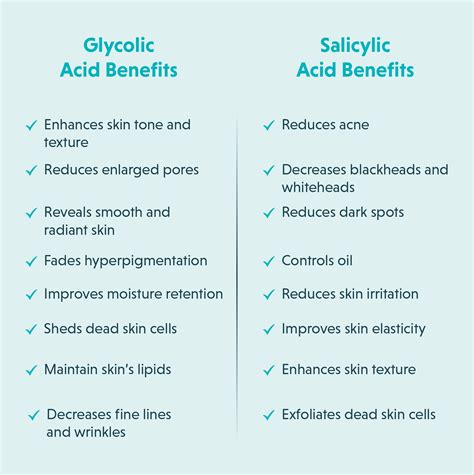
Mechanism of Action: Salicylic acid is a keratolytic agent that softens keratin, promoting the shedding of dead skin cells. It also has mild anti-inflammatory and antibacterial properties.
Application: Clean and dry the affected area before applying a small amount to cover the area and rub in gently. Avoid contact with eyes, nose, mouth, and other mucous membranes. Wash hands before and after application unless hands are the treated area.
Precautions: Due to its potency, it may cause skin irritation, especially in sensitive individuals or on open wounds. Use as directed by a healthcare provider. Patients with diabetes or poor circulation should consult their healthcare provider before use.
Drug Interactions: Concurrent use with abrasive or desquamating topical agents may cause additive irritation. Salicylic acid may enhance the absorption of other topical medications. Caution is advised when used with oral medications that interact with salicylates, such as anticoagulants, anti-diabetic drugs, or methotrexate.
Other Uses: In addition to its primary dermatological uses, this formulation can aid in treating corns, calluses, and severe acne. It may also be used off-label for dermatitis and dandruff, though caution is advised.
Storage: Keep in the original container, tightly closed, out of reach of children, at room temperature, away from light and excess heat/moisture.
This product is typically compounded and not available at retail pharmacies. It requires a prescription from a verified prescriber.