Many of the characteristics that define us, such as race, ethnicity, cultural values, and beliefs, can significantly influence how individuals experience and respond to trauma. For veterans, these inherent aspects of identity can intersect with their military service, leading to unique challenges, particularly concerning racism and discrimination.
Experiences of Racism and Discrimination in Service
During their military service, some veterans encounter racism and discrimination. This can manifest in various ways, impacting their perception and how others perceive their experiences. For instance, a veteran injured in combat might have their injury misinterpreted by civilians who don't associate it with military service, assuming it occurred in a street-related incident due to racial stereotypes. This highlights how racial identity can shape public perception, even of military service.
Cultural nuances in communication can also lead to misunderstandings. A veteran might be told to "use their inside voice" simply because their natural tonality or speaking style is a reflection of their cultural background. This underscores the challenges faced when cultural expressions are not understood or are misconstrued.
Racial stress, defined as the emotional impact of racism and discrimination, and race-based trauma, stemming from traumatic events directly related to race (such as racially motivated violence), can significantly affect mental health. These experiences can contribute to symptoms associated with Post-Traumatic Stress Disorder (PTSD), including intrusive memories, avoidance behaviors, negative thought patterns, and a constant state of hypervigilance or overstimulation. Additionally, they can lead to other health concerns like anxiety, depression, and high blood pressure.
Barriers to Seeking Help
Several barriers can make it difficult for veterans to seek treatment for PTSD, and these barriers can sometimes be intertwined with cultural beliefs or past experiences of racism and discrimination.
Mental Health Stigma
Some veterans grow up in environments where mental health is a taboo subject, preventing open discussion. This stigma can be deeply ingrained, with some communities lacking awareness or understanding of mental health issues. For example, within Asian cultures, the concept of "saving face" can discourage individuals from admitting they are struggling emotionally.
Religious Faith and Mental Health
In certain communities, faith is the primary coping mechanism for mental health concerns. While religious and spiritual practices can be beneficial, they may not always address the complexities of mental health conditions. For instance, relying solely on prayer for mental illness might overlook the need for professional therapeutic intervention.
Cultural Differences with Providers
The cultural background of a mental health provider can also influence a veteran's willingness to open up. A veteran may find it challenging to be fully open with a provider whose background differs significantly from their own, especially if they fear their experiences related to race or culture will not be fully understood.
Navigating the Path to Healing
While evidence-based PTSD treatments are crucial, religious or spiritual practices and community support can also play a vital role in helping veterans manage their symptoms. Making the most of available resources involves proactive steps.
Finding the Right Treatment Provider
Veterans deserve support from a PTSD treatment provider who understands their background and has the expertise to address their specific needs. Key strategies for finding a suitable provider include:
- Communicating Preferences: Veterans should feel comfortable sharing preferences for a provider of the same race, religion, or cultural background with the VA.
- Inquiring About Experience: When meeting a new provider, asking about their experience treating veterans of color or those with similar religious or cultural backgrounds is important.
- Open Dialogue: Veterans should not hesitate to discuss issues related to race with their provider, focusing on whether the provider has their best interests at heart and can be trusted with sensitive information.
Integrating personal practices, such as Buddhist meditation, can help veterans find grounding and create space for emotional processing. This, combined with evidence-based therapy, can provide a holistic approach to healing.
Connecting with Fellow Veterans
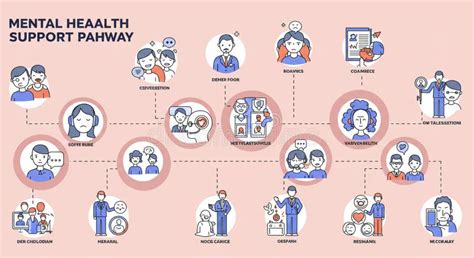
Connecting with others who share similar experiences can be highly beneficial for veterans. Some VA locations offer peer support groups specifically for veterans with PTSD, and some even provide race-based trauma support groups for veterans of color. The VA is actively working to enhance support and resources for veterans of color, encouraging them to advocate for their needs. If a specific support group is unavailable, veterans can ask their treatment provider to help establish a new one. Additionally, Veterans Service Organizations (VSOs) outside of the VA, such as the National Association of Minority Veterans of America (NAMVETS), can offer valuable support tailored to the needs of veterans of color.
A Historical Perspective on Discrimination
The challenges faced by veterans of color are not new; they are rooted in a long history of prejudice and discrimination within the military and upon their return home.
Discrimination During Service
Throughout American history, Black Americans have served in the military, often facing discrimination even as they fought for the nation's freedoms. During World War I, many Black soldiers were relegated to support roles rather than combat. Upon returning home, they encountered escalating racial violence, including lynchings.
During World War II, Black servicemen faced segregation, racial epithets, and threats of violence. Despite serving in critical roles, such as the Red Ball Express truck drivers who were vital to the Allied logistics, their contributions were often overlooked. The "Double V" campaign, advocating for victory over fascism abroad and racism at home, reflected the dual struggle Black Americans faced.
Even when achieving high ranks, Black officers were not immune to discrimination, often facing harsher scrutiny than their white counterparts. Reports indicate that Black service members were significantly more likely to be punished than their peers.

Post-Service Violence and Inequality
The return home was often marked by violence and mistreatment for Black veterans. They risked their lives to protect a country that often denied them full humanity and equal rights. Wearing their uniforms, which should have signified honor, sometimes made them targets of racial prejudice and violence, particularly in the Jim Crow South.
Numerous incidents highlight this brutal reality. The lynching of Charles Lewis in his uniform in 1918, the abduction and murder of Joe Nathan Roberts in 1947 for refusing to call white men "sir," and the shooting death of Isaiah Nixon in 1948 for voting all underscore the dangers Black veterans faced. The notorious Moore's Ford lynchings in 1946, where a Black veteran, his wife, and his sister and brother-in-law were brutally murdered, brought national attention to this issue and contributed to President Harry Truman prioritizing civil rights.
The blinding of Sergeant Isaac Woodard in 1946 by a police chief after an argument on a bus, despite his honorable service in WWII, was a pivotal event that spurred President Truman to form the President's Committee on Civil Rights. These acts of violence, often occurring while veterans were still in uniform, demonstrated a deep-seated fear of Black men asserting their rights and a resistance to acknowledging their equal humanity.
African Americans in World War 2 | Struggle Against Segregation and Discrimination | Documentary
Systemic Disparities in Benefits and Recognition
Beyond physical violence, Black veterans have historically faced systemic barriers in accessing benefits and recognition. Even when laws were race-neutral, bureaucratic processes, unscrupulous agents, and prejudiced personnel made it difficult for Black veterans and their survivors to obtain pensions after the Civil War. Their heroism was often undermined by the press, and their acts of bravery were downplayed or twisted.
In more recent times, disparities persist. Black veterans are more likely to be denied disability compensation for PTSD. The Black Veterans Project has worked to expose these systemic disparities, highlighting that a significant percentage of Black veterans fear reporting discrimination due to potential retribution.
The military's struggle with systemic racism is an ongoing issue. While progress has been made, such as the appointment of the first African American Secretary of Defense, Lloyd Austin, the military faces calls for an "honest reckoning" with its past and present challenges related to white nationalism and racial bias within its ranks. Initiatives like stand-down orders and probes into extremism are seen as necessary steps, but advocates emphasize the need for dedicated resources and courageous enforcement of existing policies.
Advocacy and the Path Forward
The experiences of veterans of color highlight the enduring impact of racial prejudice. Organizations like the Black Veterans Project are crucial in advocating for the stories and rights of Black veterans, working to ensure their service is recognized and that they receive equitable treatment and benefits. Their efforts include partnering with legal institutions to analyze data on racial discrimination in disability allocations and advocating for justice in cases of wrongful discharge or denial of benefits.
The legacy of discrimination has had a generational impact, affecting families' access to education and financial stability. Addressing these historical and ongoing inequities is essential for honoring the sacrifices of all who have served.