A high-frequency wand is a device that people may use to improve the appearance of their skin. These wands send mild high-frequency currents over targeted areas of the skin. This article explains the potential benefits of using a high-frequency wand, safety considerations, how to use one, and answers some common questions.
Potential Benefits of High-Frequency Treatments
People typically use high-frequency devices with the aim of improving the appearance of skin, such as reducing visible signs of aging. Below are some potential benefits of this type of treatment:
Fine Lines and Wrinkles
A 2021 study highlights that high-frequency ultrasound energy can cause tissue clotting and remodeling by inducing thermal injury in the dermis. In the study, 58 people used high-frequency ultrasound treatment over 12 weeks. Researchers observed a significant reduction in wrinkles in 86% of participants, and the majority of participants were satisfied with the treatment.
A 2024 study tested high-frequency generator therapy for eight weeks on signs of facial aging in 26 participants between the ages of 50 and 60. The researchers found statistically significant improvements in wrinkles around the mouth and eyes. However, it is worth noting that current studies on high-frequency devices for facial aging are small. Further research in larger groups of participants may be necessary to understand the effectiveness of this technique.
Acne
A 2022 study examined the potential antimicrobial effects of high-frequency therapy on acne and skin bacteria samples in a laboratory. High-frequency therapy caused significant reductions in almost every bacterial and fungal species the researchers tested. They concluded that high-frequency therapy may have potential as a complementary therapy for people with acne and superficial skin infections. However, more research on humans is necessary to understand the full extent of these potential benefits.
Anecdotal Benefits
Other potential benefits of high-frequency wands may have support from anecdotal evidence. Anecdotal evidence is due to personal experiences, opinions, and reports rather than any sort of scientific testing. Anecdotal accounts online suggest that high-frequency wands may have the following effects:
- Reducing pore size
- Reducing skin discoloration and inflammation
- Acne and pimple reductions
- Hair growth
- Smoother skin texture
Since these reports tend to come from individual experience, it is important to note that other people may not experience the same effects. People may also not consider other factors that could contribute to these changes, such as diet or other cosmetics. More studies are necessary to support these effects and the effectiveness of high-frequency wands on these factors.
Understanding the Science and History of High-Frequency
High-frequency is a popular skincare technique that is used to treat a variety of conditions, including acne management, enlarged pores, fine lines and wrinkles, and puffy or dark eyes. To fully understand the concept of high frequency, it is helpful to learn about the science behind its creation and the benefits it has when used on your skin.
The History of High-Frequency
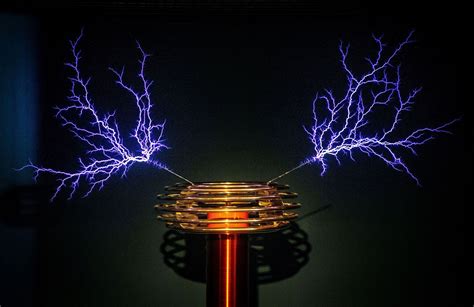
High-frequency, also known as the Tesla high-frequency current, was first developed in the late 1800s by renowned scientist Nikola Tesla. While it can be used in various ways, before the invention of “modern” antibiotics, it was largely used for medical purposes, such as the treatment of strep throat and other infections. Today, however, it is widely used by prestigious spas and professional salons as an important component of many skincare treatment regimens, procedures, and programs. Its many benefits include treating acne, enlarged pores, fine lines and wrinkles, puffy eyes, dark under eye circles, cellulite, and, in some cases, thinning hair.
The Science of High-Frequency
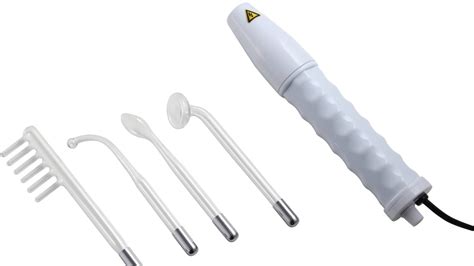
All high-frequency facial machines function by using a glass high-frequency electrode to treat various contours of the face and body. When applied to the surface of the skin, a mild electrical current passes through the neon or argon gas-filled glass electrode, causing it to emit a subtle glow and buzzing noise. Depending on the inert gas they are filled with, the electrodes produce either a neon red/orange or violet/blue light. Traditionally, acne-prone skin is treated with violet, and aging skin is treated with red; however, recent studies show that both are effective regardless of the skincare concern.
During the high-frequency treatment, enriched oxygen molecules are produced that create an anti-bacterial action and a “natural” thermal tissue warming. This reaction helps your blood vessels push away toxins, while the cells in your skin are enriched with nutrients and hydrating volume. This, in turn, creates an increase in blood circulation and cell renewal that supports increased levels of collagen and elastin. The skin is left feeling instantly energized and noticeably softer after just one treatment.
How High-Frequency Treatments Work for Acne
High-frequency has proven to be effective on almost any skin lesion, from acne and burns to waxing procedures and cold sores. Acne creates ongoing challenges for people who need to fight its persistence because standard store-bought treatments often fail to work. The high-frequency facial treatment has become a popular professional treatment because it delivers effective results. The high-frequency facial treatment employs a unique device that produces a soft electrical signal that passes through a glass electrode. The high-frequency current produces an oxygenating effect which makes it impossible for P. acnes bacteria to thrive. The presence of too much oil in the skin leads to blocked pores. High-frequency facials serve as a secure method that delivers successful results to treat acne while enhancing the condition of your skin.
Fun fact: high-frequency currents were first discovered by Nikola Tesla in the late 1800s. He channeled these currents to produce ozone, which has powerful antibacterial and antiseptic properties. This was used to treat infections such as strep throat. This concept, pioneered by Tesla, is also what makes high frequency effective against acne-an infection caused by P. acnes bacteria. Using small electrical currents, the high-frequency machine gives off ozone (the O3 version of oxygen). Because bacteria can’t survive in an oxygen-rich environment, high frequency can help to eliminate P. acnes and improve breakouts faster.
The "Sparking" Method for Pimples
The method used to target individual blemishes using high frequency is also called “sparking.” A high-frequency device should ONLY be used on blemishes that are red, painful, and sore to the touch. If you try to use it on clogged pores or the marks left behind by breakouts, you won’t have any luck. Start with clean skin and choose the smallest, rounded attachment. Apply a water-based conducting gel, like Skin Correcting Serum, over the blemish. Turn the device up to about ¾ strength; turning it up too high is too aggressive. Place it directly over the blemish, making contact with the skin. Do this once a day until the blemish is no longer sore. The sparking method should only be used on a pimple ONCE a day.
It is important to know that UV light triggers discoloration by overstimulating pigment cells. This means that it could make post-blemish marks worse by keeping fussy pigment cells active. It’s so important not to use this device more often than directed. Another way to avoid inadvertently damaging your skin is to stop “sparking” a blemish once it’s no longer sore to the touch. This should be done once a week. If you’ve already used the “sparking” method on an individual blemish that day, avoid the area.
Safety Considerations and Potential Side Effects
Cosmetic devices that use high frequencies may cause the following adverse effects:
- Pain or discomfort
- Redness and other skin color changes
- Swelling
- Blisters or burns
People should not use these wands on skin with an open wound. It is also a good idea to speak with a healthcare professional, such as a dermatologist, before using these devices if someone has any implants that the device could affect.
Cosmetic devices may not have Food and Drug Administration (FDA) approval. People may benefit from speaking with a healthcare professional before using high-frequency wands to ensure the device they choose is safe and suitable for them.
Who Should Exercise Caution?
While this device can be really effective, it could also be negatively affecting the skin when used incorrectly or too often. It gives off a bit of UV light. Those prone to hyperpigmentation should be particularly cautious. If the dark marks left behind by acne are a bigger concern than acne itself, proceed with caution. This is especially true if you have a deeper skin tone, since this makes you more prone to hyperpigmentation, which may already be an issue or deeper skin tones. This doesn’t mean you need to skip the device altogether, but you will have to be extremely diligent about using it correctly. You might also consider getting it done by a trained professional (like an esthetician) to minimize risk.
Those who overfixate on skincare and have a hard time controlling behaviors like skin picking (the “more is better” attitude!) may also find this device challenging. Remember that managing acne requires a consistent, well-rounded approach!
Important Precautions
Years ago, an esthetician applied an alcohol-based toner to a client’s skin before using high frequency. Because the high-frequency device uses an electrical current, it actually lit the alcohol on fire and a flame shot across the client’s skin! Needless to say, if you use a liquid medium for conducting, make sure it’s free of solvents and drying alcohols like SD alcohol 40.
As a general rule, people should not use a high-frequency device if they have open wounds on their skin.
How to Use a High-Frequency Wand
People may be able to have high-frequency wand treatments as part of other aesthetic treatments, such as a facial. However, it is also possible to buy these devices for home use. As a general rule, it is a good idea to work with a healthcare professional, such as a dermatologist, when using a high-frequency wand for cosmetic purposes. The following tips may also help when using a high-frequency wand:
- Use it on a small area first to see how the skin reacts.
- Wash and thoroughly dry the face before using the high-frequency wand.
- Start on the lowest setting.
- Move the wand in small, circular motions over the skin, avoiding sensitive areas, such as the eyelids.
- Avoid pressing the wand head too firmly on the skin. Maintain gentle pressure for a smooth, gliding motion.
The exact process for using a high-frequency wand may differ depending on the specific device. People should follow the instructions on the wand’s packaging to reduce the risk of side effects such as injury from incorrect use.
To maximize results when using a high-frequency wand for the skin, people can work with a dermatologist, who can guide them on the optimal technique, duration, and frequency of use. Following the product’s instructions may help to improve results and reduce the risk of unwanted side effects. With any new cosmetic procedure, it may also help to avoid overdoing it. Start with the lowest setting and give the skin a break between uses.
Frequency and Skin Type
How often to use a high-frequency wand may depend on a person’s skin type and their skincare aims. A dermatologist can advise someone on the best duration and frequency of use for their skin type. For most people, using high-frequency treatment 2-3 times per week is enough. You can have several treatments before switching to monthly maintenance sessions.
More research is necessary to compare the effects of high-frequency wands on different skin types. People can speak with a dermatologist to ensure this device is suitable for their skin.
High-Frequency vs. Microcurrent
High-frequency uses a glass electrode and a mild electrical current that helps kill bacteria and promote surface-level skin renewal. Meanwhile, microcurrent works deeper. It uses low-voltage electrical currents to stimulate facial muscles to improve elasticity.
Other Considerations
High-frequency facials are usually gentle. You might feel a light tingling, warmth, or a mild buzzing sensation. The facial can also help those with early aging skin.
High-frequency treatment can do a great job of reducing pore size.
We don’t recommend using retinol or glycolic acid right after a high-frequency facial. After the procedure, your skin’s sensitivity is heightened. Both retinol and glycolic acid can pose a risk of additional irritation. Ideally, you should wait 2-3 days before resuming such skincare.
For most people, there’s minimal or no downtime.
Yes, it often is. It works well alongside many treatments (e.g., gentle facials, cleansers, masks) as long as the other facials aren’t too harsh.
High-frequency sessions can last between 5 and 15 minutes. After one treatment, you’ll often notice that your skin looks more radiant and feels softer. You are likely to see less redness, fewer breakouts, or less puffiness.
We recommend avoiding high-frequency treatments during pregnancy. Right now, there is no evidence to confirm safety for the growing baby during the facial.