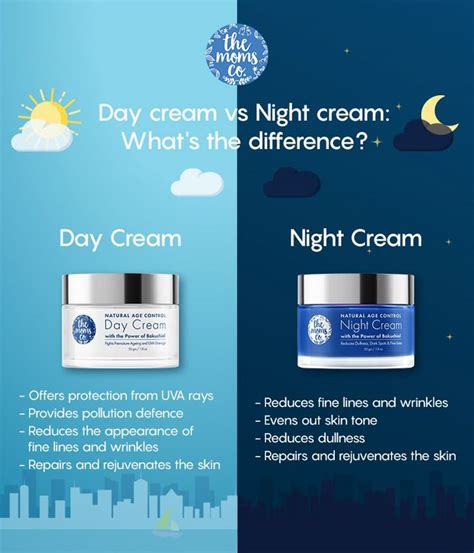
Night creams are specifically formulated to work in synergy with your skin's natural repair processes that occur while you sleep. Unlike day creams, which often focus on protecting the skin from environmental aggressors like UV rays and pollution with antioxidants and lightweight hydrators, night creams are designed to deeply nourish and rejuvenate. They tend to be richer in texture and contain potent active ingredients such as retinol, peptides, and higher concentrations of hydrating agents.
Why Use a Night Cream?
During the day, your skin is exposed to various environmental stressors, including UV radiation, pollution, and dirt. Day creams typically contain ingredients like antioxidants and humectants such as hyaluronic acid and glycerin to combat these external factors and provide a lighter layer of hydration. Nighttime, however, is when your skin is in its restorative phase. Night creams leverage this period by supporting the skin’s natural repair mechanisms. This is why they often feature more potent and concentrated ingredients aimed at deep nourishment and rejuvenation.
Key Ingredients to Look For in Night Creams
When selecting a night cream, especially for concerns like acne, several key ingredients can significantly benefit your skin:
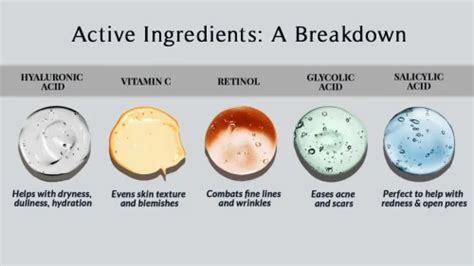
- Retinol: An active form of vitamin A, retinol is highly effective in improving the appearance of fine lines, wrinkles, hyperpigmentation, and skin roughness. It also plays a crucial role in combating acne by promoting cell turnover and unclogging pores.
- Peptides: These are short chains of amino acids that act as building blocks for proteins like collagen and elastin. In night creams, peptides help support skin firmness, elasticity, and can contribute to a more youthful appearance.
- Hyaluronic Acid: A powerhouse hydrator, hyaluronic acid draws moisture into the skin and helps retain it, leading to plump, dewy, and well-hydrated skin.
- Ceramides: These are lipids that naturally occur in the skin and are vital for maintaining a healthy skin barrier. In night creams, ceramides help to strengthen the barrier, preventing moisture loss and protecting against environmental damage.
- Niacinamide (Vitamin B3): This versatile ingredient offers numerous benefits, including controlling oil production, calming inflammation, minimizing the appearance of pores, improving skin texture, and reducing redness, making it particularly beneficial for acne-prone and sensitive skin.
- Antioxidants (e.g., Vitamin C, Vitamin E, Resveratrol): These ingredients protect the skin from free radical damage caused by environmental stressors. Vitamin C also brightens the skin and promotes collagen production, while Vitamin E offers protective and anti-aging benefits.
- Glycerin: A humectant that attracts water to the skin, helping to keep it hydrated and soft.
- Shea Butter and Squalane: These emollients provide deep moisturization and help to soothe and soften the skin. Squalane, in particular, can help relieve inflammation and oiliness.
- Salicylic Acid: A beta-hydroxy acid (BHA) that penetrates pores to dissolve oil and dead skin cells, helping to calm breakouts and blackheads.
- Mandelic Acid: A type of alpha-hydroxy acid (AHA) that is gentler than other AHAs, making it suitable for sensitive and acne-prone skin. It helps exfoliate the skin and can improve texture and tone.
- Azelaic Acid: Known for its anti-inflammatory and antibacterial properties, azelaic acid is effective in treating acne and reducing post-inflammatory hyperpigmentation.
Choosing a Night Cream for Acne-Prone Skin
Acne-prone skin requires careful consideration when selecting a night cream. The ideal formula should be:
- Non-comedogenic: This means it won't clog pores, which is crucial for preventing breakouts.
- Lightweight and Oil-Free: For those with oily or combination acne-prone skin, lighter formulations prevent excess greasiness.
- Hydrating but Not Heavy: Balancing hydration is key. Ingredients like hyaluronic acid and glycerin provide moisture without feeling heavy or occlusive.
- Soothing and Anti-inflammatory: Ingredients like niacinamide and certain botanical extracts can help calm redness and irritation associated with acne.
Some night creams are specifically designed to address acne concerns. For instance, a cream formulated with retinol can help manage breakouts, while ingredients like ceramides and niacinamide can support the skin barrier, which is often compromised in acne-prone individuals. It's important to choose products that offer benefits without causing further irritation or dryness.
Specific Night Cream Recommendations and Their Benefits
Several night creams stand out for their effectiveness and ingredient profiles:
Best Overall: CeraVe Skin Renewing Night Cream
This affordable, fragrance-free option is a favorite for its blend of ceramides, hyaluronic acid, and a peptide complex. It supports the skin barrier, hydrates deeply, and improves elasticity. Its noncomedogenic nature makes it suitable for sensitive and acne-prone skin, and niacinamide helps even tone and texture, addressing post-acne marks and dullness.
Key ingredients: Peptides, ceramides, niacinamide, hyaluronic acid.
Fragrance-free: Yes.
Best Drugstore: No7 Protect & Perfect Intense Advanced Night Cream
Containing vitamin E, shea butter, and collagen peptides, this cream offers hydration with anti-aging benefits. It supports skin firmness and smoothness while providing rich moisture without a greasy feel. While some users find it dries down overnight, its rich and creamy formula is suitable for sensitive skin types.
Key ingredients: Vitamin E, shea butter, collagen peptides.
Fragrance-free: Yes.
Best for Mature Skin: L’Oréal Paris Age Perfect Cell Renewal Midnight Cream
Infused with antioxidants like vitamin E and shea butter, this cream is designed for mature skin, helping to smooth fine lines and protect the skin barrier. It melts into the skin without leaving a white cast.
Key ingredients: Antioxidants, vitamin E, shea butter.
Fragrance-free: No.
Best for Oily Skin: Kiehl’s Ultra Facial Cream
This lightweight moisturizer is recommended for acne-prone and oily skin. It contains glycerin, pro-ceramides, and squalane to repair the moisture barrier, reduce inflammation, and manage oiliness. Its noncomedogenic and fragrance-free formula makes it gentle for sensitive skin types, leaving oily areas smooth and matte.
Key ingredients: Squalane, glacial glycoprotein, pro-ceramides.
Fragrance-free: Yes.
Best Antiaging: Clinique Smart Clinical Repair Wrinkle Correcting Cream
This cream uses peptides to combat sagging skin, soybean seed extract for antioxidant protection, and hyaluronic acid to plump and firm. It targets areas prone to deep wrinkles and sagging, aiming to make skin look brighter and more youthful.
Key ingredients: Peptides, soybean seed extract, hyaluronic acid.
Fragrance-free: No.
Best for Acne-Prone Skin: InnBeauty Project Extreme Cream
This retinol-based moisturizer offers the benefits of retinol without the typical irritation. It contains peptides to plump and refine skin, and ceramides for a smooth, buttery formula. It's comfortable to apply, absorbs easily, and is suitable for sensitive and acne-prone skin, providing hydration without greasiness.
Key ingredients: Retinol, peptides, ceramides.
Fragrance-free: Yes.
Best for Dry Skin: Charlotte Tilbury Charlotte’s Magic Cream
A rich, whipped cream that provides long-lasting hydration. It contains hyaluronic acid, vitamins C and E, and peptides to moisturize, firm, and create a youthful appearance. Its texture is airy and dries quickly, making it suitable for everyday wear and as a makeup primer.
Key ingredients: Vitamin C and E, plump effect peptide complex, hyaluronic acid, rose-hip oil, aloe vera, camellia oil, shea butter, frangipani flower extract.
Fragrance-free: No.
Best Barrier Cream: Rhode Barrier Restore Cream
This cream utilizes squalane and shea butter for hydration, and niacinamide to reduce inflammation and brighten the skin. It's effective for repairing a compromised skin barrier and leaving a glowy finish, making it ideal for combination skin and makeup prep.
Key ingredients: Shea butter, squalane, peptides, acai, niacinamide.
Fragrance-free: Yes.
Understanding Ingredients for Acne Management
For acne-prone skin, specific ingredients are essential for controlling oil production, calming inflammation, fighting acne-causing bacteria, and preventing dark spots without compromising the skin barrier. Key ingredients include:
- Niacinamide: Penetrates pores to dissolve oil and dead skin cells, calming breakouts and blackheads.
- Mandelic Acid: Safely exfoliates and improves skin texture and tone, suitable for sensitive skin.
- Salicylic Acid: A BHA that unclogs pores and reduces inflammation.
- Azelaic Acid: Treats acne and reduces redness and post-inflammatory hyperpigmentation.
- Benzoyl Peroxide: An effective spot treatment for severe acne breakouts.
Vitamin C is also beneficial for acne-prone skin due to its antioxidant properties that combat acne-causing bacteria and brighten the complexion. Lightweight, oil-free moisturizers rich in ceramides, hyaluronic acid, and glycerin are recommended to maintain hydration without clogging pores.
Lifestyle Tips for Acne-Prone Skin
Beyond topical treatments, lifestyle habits play a significant role in managing acne-prone skin:
- Sun Protection: Daily use of SPF 50 sunscreen is crucial, with reapplication every two hours when outdoors. Protective clothing, hats, and sunglasses offer additional defense.
- Cleansing Routine: Use a non-stripping foaming or cream-based cleanser to remove sunscreen and makeup.
- Exfoliation: Gentle chemical exfoliation with ingredients like mandelic acid or salicylic acid can help without causing irritation.
- Pillowcases: Opt for satin or silk pillowcases and change them frequently.
- Sleep Habits: Try sleeping on your back and avoid sleeping in makeup.
Visible improvements in acne and post-inflammatory hyperpigmentation can take up to 12 weeks. Consistency with a targeted routine and healthy lifestyle habits is key.