In today's fast-paced world, instant gratification is not just preferred but expected, and this sentiment extends to skincare results. Fortunately, advancements in technology are meeting this demand for speed. The Pico Laser, a favored tool among dermatologists for its efficacy in removing pigmentation, tattoos, and acne scars, delivers results with remarkable speed, operating in picoseconds-trillionths of a second.
The Pico Laser portfolio includes models like PicoSure, PicoWay, and PicoSure Pro, all designed to deliver energy in extremely short pulses. These pulses effectively shatter pigment within the skin into tiny fragments that the body can naturally clear. As licensed esthetician Evelyn Ramirez, founder of Evelyn Aesthetics NYC, explains, "The ultrafast picosecond pulses shatter ink and pigment into tiny fragments that the body can naturally clear."
Due to the different models available, Pico Lasers can address a wide spectrum of concerns, ranging from tattoo removal to stimulating collagen production. Board-certified dermatologist Dr. Chelsea Hoffman at Hudson Dermatology and Laser Surgery notes, "Pico lasers are especially great for pigment (treating sun spots, freckles, melasma, and post-inflammatory hyperpigmentation, et cetera)." A particularly promising aspect of the Pico Laser is its mechanism of action: "because the energy is delivered more mechanically than thermally, there’s typically less heat damage, which means a lower risk of pigment problems and faster recovery compared with many traditional lasers." This characteristic makes Pico Laser a suitable treatment option for all skin tones, whereas other lasers can pose risks when treating deeper skin tones. Moreover, faster recovery is a highly desired outcome for skincare patients.
Understanding the Pico Laser Technology
Pico Lasers are generally favored because their extremely short pulses create a "sound-wave effect that shatters unwanted pigment or tattoo ink into tiny particles with very little heat created," according to Dr. Hoffman. She further explains that when treated with lower energy passes of this fractional beam, it is often referred to as "picotoning."
It is important to understand that "Pico laser" is not a single device but rather a family of lasers that emit energy in picoseconds. Each model within the Pico Laser family is optimized for treating different concerns. For instance, when it comes to tattoo removal, PicoWay is more effective for darker ink colors, while PicoSure may be better suited for addressing more vibrant hues. For individuals seeking smoother, more taut skin, the PicoSure Pro is often recommended.
"Some devices can also deliver the beam in a fractional pattern (which creates a grid of microscopic zones of controlled injury) that stimulates collagen and elastin and helps with texture, pores, and fine lines," adds Dr. Hoffman. A board-certified physician will determine the most appropriate Pico Laser option based on an individual's specific skin concerns.
Key Benefits of Pico Laser Treatment
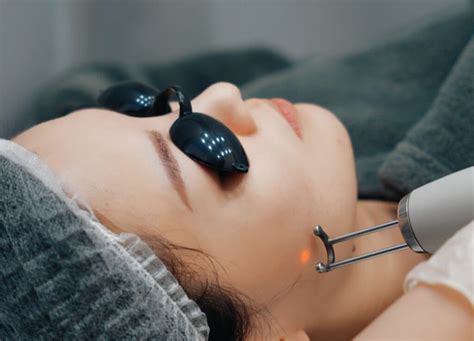
The prominent advantages of Pico Laser treatment lie in its versatility and ability to address a broad range of skin concerns. These include enhancing collagen production, improving skin texture (such as treating acne scars), and removing tattoos. The treatment can be applied to areas beyond the face, as Ramirez points out: "I treat the face, neck, chest, hands, arms, and even the back. If there’s pigment or scarring, Pico can usually help." Significantly, unlike many other laser treatments, Pico Lasers are recommended for all skin tones, including more melanated skin.
Furthermore, Pico Laser sessions are typically brief, often lasting around 15 minutes, and may require fewer treatments compared to older nanosecond lasers, according to Dr. Hoffman. A notable benefit is the minimal downtime, with recovery generally requiring only 24 to 48 hours.
Who is an Ideal Candidate for Pico Laser Treatment?
Dr. Morgan Rabach suggests that individuals experiencing pigmentation issues such as sunspots, melasma, and post-inflammatory hyperpigmentation are excellent candidates for Pico Laser treatments, as it can effectively "help brighten and even out skin tone." Ramirez emphasizes the inclusivity of Pico Laser, stating, "because it’s non-thermal, Pico is safe for all Fitzpatrick skin types, including deeper skin tones and those prone to melasma or post-inflammatory hyperpigmentation." In essence, "anyone struggling with pigmentation, uneven texture, or dullness is a great candidate," she concludes.
Potential Risks and Side Effects of Pico Laser Treatment
"Even though pico lasers are generally safer and gentler than many traditional lasers, they’re still powerful medical devices," cautions Dr. Hoffman. Ramirez echoes this sentiment, noting that while risks are low, temporary side effects like redness, swelling, or darkening of pigment can occur. She specifically warns about the possibility of post-inflammatory hyperpigmentation if aftercare instructions are not meticulously followed.
Dr. Rabach adds that hypopigmentation, a lightening of the skin, is also a potential, though less common, side effect. Strict sun protection is mandatory during the healing period. As with any cosmetic medical treatment, Ramirez stresses that "choosing an experienced provider makes a huge difference."
Common Side Effects
- Temporary Redness & Swelling: Mild redness and swelling in the treated area are common immediately following the procedure but typically subside within hours to a day.
- Pigmentation Changes: In rare instances, temporary hyperpigmentation (darkening) or hypopigmentation (lightening) of the skin may occur. These changes are usually reversible.
- Crusting: Some patients might observe small scabs or crusts in the treated area, which are part of the natural healing process and will slough off.
Pico Laser vs. Traditional Lasers: A Comparison
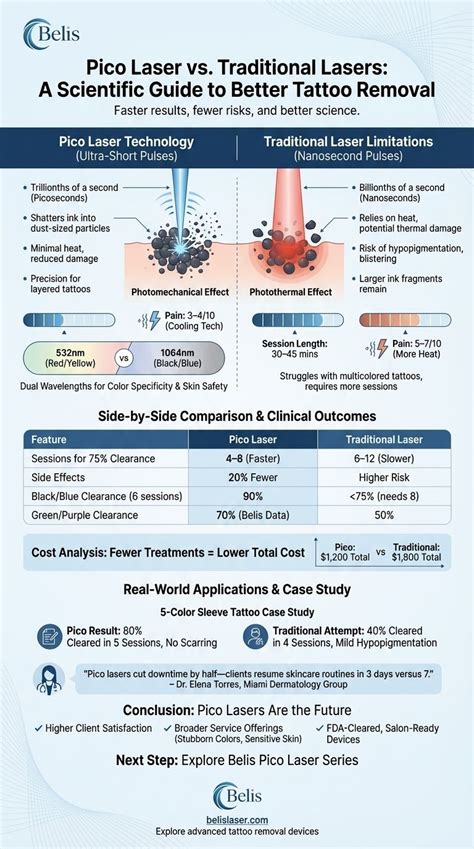
When comparing Pico Lasers to traditional laser treatments for pigmentation, several key differences emerge. Pico Lasers do not rely on heat and can target deeper pigmentation more effectively than Intense Pulsed Light (IPL) and Broad Band Light (BBL) lasers. Ramirez explains, "IPL and BBL use heat and broad-spectrum light, which isn’t safe for deeper skin tones or melasma."
Pico Lasers also offer more targeted treatment capabilities compared to IPL or BBL, allowing for a focus on individual dark spots. This precision is particularly beneficial for stubborn sun spots, freckles, and pigmented scars, as noted by Dr. Hoffman. Furthermore, Pico Lasers generate less heat, minimizing thermal damage and reducing the risk of side effects like prolonged redness, swelling, and discomfort. This enhanced safety profile makes Pico Lasers a suitable option for a wider range of skin types and concerns, often resulting in reduced downtime.
Post-Treatment Care to Prevent Side Effects
Proper post-treatment care is crucial for minimizing potential side effects and ensuring optimal healing after Pico Laser treatments. Meticulous adherence to your healthcare provider's instructions is essential.
- Avoid Sun Exposure: Protect the treated area from direct sunlight and UV radiation. If unavoidable, use a broad-spectrum sunscreen with a high SPF (50+) and reapply regularly.
- Avoid Hot Water and Strenuous Activities: Refrain from hot showers, saunas, and activities causing excessive sweating for a few days post-treatment, as heat can increase irritation.
- Skip Harsh Skincare Products: Avoid products containing retinoids or alpha hydroxy acids until the skin has fully healed. Stick to mild, non-irritating skincare recommended by your provider.
- Do Not Pick or Scratch: Resist the urge to pick at scabs or peel the treated skin to prevent scarring and infection. Allow the skin to exfoliate naturally.
- Stay Hydrated: Drink plenty of water to support overall skin health and hydration.
- Avoid Makeup: Do not apply makeup or other cosmetic products to the treated area until it has fully healed to prevent pore clogging and reduce the risk of infection and irritation.
- Attend Follow-Up Appointments: Attend scheduled appointments to allow your provider to monitor progress and address any concerns.
- Communicate Any Concerns: Contact your healthcare provider immediately if you experience unexpected or severe side effects.
Individual responses to laser treatments can vary, making open communication with your healthcare provider vital for tailored post-treatment care.
When Can You Expect to See Results?
For concerns like brown spots and uneven tone, patients may observe brighter, more even skin within a few weeks, with continued improvement over subsequent sessions as the body clears pigment, according to Dr. Hoffman. While results are generally long-lasting, they are not permanent, as new sun damage, hormonal changes, and inflammation can lead to the formation of new pigment.
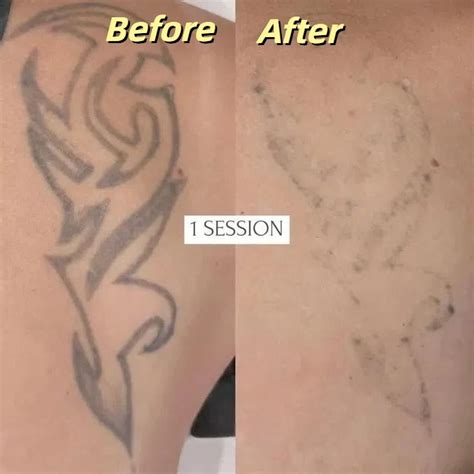
Dr. Rabach suggests that for maintaining brighter skin with reduced pigmentation, "yearly maintenance is recommended." The collagen boost from treatments targeting texture, pores, and fine lines can last for several months to years, though ongoing maintenance through procedures, home skincare, and diligent sun protection remains key. Tattoo removal is considered quite permanent, although Dr. Hoffman notes that "there can be some faint ink that persists."
Does Pico Laser Cause Side Effects on Certain Skin Types?
Pico Laser treatments are engineered to be safe and effective across a wide spectrum of skin types, including darker skin tones. The technology is not inherently limited to causing side effects on specific skin types; rather, potential side effects are managed through proper technique and aftercare, applicable to all individuals undergoing treatment.