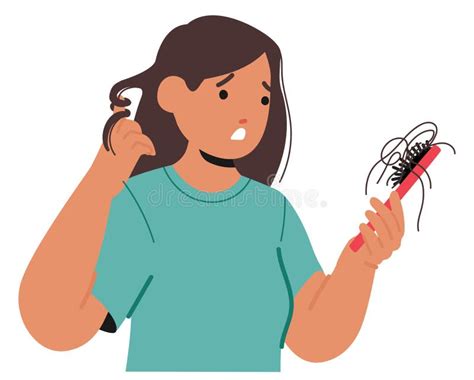
It can be alarming to notice hair loss. While everyone loses some hair during shampooing or brushing as part of the natural hair growth process, excessive shedding or patchy baldness can be concerning. Scalp itchiness, especially when excessive or constant, accompanied by crusty areas or more-than-normal hair loss, may signal an underlying issue. This condition can be caused by a number of factors and can be a symptom of an underlying medical condition.
Common Causes of Itchy Scalp and Hair Loss
An itchy scalp and subsequent hair loss can stem from various conditions, ranging from common scalp issues to autoimmune disorders.
Dandruff (Seborrhea)
Dandruff is often attributed to overactive oil glands on the scalp. This condition typically emerges during adolescence due to hormonal influences on oil production. Some research suggests that dandruff may also be linked to a yeast infection affecting the scalp and hair follicles. While yeast can inflame the scalp and cause itching, potentially weakening hair roots and leading to hair loss, this is rare and usually occurs only with severe, untreated dandruff over extended periods.
Psoriasis
Scalp psoriasis affects approximately 50 percent of individuals with psoriasis. It is characterized by:
- Silvery, dry scales on the scalp.
- Inflamed scalp.
- Hair loss resulting from excessive scratching or attempts to remove scales.
Alopecia Areata
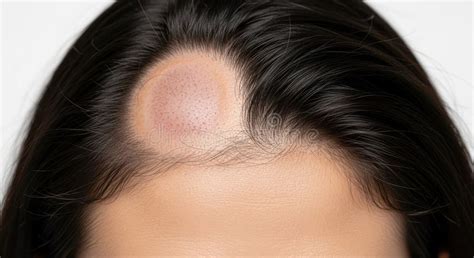
Alopecia areata is an autoimmune condition where the immune system mistakenly attacks healthy hair follicles. This can lead to itchy scalp, tingling sensations, and tufts of hair falling out, resulting in circular patches of baldness. It is more common in individuals with a family history of other autoimmune diseases, such as type 1 diabetes or rheumatoid arthritis. While there is no cure, managing flare-ups and nourishing the scalp can help. Prescription medications like corticosteroids and topical immunotherapy may be recommended to calm the immune response. Home remedies such as anti-inflammatory foods (honey, onions, garlic, oatmeal) and stress-reduction techniques like meditation and yoga can also be beneficial. Aromatherapy scalp massages with essential oils like thyme, rosemary, lavender, and cedarwood may offer additional support. As of June 2022, FDA-approved treatments are available, and patients should consult their healthcare provider about these new options.
Tinea Capitis (Ringworm of the Scalp)
This is a contagious fungal infection that penetrates the hair shaft, causing itchiness and hair loss. Depending on the specific fungus, hair may break off at or just above the scalp surface, leaving short stubs. Tinea capitis is most common in young children and can be accompanied by:
- A raised, dry, scaly rash.
- Black, bumpy dots on the scalp.
Allergic Reactions
Severe allergic reactions to ingredients like paraphenylenediamine (PPD), commonly found in hair dyes, can cause an inflamed, itchy scalp and hair loss. One study indicated that up to 1 percent of subjects were allergic to PPD. Allergic reactions to insect bites can also manifest as an itchy rash on the scalp.
Folliculitis
Folliculitis is an inflammation of the hair follicles, typically caused by staph bacteria or fungi. It can occur on any part of the body where hair grows, including the scalp. Symptoms include small, itchy bumps, and it can lead to temporary hair loss on the scalp. While hair usually regrows with proper treatment, permanent hair loss can occur in rare cases.
Lichen Planopilaris
This inflammatory scalp condition, believed to be related to an immune system malfunction, often affects young adult women. It can cause patches of hair loss along with scalp scaling, redness, burning sensations, bumps, and blisters. Permanent hair loss may result if the hair follicles become irreversibly scarred.
Treatments for Itchy Scalp and Hair Loss
Treatment approaches depend on the specific cause of the itchiness and hair loss. Medical interventions may include:
- Steroids (oral or topical creams/injections) to reduce inflammation.
- Antifungals (topical or oral) to treat fungal infections.
- Immunotherapy medications to modulate the immune response.
Common therapies specifically for hair loss include:
- Minoxidil (Rogaine) to slow hair loss and promote regrowth.
- Finasteride (Propecia) for inherited baldness.
- Hair transplantation.
Home Care and Lifestyle Recommendations
Not all cases of itchy scalp and hair loss necessitate medical intervention. Simple self-care practices can contribute to scalp and hair health:
Diet and Nutrition
A healthy diet rich in essential nutrients is crucial for hair and scalp health. Key nutrients include:
- Iron
- Zinc
- Niacin
- Selenium
- Vitamins A, D, and E
- Biotin
- Amino acids
- Protein
It is important to note that these nutrients should ideally be obtained from a balanced diet. Supplementation is generally recommended only if a deficiency is confirmed, as excessive intake of certain nutrients can paradoxically lead to hair loss.
Targeted Shampoos and Essential Oils
Using shampoos specifically designed for scalp conditions can be beneficial. While scientific evidence is limited, some animal studies suggest that certain essential oils, such as rosemary and peppermint, when diluted with a carrier oil and applied to the scalp, may help slow hair loss and promote new hair growth.
Scalp Massage
Research indicates that scalp massage can increase hair thickness, potentially by improving blood flow or stimulating hair cells.
Gentle Hair Care Practices
To minimize hair loss, it is advisable to:
- Avoid vigorous scratching.
- Refrain from wearing hair tightly pulled back in ponytails.
- Limit exposure of the scalp and hair to high heat and styling products.
- Wash hair with a gentle shampoo and allow it to air dry, especially while investigating the cause of itchiness and hair loss.
Complete Guide to HAIR CARE Routine for Healthy Hair & Scalp (for ALL Hair Types & Hair Porosity)
Recognizing the cause of an itchy scalp and hair loss is the first step toward effective treatment. Prompt intervention, whether through specialized shampoos, dietary changes, or consultation with a dermatologist, is key to managing the condition and minimizing hair loss.