The skin's primary role is to defend us from pathogens, pollutants, radiation, and other harmful factors. Skin experts recommend a consistent, anti-inflammatory skincare routine to reduce redness, pain, itching, and other inflammation symptoms.
Understanding Inflammation and Its Impact on Skin
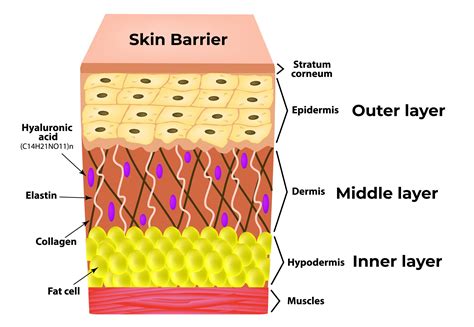
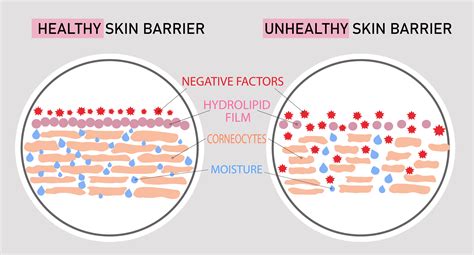
Inflammation is one of the body’s key defense mechanisms and it’s triggered when the immune system detects a harmful intruder - be it an irritant, allergens (such as fragrance or pollen), pathogens (like bacteria or viruses), or a foreign object - and attacks it to keep us healthy and well. In our skin, this process can create swelling, redness, rashes, itchiness, and damage to the skin barrier.
Skin inflammation symptoms range from mild and short-lived, such as redness, dryness, and sunburn, to chronic conditions like rosacea and psoriasis. While a small amount of inflammation is essential for protecting us in everyday life, when it becomes persistent or chronic, skin conditions like eczema, psoriasis, acne, and rosacea can occur, as well as premature aging.
You may have heard of two types of inflammation: acute and chronic. Acute inflammation is the body's immediate response to infection or injury. That's a critical wound-healing process. It's highly controlled and has a start and an end. Inflammaging is a form of chronic, low-level inflammation and is happening at all times. Some people think inflammaging only affects people with rosacea, eczema or skin conditions. However, it actually affects all of us because our ability to repair our skin slows down as we age. We're also constantly exposed to external aggressors like pollution and UV radiation, and internal aggressors, like poor sleep, stress, and high-glycemic diets. These all contribute to inflammation.
What is "Inflammaging"?
"Inflammaging is not a marketing term; it's actually a medical term that was described in literature in 2000 by an Italian scientist Claudio Franceschi," says Providence, RI dermatologist Tiffany Libby, MD. "He defined it as a chronic, low-grade inflammation that accelerates the aging process, particularly in the skin. We know inflammation affects our bodies internally and externally, but what we're finding out is that at a core level, it's also influencing how our skin ages."
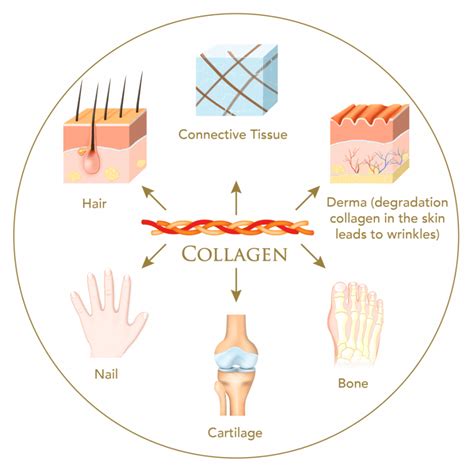
Dr. Libby explains that inflammaging increases the presence of inflammatory cytokines like IL-6 and TNF-alpha. "When these are present, they degrade collagen and elastin. They also damage our mitochondria, which are the energy powerhouses of our cells. When you damage mitochondria, it triggers the production of free radicals and reactive oxygen species." These negatively impact the appearance and function of our skin.
Systemic inflammation is a chronic, low-grade inflammatory state that affects the entire body. It is one of the key drivers of skin aging and imbalance. It’s the root cause of many common skin concerns because it accelerates the breakdown of collagen, disrupts the skin barrier, and triggers immune responses, leading to redness, sensitivity, breakouts, dullness, and fine lines.
Signs of Inflammaging on the Skin
There are five main signs of inflammaging on the skin: fine lines, dryness, dullness, uneven skin tone, and uneven skin texture. Inflammaging can also flare up existing conditions like eczema, acne, and rosacea, and it can also affect our ability to heal wounds.
Key Anti-Inflammatory Ingredients for Skincare
Many natural, plant-derived ingredients help to relieve inflammation, so look out for these when shopping for skincare products. Note: Most of the following ingredients are commonly found in natural skincare products.
Vitamins
- Vitamin A (Retinol): One of the most potent anti-aging ingredients.
- Vitamin C (Ascorbic Acid): A powerful antioxidant that protects the skin from oxidative stress, which triggers inflammation, and supports collagen synthesis, strengthening the skin.
- Vitamin E (Tocopherol): Another potent antioxidant, often paired with Vitamin C to enhance skin barrier function.
- Vitamin B3 (Niacinamide): A star ingredient for uneven, hyperpigmented, and acne-prone skin.
Lipids and Moisturizing Agents
- Ceramides: Lipids that help maintain the skin’s protective barrier.
- Squalene/Squalane: A naturally occurring compound that lubricates, hydrates, and protects the skin. Squalane is a more shelf-stable form commonly found in moisturizers.
- Hyaluronic Acid: Delivers deep hydration and helps to reinforce the skin’s natural barrier.
Antioxidants and Plant Extracts
- Green Tea: High in polyphenols, it's a common antioxidant and anti-inflammatory ingredient that protects the skin from environmental damage.
- Curcumin (from Turmeric): Shows promising anti-inflammatory properties and increases the activity of antioxidant enzymes, potentially reducing inflammatory diseases and signs of skin aging caused by low-grade inflammation.
- Licorice: A rich source of anti-inflammatory compounds like flavonoids, glycyrrhizin, and glabridin, used for centuries to soothe irritated skin.
- Centella Asiatica (Gotu Kola/Tiger Grass): Contains saponins, flavonoids, and phenolic compounds with antioxidant and anti-inflammatory properties.
- Chamomile: Contains apigenin, a compound with significant anti-inflammatory effects that helps reduce swelling, redness, and irritation, and alleviates symptoms in chronic skin conditions.
- Calendula (Marigold): Known for its hydrating, soothing, and antioxidant features, commonly found in creams and ointments.
- Witch Hazel: A gentle botanical with anti-inflammatory compounds like tannins, polyphenols, and flavonoids.
- Arnica: Its primary anti-inflammatory compounds, including sesquiterpene lactones and flavonoids, help reduce swelling, bruising, and pain.
- Olive Leaf: Contains antioxidants like oleuropein and hydroxytyrosol, which protect the skin from oxidative stress.
- Tea Tree Oil: Studied for its anti-microbial, antioxidant, and anti-inflammatory properties, particularly helpful for acne and eczema.
- Camellia Oil: Packed with antioxidants such as oleic acid, linoleic acid, and polyphenols, known for its soothing properties.
- Naringenin: A patented and powerful anti-inflammatory and antioxidant biotech molecule derived from grapefruit peel, shown to significantly reduce inflammaging.
Minerals and Other Beneficial Ingredients
- Zinc: Inhibits pro-inflammatory cytokines and is used to treat redness, eczema, acne, rosacea, and improve wound healing.
- Colloidal Oatmeal: A natural remedy for skin irritation, redness, and dry skin.
- Exosomes: Natural cellular messengers that stimulate regeneration, repair damaged cells, and enhance skin communication for healthier, more resilient skin.

Skincare Products and Treatments for Inflamed Skin
The goal with skincare is always to calm and strengthen the skin, rather than subject it to unnecessary stress. Avoid fragrances, sulphates, and other potentially irritating ingredients if they affect you. Calming inflammation is really an inside-out process, incorporating lifestyle habits - such as diet, stress management, sleep, and movement - and effective skincare to restore balance, strengthen resilience, and support long-term skin health.
Specific Product Recommendations
- Rich Eye Cream: Infused with green tea extract, squalene, and niacinamide, designed with patented TriHex Technology to remove damaged collagen and elastin and produce new, healthy skin-building proteins.
- Regenerative Skin Nectar: Uses TriHex Technology for use before or after skin rejuvenation procedures like microneedling or laser resurfacing.
- Pro-Heal Serum Advance+: Targets aging skin, effectively reducing wrinkles, blemishes, and other skin damage.
- Youth Eye Complex: A gentle formula for all skin types, infused with vitamins A and E, panthenol, and hyaluronic acid to repair, strengthen, and hydrate the sensitive skin around the eyes.
- Let’s Get Clear Facial Mask: A medical-grade mask for acne-prone skin containing hyaluronic acid, zinc, arnica, and copper.
- Retinal Serum: Designed for oily, acne-prone skin.
- Replenish: Packed with soothing, anti-inflammatory nutrients and botanicals including niacinamide, vitamin E, camellia leaf extract, olive leaf extract, grapefruit peel oil, lemon peel oil, and ginkgo biloba leaf extract.
- Skin Perfection Elixir: A dietary supplement for inflammatory skin concerns like rosacea, eczema, psoriasis, and acne.
- DEINDE Skin-Strengthening Serum: Features naringenin, a powerful anti-inflammatory and antioxidant molecule that targets critical inflammatory pathways.
- Acaderma Better With Age Revival Light Cream: A great moisturizer for oily or eczema-prone skin, containing ceramides, peptides, and an NAD+ booster.
- Epicutis Lipid Serum: Ideal for dry, stressed, or sensitive skin, it protects against collagen degradation, soothes redness, and locks in hydration.
- Nuebiome Plum Botanical Serum: Rich in antioxidants and anti-inflammatory extracts, promoting cellular renewal and making skin feel softer, smoother, and more hydrated.
- Timeline The Night Cream: Features Mitopure, a highly concentrated form of urolithin A, to strengthen the skin barrier, firm, and nourish.
- Sweet Chemistry Reparative Oil Infusion Serum: Contains regenerative peptides and a vitamin C derivative for brightening, improving barrier function, skin density, hydration, and reducing fine lines and wrinkles.
- EltaMD PM Restore Moisturizer: A nighttime cream with niacinamide, peptides, antioxidants, hyaluronic acid, and ceramides to restore skin's tone and texture.
- DefenAge 8-in-1 BioSerum: Features patented defensins to activate dormant cells for new skin creation, along with niacinamide, hyaluronic acid, antioxidants, enzymes, and soothing botanicals.
- CeraVe Hydrating Cleanser: A gentle cleanser recommended for calming inflamed skin.
- Toleriane Sensitive Moisturiser: A soothing moisturizer for sensitive and inflamed skin.
- Heliocare 360° Mineral Tolerance Fluid SPF50: A mineral sunscreen to protect irritated skin from UV damage.
- Aesop Parsley Seed Anti-Oxidant Intense Serum: A potent antioxidant serum.
- Avène A-Oxitive Antioxidant Water Cream Moisturiser: An antioxidant-rich moisturizer.
- Aveeno Face Calm and Restore Triple Oat Serum: A serum designed to calm and restore skin.
- Clarins Beauty Flash Fresh Ampoule - Vitamin C Shot: A concentrated vitamin C treatment.
- Chanel Hydra Beauty Micro Sérum Rebalancing Replenishing Hydration: A rebalancing and hydrating serum.
- Anua PDRN Hyaluronic Acid Capsule 100 Serum: A serum combining hyaluronic acid with PDRN for hydration and repair.
- Dr.Jart+ Ceramidin Cream: A cream focused on strengthening the skin barrier with ceramides.
- Medik8 Ultimate Recovery: A recovery balm for stressed skin.
- The Inkey List Exosome Hydro-Glow Complex: A serum featuring exosomes for hydration and glow.
- Medik8 C-Tetra Advanced: An advanced vitamin C serum.
- Dr Barbara Sturm Exoso-Metic Face Serum: A serum utilizing exosomes for skin rejuvenation.
The ULTIMATE Routine for Sensitive Skin | Doctorly Routines
Cosmetic Treatments
Cosmetic treatments can offer a more invasive but faster and more effective approach to improving skin health.
- Red Light Therapy: A quick, minimally invasive procedure that targets redness, inflammation, and wrinkles using low-level wavelengths of red light to penetrate the skin and induce collagen production.
- Skin Rehab: Combines face mapping with a holistic treatment to address acne by decreasing inflammation and clearing the complexion.
- Remedy Facial: Promotes healthy collagen and the skin’s immune function to help treat sensitive and inflamed skin, often combining lymphatic drainage with intraoral massage to increase circulation and remove toxic waste.
- Microneedling with PRF: Uses tiny needles to puncture the skin and apply platelet-rich fibrin, promoting skin cell renewal and increasing collagen and elastin production.
- Jet Plasma Lift: An advanced skin-tightening cosmetic treatment that uses plasma energy to stimulate collagen synthesis and calm inflammatory conditions like rosacea and eczema.
Lifestyle and Holistic Approaches
Calming inflammation is really an inside-out process, incorporating lifestyle habits - such as diet, stress management, sleep, and movement - and effective skincare to restore balance, strengthen resilience, and support long-term skin health. Beyond eating a healthy, balanced diet - prioritizing anti-inflammatory foods and avoiding those which are ultra-processed - supplements can help too.
If your skin is particularly angry and/or inflamed, the best thing to do is to reduce the amount of formulas you’re using. Keep your routine as simple as possible, with a gentle cleanser, ceramide-rich moisturizer, and mineral SPF until your skin has calmed down a bit.
We recommend using sunscreen when venturing outdoors as UV rays can cause further damage to already irritated skin cells. The benefits of anti-inflammatory skincare solutions are numerous and extend far beyond basic skin maintenance. With these solutions, inflammation that can be caused by exposure to pollutants, allergens, and changes in the environment can be minimized. The anti-inflammatory properties help to promote a balanced complexion and fight off bacteria that often cause irritation in the skin. The result is an improved overall complexion with fewer breakouts, dry patches, and other skin issues.
tags: #anti #inflammatory #products #for #skin