Excessive sweating on the face, forehead, or scalp can lead to discomfort, embarrassment, and issues like makeup smudging. Fortunately, specialized anti-sweat creams offer an effective solution for managing facial hyperhidrosis. These topical treatments are designed to reduce sweat production, control oiliness, and help maintain a fresh, dry appearance throughout the day.
Understanding Facial Hyperhidrosis
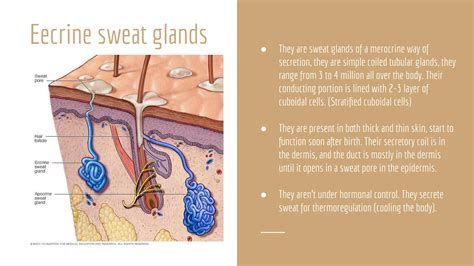
Sweating is a natural bodily process, essential for regulating body temperature. The face, particularly the forehead, is rich in sweat glands, making it prone to increased perspiration due to stress, heat, or physical exertion. When this sweating becomes excessive, it is known as facial hyperhidrosis, which can significantly impact daily life.
How Anti-Sweat Creams Work
Anti-sweat creams, also known as antiperspirants, function by creating a temporary blockage of the sweat gland ducts. The active ingredients, often aluminum-based compounds, react with sweat to form a gel-like plug. This plug sits on the surface of the skin and within the upper part of the sweat duct, reducing the amount of sweat that reaches the skin's surface. Some formulations also contain ingredients that help absorb excess oil, further contributing to a matte finish.
Key product features often include:
- Reduction of oil and sweat: Directly targets excessive perspiration and shine.
- Skin-friendly formulation: Made with ingredients that are gentle and non-irritating.
- Long-lasting effectiveness: Provides protection against sweat for extended periods.
- Lightweight texture and sweat absorbing properties: Absorbs moisture quickly without leaving a greasy residue.
Benefits of Using Anti-Sweat Cream for the Face
The benefits of incorporating an anti-sweat cream into your skincare routine are numerous:
Improved Makeup Wear
For individuals who wear makeup, excessive facial sweating can cause it to smudge, streak, or wear off prematurely. Anti-sweat creams can act as a primer, creating a smooth base and helping makeup to adhere better and last longer. This ensures a fresh and polished look throughout the day, even in warm or humid conditions.
Enhanced Comfort and Confidence
The discomfort and embarrassment associated with visible sweat and shine can significantly affect self-confidence. By controlling sweat production, these creams help users feel cleaner, drier, and more comfortable, boosting their overall confidence in social and professional settings.
Oil Control and Prevention of Skin Issues
Excess oil on the face can contribute to various skin problems, including acne breakouts and enlarged pores. Anti-sweat face blockers provide effective oil control, preventing excess sebum from causing these issues and promoting clearer skin.
Suitability for Various Conditions
These products are particularly beneficial for individuals living in warm climates, athletes, or anyone who experiences significant sweating. They offer a reliable solution for staying fresh and dry during physical activities or in hot weather.
Key Ingredients and Formulation
Effective anti-sweat creams often feature a blend of beneficial ingredients:
- Shea Butter: Known for its moisturizing and skin-conditioning properties.
- Vitamin C: An antioxidant that brightens the skin and can help with collagen production.
- Vitamin E: Another antioxidant that protects the skin and aids in repair.
- Herbal ingredients: Such as beard lichen, cloves, and sage, which can have gentle, soothing, or astringent properties.
- Aloe Vera and Dexpanthenol (Provitamin B5): These ingredients are known for their hydrating and soothing effects on the skin.
These formulations are typically designed to be skin-friendly and non-irritating, addressing the discomfort of excess sweat without causing further skin issues.
How to Use Anti-Sweat Cream for the Face
Proper application is crucial for maximizing the effectiveness of anti-sweat creams:
- Cleanse the skin: Start with a clean, dry face. Gently wash and pat your skin dry.
- Apply the lotion: Apply a small amount of the sweat-absorbing lotion to the areas of the face prone to sweating, such as the forehead, upper lip, or scalp. Massage it in thoroughly.
- Application timing: For optimal results, it is often recommended to apply these antiperspirants immediately before bedtime to dry skin. This allows the active ingredients to work effectively overnight.
- Allow absorption: Avoid sweating as much as possible in the hours following application to ensure the antiperspirant can develop its full effect.
- Frequency: The frequency of application can vary, but often it is recommended every 2 to 3 days, or as needed, once the desired level of sweat reduction is achieved.
- As a primer: The lotion can be used alone or as a primer under makeup or other skincare products.
- On-the-go touch-ups: For quick fixes during the day, gently pat the product onto target areas as needed.
Important Warnings and Precautions
As with any skincare product, it's important to be aware of the warnings:
- For external use only.
- Avoid contact with eyes, mouth, and mucous membranes. If contact occurs, rinse thoroughly with water.
- Do not use on damaged, irritated, or broken skin.
- Discontinue use if irritation or rash occurs. Consult a doctor if symptoms persist.
- Keep out of reach of children.
- Storage: Store in a dry, dark place at room temperature.
Some products may also specify not to use immediately after shaving or on areas with open wounds.
Specialized Formulations and Brands
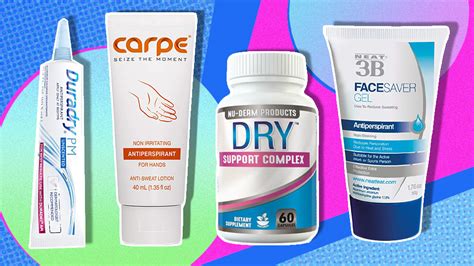
The market offers various specialized products designed for facial sweating. Brands like SweatStop® and EVERDRY® have developed ranges specifically for different body areas and levels of sweating. For sensitive facial skin, formulations like SweatStop® Aloe Vera Sensitive Antiperspirant Lotion for the Face are available, often featuring gentle ingredients and optimized pH values.
Compounded creams, tailored by compounding pharmacies based on a doctor's prescription, can also be an option. These allow for customized concentrations of active agents like glycopyrrolate, depending on the location and severity of sweating, as well as skin sensitivity. While lotions might be preferred for the scalp due to hair, creams can be effective for other facial areas.
Products are often dermatologically tested, with some, like SweatStop® Aloe Vera Sensitive Antiperspirant, receiving ratings such as "very good skin tolerance" from organizations like DERMATEST®.
When to Seek Professional Advice
While over-the-counter antiperspirants are effective for many, persistent or severe facial sweating (hyperhidrosis) may warrant consultation with a healthcare professional. Dermatologists can diagnose the cause of excessive sweating and recommend the most appropriate treatment, which might include prescription-strength antiperspirants, other topical agents, or more advanced treatments like iontophoresis, anti-sweat injections, or oral medications.