Jock itch, medically known as tinea cruris, is a common fungal infection that affects the skin of the groin, inner thighs, and sometimes the buttocks. While it is often associated with athletes due to the warm and moist conditions created during physical activity, anyone can develop this condition. The fungi responsible for jock itch are the same ones that cause athlete's foot, and the infection can easily spread from one area of the body to another.
What Causes Jock Itch?
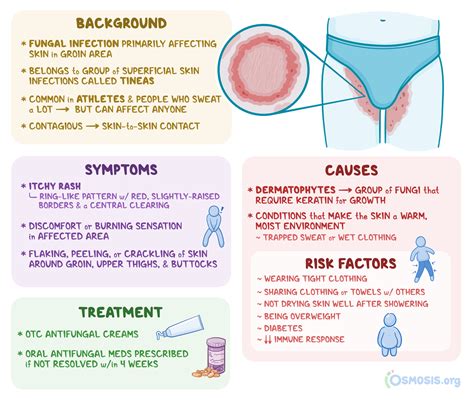
Jock itch is caused by dermatophytes, a group of fungi that thrive in warm, moist environments. These fungi feed on keratin, a protein found in the skin, hair, and nails. Several factors can contribute to the development of jock itch:
- Moisture and Warmth: The groin area, with its natural skin folds, tends to trap heat and moisture, creating an ideal breeding ground for fungi. Excessive sweating, wearing tight clothing, or prolonged exposure to dampness (like a wet bathing suit) can exacerbate this.
- Hygiene Practices: Inadequate hygiene, such as not drying the skin thoroughly after bathing or exercise, can allow fungi to proliferate.
- Contact with Infected Surfaces: The fungus can spread through direct skin-to-skin contact with an infected person or by sharing contaminated items like towels, clothing, or sports equipment.
- Spread from Other Fungal Infections: If you have athlete's foot (tinea pedis), the fungus can easily spread to the groin area, especially if you use the same towel to dry both areas or touch your feet and then your groin.
- Other Contributing Factors: Conditions like obesity, diabetes, and a weakened immune system can make individuals more susceptible to fungal infections.
The primary culprits are often species of fungi from the genera Trichophyton, Epidermophyton, and Microsporum, with Trichophyton rubrum being the most frequently identified cause worldwide.
Symptoms of Jock Itch
The hallmark symptom of jock itch is an itchy, red, and often scaly rash that typically appears in the creases of the groin, inner thighs, and may extend to the perineum and perianal region. The appearance of the rash can vary depending on natural skin tone, ranging from red, brown, purple, gray, tan, or white. Other common symptoms include:
- Intense itching and burning sensation
- Redness and inflammation
- Scaly, flaky, or peeling skin
- Small bumps or blisters
- A rash that may have a raised, well-defined border and central clearing, sometimes resembling a ring
- A distinctive musty, moldy, or sour odor, particularly in more severe cases
It is important to note that jock itch can sometimes be confused with other skin conditions like candidiasis, erythrasma, psoriasis, or seborrheic dermatitis. A doctor can help differentiate these conditions.
Can Jock Itch Go Away on Its Own?
Jock itch typically does not resolve spontaneously. If left untreated, the infection can persist and potentially spread to other areas of the body, including the nails (leading to fungal nail infections), hands, and feet (causing athlete's foot). In some cases, the color changes associated with the rash may become permanent.
Treatments for Jock Itch
Effective treatment for jock itch usually involves antifungal medications. These are available in both over-the-counter (OTC) and prescription forms.
Over-the-Counter (OTC) Treatments
OTC antifungal products are often the first line of treatment for mild to moderate cases of jock itch. These commonly contain active ingredients such as:
- Clotrimazole (e.g., Desenex, Lotrimin)
- Miconazole (e.g., Lotrimin AF Powder, Zeasorb Jock Itch)
- Tolnaftate (e.g., Lamisil AF, Tinactin)
- Terbinafine (e.g., Desenex Max, Lamisil AT Jock Itch)
These medications come in various forms, including creams, ointments, gels, sprays, and powders. Powders can be particularly useful for absorbing moisture and keeping the area dry.
Prescription Treatments
For more severe, persistent, or widespread infections, a healthcare provider may prescribe stronger topical medications or oral antifungal pills. Prescription topical options might include oxiconazole or econazole. Oral medications, which are typically reserved for difficult cases, often contain:
- Fluconazole
- Itraconazole
- Terbinafine
It is crucial to complete the entire course of medication as prescribed, even if symptoms improve, to ensure the infection is fully eradicated and to prevent recurrence.
Home Remedies and Self-Care
While not a substitute for medical treatment, certain home remedies and diligent self-care practices can aid in preventing and managing jock itch:
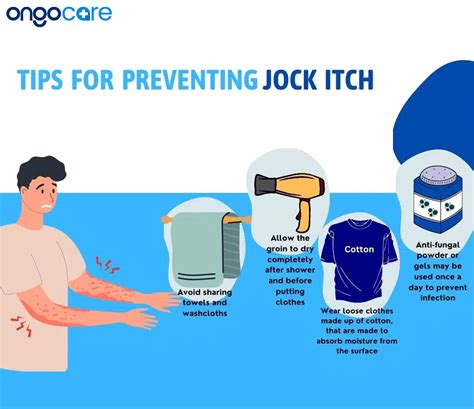
- Keep the Area Clean and Dry: Wash the groin area daily with soap and water, and pat the skin thoroughly dry, especially in skin folds. Using a hairdryer on a cool setting can help ensure complete dryness.
- Wear Loose-Fitting Clothing: Opt for breathable fabrics like cotton for underwear and clothing. Avoid tight-fitting garments that can trap moisture and cause friction.
- Use Powders: Antifungal powders or even plain talcum powder can help absorb excess moisture in the groin area.
- Avoid Scratching: Scratching can worsen irritation, spread the fungus to other body parts, and potentially lead to secondary bacterial infections. Cool compresses can help alleviate itching.
- Cleanliness of Items: Wash towels, clothing, and athletic supporters after each use. Do not share personal items like towels or clothing.
- Dietary Considerations: Some sources suggest that garlic, containing the compound ajoene, may have antifungal properties, though more research is needed.
- Essential Oils: Certain essential oils, such as tea tree, bitter orange, peppermint, and eucalyptus, are believed to have antimicrobial properties. However, they should be diluted with a carrier oil (like coconut oil) before application and may not be sufficient to clear an existing infection.
When to Seek Medical Advice
Consult a healthcare provider if:
- The rash is painful or accompanied by fever.
- OTC treatments have not improved the rash after one to two weeks.
- The rash has not completely cleared after three weeks of treatment.
- You have underlying health conditions like diabetes or a weakened immune system, as these may require more aggressive treatment.
- You suspect the rash might be something other than jock itch, as other conditions can mimic its symptoms.
A doctor can confirm the diagnosis, often through visual inspection or by performing skin scrapings for laboratory analysis, and recommend the most appropriate treatment plan.
Prevention of Jock Itch
Preventing jock itch involves maintaining good hygiene and creating an environment less hospitable to fungal growth:
- Shower or bathe daily, and always after exercise.
- Dry your skin thoroughly, especially in folds and creases.
- Wear loose-fitting, breathable clothing and underwear.
- Change underwear daily, or more often if you sweat heavily.
- Wash workout clothes and sports attire after each use.
- If you have athlete's foot, treat it promptly and take precautions to prevent spreading it to your groin (e.g., dry feet before groin, wear socks before underwear).
- Avoid sharing towels, clothing, or personal items.
Doctor explains how to RECOGNISE AND TREAT JOCK ITCH (aka Tinea Cruris or Ringworm of the groin)...
Prognosis and Complications
With appropriate treatment, jock itch typically clears up within one to eight weeks. However, recurrences are common, especially in individuals who are prone to sweating or live in humid climates. Factors contributing to recurrence or treatment failure include reinfection, misdiagnosis, drug resistance, and non-adherence to the treatment plan. Complications can include secondary bacterial infections or, rarely, Majocchiâs granuloma (a deep fungal infection) or a dermatophytid reaction (an allergic response at a distant site).
tags: #antifungal #cream #for #groin #area