Skin infections can be frustrating, especially when they keep coming back or cause constant itching and discomfort. Antifungal soaps are medicated solutions designed to tackle such issues, offering a dual action that not only stops the growth of fungi but also helps calm redness, irritation, and inflammation caused by these infections.
Understanding Antifungal Soaps
Antifungal soaps are commonly used to treat fungal skin infections and related conditions. They contain active ingredients that work by interfering with the fungus’s ability to form essential components of its cell membranes, leading to cell damage and eventual death.
How Antifungal Soaps Work
These specialised cleansers contain active ingredients that either kill fungi on contact or create an environment where they cannot thrive. They work by disrupting the fungal cell membrane, essentially making it impossible for the fungus to survive. Some ingredients prevent fungal reproduction, whilst others create an inhospitable pH environment.
Active Ingredients That Make a Difference
The most effective antifungal soaps contain proven antifungal agents. Some of the key ingredients include:
- Ketoconazole: Often considered the gold standard by dermatologists for serious fungal infections.
- Tea Tree Oil: Offers natural antifungal power and is a gentler option for sensitive skin.
- Zinc Pyrithione: Effective against both fungus and bacteria.
- Selenium Sulphide: A powerhouse ingredient, particularly for scalp and body fungal issues.
Benefits of Using Antifungal Soap
Antifungal soaps offer multiple skin health advantages, especially for individuals prone to fungal infections or conditions like dandruff.
Fighting Various Fungal Infections
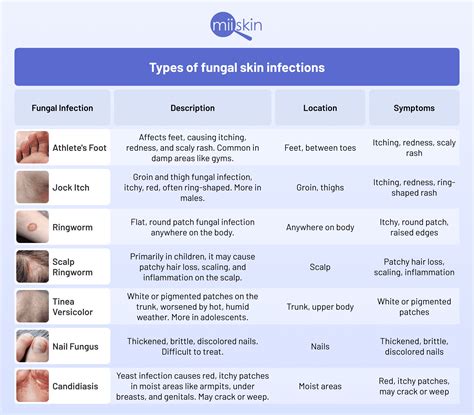
One of the primary benefits of antifungal soap is its ability to combat different types of fungal infections, such as athlete's foot, ringworm, and jock itch. These medicated soaps are also helpful for scalp-related issues like dandruff and seborrheic dermatitis, as they help control yeast growth.
Soothing Irritation and Preventing Recurrence
Beyond just controlling the infection, antifungal soaps help soothe irritation and prevent the recurrence of fungal infections. For individuals living in humid or sweaty environments where fungal infections often come back, these soaps provide a crucial layer of defence.
Supportive Care for Other Conditions
Although not their primary indication, antifungal soaps can sometimes be used as a supportive option for fungal acne and very oily skin, helping to manage the fungal component of these conditions.
Types of Antifungal Soaps
Not all antifungal soaps are created equal, and understanding the different types can help you pick the right one for your specific needs.
Medicated Body Washes
These typically contain higher concentrations of active ingredients and are formulated to spread easily and rinse clean, making them perfect for larger body areas. They are often gentler on sensitive skin compared to bar soaps.
Traditional Cleansing Bars
Antifungal cleansing bars offer convenience and often have longer-lasting, more concentrated formulas. They can be more economical for regular use and are particularly effective for targeted treatment of specific areas.
Natural Antifungal Solutions
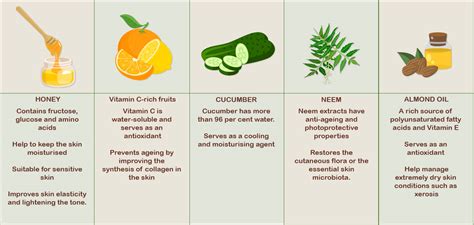
These soaps harness plant-based ingredients like tea tree oil, neem, and eucalyptus. They work well for sensitive skin or as maintenance therapy, offering effective treatment without harsh chemicals.
Specialised Foot Care Soaps
Therapeutic soaps for feet address the unique challenges of foot fungus. These formulas often include additional ingredients for tough skin and enhanced penetration, designed to handle the warm, moist environment that feet create.
Choosing the Right Antifungal Soap
Picking the right antifungal soap depends on several factors, including your skin type, the severity of any infection, and your daily routine.
Know Your Skin Type
Sensitive skin requires gentler formulations, whilst oily or thick skin can handle stronger active ingredients. If you're prone to dryness, look for soaps with added moisturisers. Those with combination skin might need different products for different body areas.
Consider the Infection Type
Different fungi respond to different treatments. Athlete's foot might need a soap with specific ingredients, whilst scalp issues require different approaches. When in doubt, a broad-spectrum antifungal offers the best coverage.
Factor in Daily Use
Some antifungal soaps are designed for daily use, whilst others are meant for short-term treatment cycles. Consider how often you plan to use the product and choose accordingly.

Dermatologist Recommended Soaps
When it comes to dermatologist-recommended soaps, certain brands and ingredients consistently receive high marks from skin experts. Medical professionals often suggest starting with milder formulations and gradually increasing strength if needed.
Clinical-Grade Ingredients
Dermatologists often recommend soaps containing ketoconazole, selenium sulphide, or zinc pyrithione due to their well-researched effectiveness. Look for products that clearly list their active ingredient concentrations.
Gentle Yet Effective Formulas
The best dermatologist-recommended soaps balance effectiveness with skin compatibility. Harsh formulations can actually worsen some conditions by causing irritation and compromising the skin barrier.
Smart Shopping Tips for Antifungal Soaps
With so many options available, knowing what to look for can save you time and money.
Read the Label Like a Pro
Check the active ingredients first to understand what the soap actually does. Look for clear concentration percentages and avoid products that rely solely on marketing claims. A good antifungal soap will be transparent about its formulation.
Consider Your Budget
Quality antimicrobial skincare doesn't always mean expensive. However, extremely cheap options might compromise on active ingredients. Look for products that offer good value rather than just low prices.
Trial Options Make Sense
Given that skin reactions can be unpredictable, trying products before committing to full sizes is a smart approach. Platforms like Smytten offer curated trial packs, allowing you to test different antifungal soap options without significant financial risk.
Proper Usage for Maximum Results
Having the right antifungal soap is only half the battle; using it correctly ensures you get the maximum benefit and avoid potential side effects.
Lather and Leave On
Work your antifungal bath soap into a rich lather and let it sit on the affected area for at least 30 seconds before rinsing. This contact time allows the active ingredients to work effectively. Don't rush the process.
Frequency Guidelines
Most medicated body wash products work best with consistent daily use. However, some stronger formulations might recommend every other day initially. Always follow the product instructions and adjust based on your skin's response.
Washing Skin with Fungal Infections: A Step-by-Step Guide
Fungal infections on the skin can be tough to treat, and knowing the right way to wash the affected skin is key to helping it heal and stopping the infection from spreading.
Proper Hygiene is Crucial
Good hygiene is vital because it affects where the fungus grows. Fungi thrive in moist, warm places. By keeping the area clean and dry, you make it harder for the fungus to grow and prevent the infection from spreading.
The Washing Process
- Prepare the area: Use lukewarm water, as hot or cold water can irritate the skin. Have a clean, soft cloth or sponge ready.
- Cleanse gently: Use an antifungal soap that suits your type of fungal infection. Clean the skin gently.
- Rinse thoroughly: Make sure to rinse the soap off well with lukewarm water.
- Dry properly: Drying the area properly after washing is key to stop moisture buildup. For hard-to-dry spots, a cool setting on a hair dryer can help.
Choosing the Right Cleaning Products
When you have a fungal infection, picking the right cleaning products is essential. It's wise to use antifungal soaps and body washes with ingredients that fight fungal infections. Look for a cleanser with the right mix of antifungal and skin-friendly ingredients.
Post-Wash Care and Prevention
Post-wash care is key to managing fungal skin infections and preventing future occurrences.
Moisturizing and Applying Creams
Moisturizing is vital for post-wash care, as it soothes and hydrates the skin. Choose moisturizers that are non-comedogenic and fragrance-free to avoid irritation. Applying antifungal creams after washing and drying the affected area is generally recommended to maximize their effectiveness.
Preventing Cross-Contamination
Fungal infections can spread quickly if not handled right. Wash your hands well before and after touching the infected area. Do not share personal items like towels, razors, or clothes that touch the infected skin. Wash clothing and towels in hot water to kill fungi and bacteria.
Lifestyle Changes for Prevention
Making some lifestyle changes can help prevent fungal infections. Eating foods full of antioxidants, vitamins, and minerals boosts your immune system. Foods with antifungal properties, like garlic and ginger, can also help. Drinking plenty of water is important. Keeping your skin dry, wearing breathable clothing, and changing into dry clothes quickly also contribute to prevention.
When to Seek Medical Help
While many fungal infections can be treated at home, some symptoms indicate the need to see a doctor. If you experience severe symptoms, such as intense itching, redness, or swelling, or if the infection doesn’t respond to over-the-counter treatments, seek medical advice from a dermatologist. Dermatologists can provide various treatment options, including prescription antifungal creams, oral medications, or other therapies.
Frequently Asked Questions
Which soap is best for antifungal infections?
The best antifungal soap depends on your specific infection type and skin sensitivity. Ketoconazole-based soaps are highly effective for most fungal infections, whilst tea tree oil options work well for those preferring natural ingredients. Consult a dermatologist for persistent or severe infections.
Can I use antifungal soap daily?
Most antifungal soaps are safe for daily use, especially those formulated for maintenance therapy. However, stronger medicated versions might require less frequent application. Start with the recommended usage and adjust based on your skin's tolerance.
What is the strongest natural antifungal for skin?
Tea tree oil is widely considered the most potent natural antifungal ingredient. When properly diluted in soap formulations, it effectively fights various fungal infections whilst being gentler than synthetic alternatives.
Is Lifebuoy soap antifungal?
Standard Lifebuoy soap has antibacterial properties but isn't specifically formulated as an antifungal soap. Some variants containing neem or other plant extracts may have mild antifungal effects, but dedicated antifungal products are more effective for treating infections.
What are the benefits of using antifungal soap for private parts?
Using gentle antifungal soap in intimate areas can help prevent yeast infections and maintain a healthy pH balance. However, choose products specifically formulated for sensitive areas and avoid harsh ingredients that might disrupt the natural flora.
tags: #antifungal #soap #for #skin