The Aquaphor brand, first introduced in the United States in 1925, has a long history of providing skin care solutions. Trademarked in the same year by Herman A. Metz, the company's president, Aquaphor's initial product offering in 1936 was sold in large 5 lb. containers to medical professionals and institutions. Production was temporarily halted during World War II but was later resumed by Duke Laboratories in 1960. A significant milestone occurred in 1982 when the product became available directly to consumers for the first time. The formulation was further developed in 1991 with the introduction of "Advanced Therapy Healing Ointment," an addition to the original product. Beiersdorf expanded the brand considerably in the early 2000s, launching a line of baby products in 2003 and a lip repair range in 2011. By 2012, Aquaphor had achieved global recognition, launching in 25 other countries.

Key Ingredients and Their Functions
Aquaphor Healing Ointment is formulated with a blend of key ingredients designed to protect and nourish the skin. Unlike Vaseline, which is 100% petrolatum and purely occlusive, Aquaphor utilizes approximately 41% petrolatum and claims to form a semi-occlusive barrier on the skin. This barrier helps to trap moisture and protect the skin while still allowing it to breathe to some extent.
Petrolatum
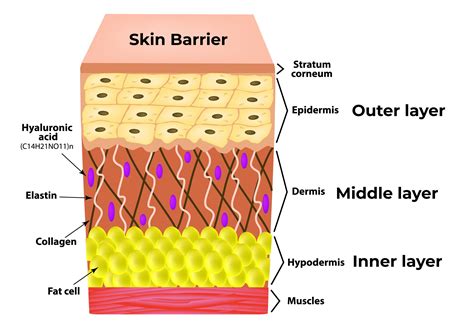
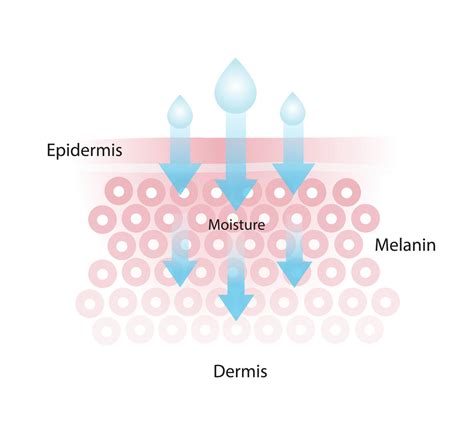
The main active ingredient in most Aquaphor products is petrolatum, also known as petroleum jelly. It functions as a skin protectant by creating a barrier on the skin's surface. This barrier effectively traps moisture, preventing its evaporation and thereby combating dry skin. Petrolatum is highly occlusive, meaning it is extremely effective at hindering transepidermal water loss (TEWL). While this is beneficial for healing cracked lips or severely dry skin patches, excessive reduction of TEWL (over 40%) can potentially create an environment conducive to fungal and bacterial growth. Cosmetic-grade USP petrolatum is considered safe, as it does not absorb into the skin and poses minimal health risks.
Lanolin Alcohol
Lanolin alcohol, a subfraction derived from lanolin (wool wax), contributes emulsifying and emollient properties to Aquaphor products. Lanolin has been utilized in skincare for a long time due to its effectiveness as an occlusive agent, helping to lock in moisture and prevent water loss. It is commonly found in body creams and lotions for this purpose. However, some individuals may experience allergic reactions to lanolin, which can manifest as mild allergic contact dermatitis, presenting as scaly patches, red itchy bumps, or even swelling of the lips and face in more severe cases. For those with a lanolin allergy, alternative occlusive ingredients like petrolatum, mineral oil, beeswax, coconut oil, shea butter, or cocoa butter are available.
Glycerin
Glycerin is a well-known humectant, meaning it attracts and binds moisture within the stratum corneum, thus promoting skin hydration. It is a common moisturizing agent found in a wide range of lotions, creams, and cosmetics. Glycerin helps to keep the skin moisturized from the outside in. Studies have shown that glycerol can accelerate the recovery of the skin's barrier function and enhance hydration, even under reduced hydration conditions.
Panthenol
Also known as Pro-Vitamin B5, panthenol is a beneficial ingredient that moisturizes the skin by acting as a humectant, attracting and retaining water. Beyond its moisturizing capabilities, panthenol possesses anti-inflammatory and skin-protecting properties. Research indicates that it can help reduce irritation caused by other ingredients. Panthenol is also beneficial for nail and hair care, providing hydration benefits. It is recognized for its wound healing properties.
Mineral Oil
Mineral oil, a clear oily liquid obtained from refining crude oil, functions as an emollient and moisturizer primarily through occlusivity. It sits on the skin's surface, hindering trans-epidermal water loss. Studies comparing mineral oil to plant oils like extra virgin coconut oil have found them to be equally efficient and safe moisturizers for xerosis (very dry skin). Mineral oil is also known for its non-irritating properties, making it a suitable ingredient for sensitive and allergy-prone skin. Despite some controversy surrounding its origin, mineral oil is generally considered safe and non-comedogenic for cosmetic use.
Ceresin
Ceresin is a hydrocarbon wax produced through the purification of ozokerite, another hydrocarbon wax. While its specific function in Aquaphor is not detailed in the provided text, it is commonly used in cosmetic formulations as a thickener or emollient.
Bisabolol
Bisabolol, an active component of chamomile, possesses antioxidant, soothing, and anti-irritant properties. It can help to calm the skin and reduce inflammation, contributing to the overall comfort and healing of the skin.
Aquaphor vs. Vaseline: A Comparison
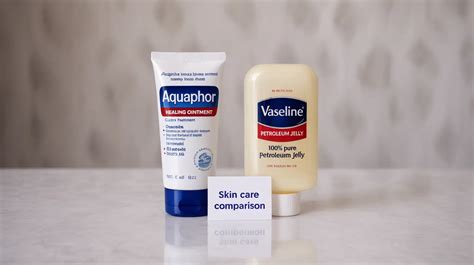
While both Aquaphor and Vaseline are popular petroleum jelly-based products with similar uses, they are not identical. Vaseline consists of 100% petroleum jelly, making it a purely occlusive agent. Aquaphor, on the other hand, contains approximately 41% petrolatum along with a combination of other ingredients, including mineral oil, ceresin, lanolin alcohol, panthenol, glycerin, and bisabolol. This unique formulation allows Aquaphor to offer both occlusive and humectant benefits.
Moisturization and Skin Barrier Function
Aquaphor is often considered a better moisturizer due to the presence of glycerin, a humectant that draws moisture into the skin, and lanolin alcohol, which provides additional occlusive properties. While Vaseline excels at preventing moisture loss by forming a barrier, Aquaphor's blend of ingredients aims to both prevent water loss and attract external moisture.
Wound Healing and Skin Protection
Both products can effectively create a barrier to protect injured skin from irritants and aid in wound healing. In a survey of dermatologists regarding post-operative wound care recommendations, Vaseline was recommended by 75% of surveyed doctors, while Aquaphor was recommended by 43%. Both can be applied directly to wounds or to bandages covering them.
Specific Uses and Considerations
- Lips: Vaseline may be preferred for preventing dry or chapped lips, especially formulations with added moisturizing ingredients.
- Burns: Both can be used for burns, but caution is advised in the first 24 hours to avoid trapping excess heat.
- Diaper Rash: Some Aquaphor products are specifically formulated for diaper rash and may contain zinc oxide for added protection against irritants and wetness.
- Itchiness: Certain Aquaphor products designed for itchiness contain hydrocortisone to reduce inflammation.
Product Range and Safety
Aquaphor offers a diverse range of products for adults, children, and babies, addressing various skin concerns such as severe dryness, chapped lips, cracked hands and feet, minor cuts, burns, and other irritations. Products are generally preservative- and fragrance-free, prioritizing gentleness and skin well-being.
Potential Side Effects and Allergic Reactions
While Aquaphor products are generally well-tolerated, potential side effects can occur depending on the specific ingredients. These may include localized skin reactions like redness, irritation, stinging, or burning at the application site. Allergic reactions, though rare, can be serious. Signs of a severe allergic reaction include breathing difficulties, racing heart, fever, swelling of the face or throat, trouble swallowing, skin rash, nausea, vomiting, or dizziness. Individuals with a known allergy to lanolin should avoid Aquaphor products containing it. Vaseline, being 100% petroleum jelly, is generally safe even for those with lanolin allergies.
Important Usage Guidelines
- Aquaphor products are intended for external use only. Avoid contact with the eyes.
- Most Aquaphor products should not be used on animal bites, deep wounds, puncture wounds, or serious burns. Always read the product label for specific instructions.
- Discontinue use if your condition worsens, symptoms persist for more than seven days, or if symptoms clear up and then return.
- Be aware that side effects, warnings, and interactions can vary based on the specific product's ingredients. Always check the label and consult a healthcare professional if needed.
Aquaphor Under Eyes SECRET | 3 Best Ways to Use Aquaphor Stick
tags: #aquaphor #main #ingredient