Rosacea is a common skin condition that typically affects the face, including the forehead, nose, cheeks, and chin, causing redness, visible blood vessels, and bumps and pimples. Triggers that can worsen rosacea symptoms include sun exposure, stress, hot or spicy foods and beverages, alcohol, and certain skincare products.
Rosacea affects the skin in several ways, including persistent redness, visible blood vessels, pimples and bumps similar to acne, and, in some cases, thickened skin. As these issues particularly occur on the face, rosacea can impact self-esteem and quality of life.
Treatment for rosacea tends to involve a combination of medications and lifestyle changes. Topical or oral antibiotics, anti-inflammatory drugs, and topical creams may be prescribed to help reduce inflammation and improve symptoms. In addition, avoiding triggers that worsen rosacea symptoms, protecting the skin from sun exposure, and using gentle skincare products can also help. It is always recommended to consult your doctor or dermatologist for an accurate diagnosis and to develop an appropriate treatment plan.
Why Bee-Derived Ingredients May Help Your Rosacea
Skincare products centered around the healing properties of key ingredients produced by bees, such as honey, propolis, and beeswax, can be a soothing option for rosacea sufferers.
Honey's Role in Skin Health
Honey has been used for centuries for its medicinal properties and offers many benefits for the skin. Firstly, it’s a natural humectant, which means it helps retain water in the skin, making it very moisturizing. It’s also antibacterial, helping to soothe and heal skin, and rich in antioxidants that protect the skin from damage caused by free radicals. Free radicals are molecules that can damage skin cells.
With natural enzymes, honey also helps to gently exfoliate the skin, removing dead skin cells and revealing a brighter, smoother complexion. Honey has been shown in tests to have wound-healing properties and can help to soothe and heal minor skin irritations and burns. And with its anti-inflammatory properties, it can help to reduce redness and inflammation in the skin.
The Benefits of Propolis
Propolis also has anti-inflammatory properties that can help reduce redness and inflammation in the skin and can help treat conditions such as acne, eczema, and rosacea. Rich in antioxidants that protect the skin from damage caused by free radicals and with antibacterial properties, it can help to prevent and treat acne and soothe and heal minor cuts and wounds.
Propolis has been shown to promote the growth and regeneration of skin cells, helping to speed up the healing process of damaged skin, including sunburns and scars.
Understanding Beeswax for Skin
Beeswax is a natural substance produced by honeybees to build their honeycombs. It’s a versatile ingredient widely used in skincare due to its protective, hydrating, and healing properties.
Beeswax forms a natural barrier on the skin, helping to lock in moisture without clogging pores. Beeswax offers numerous benefits for the skin, making it a key ingredient in many skincare products such as balms, creams, and lotions. It acts as a natural humectant, drawing moisture into the skin while providing a protective barrier against environmental pollutants. Beeswax is packed with nourishing properties that can help to hydrate, protect, and heal the skin.
Key Benefits of Beeswax for Skin
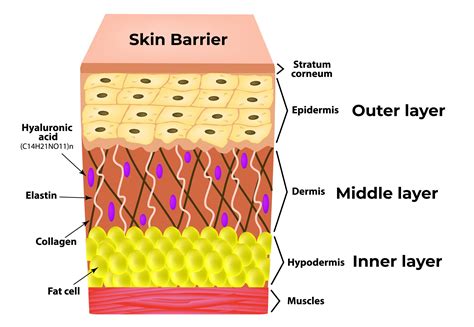
- Occlusive Agent: Beeswax acts as an effective occlusive agent, forming a protective barrier on the skin’s surface. This barrier helps to prevent transepidermal water loss (TEWL), keeping the skin hydrated and soft.
- Anti-inflammatory Properties: With its natural anti-inflammatory properties, beeswax helps to calm the redness, itching, and irritation associated with various skin conditions.
- Antibacterial Properties: Beeswax has antibacterial properties that can help to prevent infections and promote the healing of minor wounds, cuts, and burns.
- Environmental Protection: By forming a protective barrier, beeswax can help to shield the skin from environmental stressors, pollutants, and harsh weather conditions.
- Acne Management: Beeswax contains antibacterial properties that help combat acne-causing bacteria, while its anti-inflammatory effects reduce redness, swelling, and irritation associated with breakouts.
- Skin Regeneration: Rich in vitamin A and antioxidants, beeswax supports skin cell regeneration and promotes collagen production.
Skin Types That Benefit from Beeswax
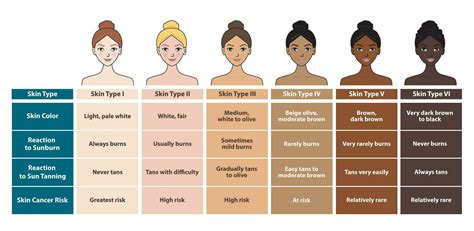
Beeswax is suitable for most skin types, particularly those with dry, sensitive, or acne-prone skin. It provides deep hydration without being greasy, making it ideal for people struggling with dryness or chapped skin. Beeswax is generally well-tolerated by most skin types.
Incorporating Beeswax into Your Skincare Routine
Beeswax can be incorporated into your skincare routine in many ways, depending on your skin needs.
- Moisturizing: Beeswax is an excellent natural moisturizer that helps to prevent dryness and chapping. Look for lotions, balms, or salves that contain beeswax to help maintain soft and hydrated skin.
- Eczema-Prone Skin: For eczema-prone skin, beeswax-based creams and balms help soothe inflammation and provide lasting hydration.
- Acne: Beeswax can help to manage acne by reducing inflammation and fighting bacteria.
- Anti-Aging: To combat fine lines and wrinkles, use a beeswax-rich moisturizer or night cream.
Beeswax vs. Petroleum Jelly
Beeswax is a natural alternative to petroleum jelly, offering similar occlusive and moisturizing benefits but without synthetic ingredients. While petroleum jelly forms a completely impermeable barrier, beeswax allows the skin to breathe while still providing protection against moisture loss and environmental stressors.
Beeswax and Rosacea: A Closer Look
While skincare products cannot treat rosacea, the properties of natural ingredients from bees can help to soothe the skin and are less likely to cause irritation and skin complaints.
Beeswax may be effective for rosacea, but there are many other factors that may affect whether this ingredient would work on your skin or if there are better ingredients that may work for you. Beeswax can help the skin attract and retain moisture and is often used in skincare products and cosmetics.
A 2018 study found that natural products, such as beeswax, were far superior in managing sensitive skin compared with skincare products with synthetic ingredients. Natural products minimized the chances of skin irritation while still providing soothing benefits.
A 2020 review notes the following benefits of beeswax when used in skin care: softens and lubricates skin, prevents water loss, has antiseptic properties which may help protect the skin from pathogenic microorganisms, provides a protective barrier to the skin, and provides vitamin A, which helps skin regenerate sooner after damage.
Is Beeswax Safe for Sensitive Skin?
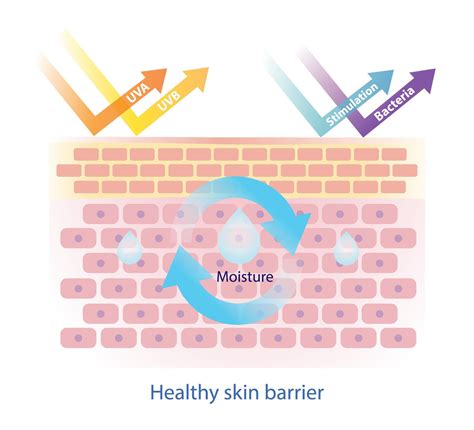
Yes, beeswax is gentle and well-tolerated by most skin types, including sensitive skin. Its natural anti-inflammatory and soothing properties make it beneficial for those prone to irritation, redness, or conditions like eczema and rosacea.
Does Beeswax Clog Pores?
No, beeswax is non-comedogenic, meaning it doesn’t clog pores. Unlike heavier occlusive agents, beeswax forms a breathable barrier on the skin, locking in moisture while allowing the skin to function naturally.
How Does Beeswax Benefit Dry or Dehydrated Skin?
Beeswax is an excellent natural moisturizer for dry or dehydrated skin. It forms a protective layer that helps to lock in moisture and prevent transepidermal water loss. Unlike synthetic occlusive agents, beeswax still allows the skin to breathe while providing long-lasting hydration.
Can Beeswax Help with Anti-Aging?
Yes, beeswax contains vitamin A, a key nutrient that supports skin regeneration and cell turnover. Its antioxidant properties help protect the skin from free radical damage, which contributes to premature aging.
Is Beeswax Safe to Use Around the Eyes?
Yes, beeswax is often used in eye creams, balms, and natural mascaras due to its gentle and nourishing nature. It helps to protect the delicate skin around the eyes while preventing moisture loss.
Can Beeswax Be Used for Eczema or Psoriasis?
Yes, beeswax is frequently used in balms and creams designed to soothe eczema and psoriasis. Its anti-inflammatory and protective properties help calm irritation, reduce itching, and provide deep hydration to the skin.
Can Beeswax Be Used on Babies' Skin?
Yes, beeswax is a common ingredient in natural baby skincare products, including nappy creams and lotions. Its mild, hypoallergenic nature makes it safe for delicate baby skin, helping to soothe irritation and prevent moisture loss.
Customer Testimonials
Many individuals have found relief and improvement in their rosacea symptoms by using skincare products containing natural bee-derived ingredients.
Gabriella shared, "I suffer from mild rosacea and I am always slightly nervous of trying new products out, but I can honestly say this cleanser has helped clear my skin. I have had no reaction and I have noticed that if I do get any spots they quickly go. My redness is also under control. I am very pleased."
Joan reported, "I have been using the cleanser and moisturiser for over a month now and am very pleased with the result. In the past year I have had acne rosacea and perioral dermatitis and have had problems finding a good product. Have now."
Another customer mentioned, "Perfect Fuss Free Daily Moisturiser - I've been using this moisturiser since May and have found it has really helped to calm down my Rosacea breakouts after having tried a million other creams on the market! I find its texture really moisturising and soothing and I don't get that automatic red flush… creating the perfect base to apply my make-up or spf cream."
DIY Beeswax Skincare Recipes
Beeswax can be a key ingredient in homemade skincare. Here are a couple of simple recipes:
DIY Beeswax Lip Balm
Directions:
- Place 2 tablespoons of beeswax pellets, 2 tablespoons of shea butter, and 2 tablespoons of coconut oil into a heatproof bowl over a pot of water or into a double boiler.
- Heat the water over low to medium heat to melt the ingredients.
- Keep ingredients over the heat as you add the oil to your desired fragrance preference. Then turn off the heat.
- Crease one edge of the paper cup to create a small beak to pour the liquid out of.
- Before the mixture has the chance to harden, carefully fill the cup and use this to distribute the mixture into empty lip balm tubs.
- After the mixture has had several hours to harden and cool at room temperature, cap the containers with their covers.
- Be sure to use natural, food-grade peppermint oil that you can typically find in the baking section at a grocery store. Peppermint essential oil is not the same thing.
DIY Beeswax Lotion Bar
Directions:
- Combine 7 tablespoons of olive oil and 4 tablespoons of yellow beeswax into a microwave-safe container.
- Microwave in 30-second bursts until completely melted. Remove the bowl carefully from the microwave as it may be very hot.
- Add in 7 tablespoons of shea butter. Stir.
- Add in 1-3 drops of honey fragrance oil. Stir to mix in.
- Prepare 6 silicone molds and carefully pour the mixture into each.
- Allow the mixture to cool and harden for several hours or overnight, if necessary.
- Once hard, be sure to store lotion bars in a cool, dry place to prevent melting.
I DUPED Burt's Bees! | DIY Peppermint Beeswax Lip Balm
Important Considerations
Allergies and Patch Testing
Before using beeswax on your skin, it's advisable to perform a patch test. Apply a small amount of beeswax to your inner wrist or elbow and leave it for 24-48 hours. If you experience any adverse reactions such as skin swelling, redness, itchiness, rash, or a burning sensation, discontinue use as you may have an allergy.
Removing Beeswax from Skin
It is important to thoroughly remove beeswax or any products containing beeswax from your skin to allow it to breathe. Since beeswax does not dissolve in water, an oil-based cleanser may be necessary for complete removal, especially from the face or body.
Sustainable Sourcing
It is important to ensure that the beeswax you use has been harvested sustainably. Over-harvesting can negatively impact bee populations, which in turn can harm environmental cycles.