A chemical peel, also known as chemexfoliation or dermapeeling, is a cosmetic procedure that uses a chemical solution to improve the appearance and texture of the skin. The chemical solution is applied to the skin, causing controlled trauma to its layers. As the damaged skin peels off, it reveals more youthful, smoother skin with fewer lines and wrinkles, a more even complexion, and a brighter appearance.
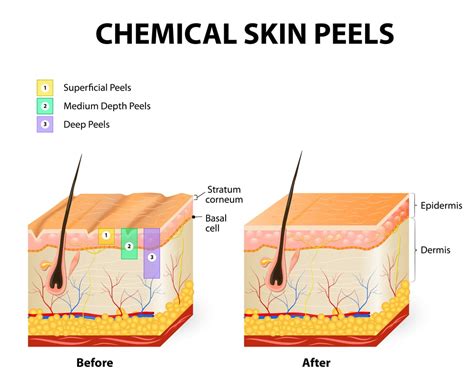
What Conditions Can Chemical Peels Treat?
Chemical peels are versatile treatments used to address a variety of skin conditions and enhance overall appearance by improving skin tone and texture. While most commonly performed on the face, neck, and hands, they can effectively treat:
- Fine lines and wrinkles, particularly those caused by sun damage, aging, and hereditary factors, often appearing under the eyes or around the mouth.
- Certain types of acne.
- Mild scarring.
- Sun spots, age spots, liver spots, freckles, and other forms of uneven skin coloring.
- Precancerous, scaly spots known as actinic keratosis.
- Rough skin, scaly patches, and dull complexion.
- Dark patches, such as melasma, which can occur during pregnancy or due to the use of birth control pills.
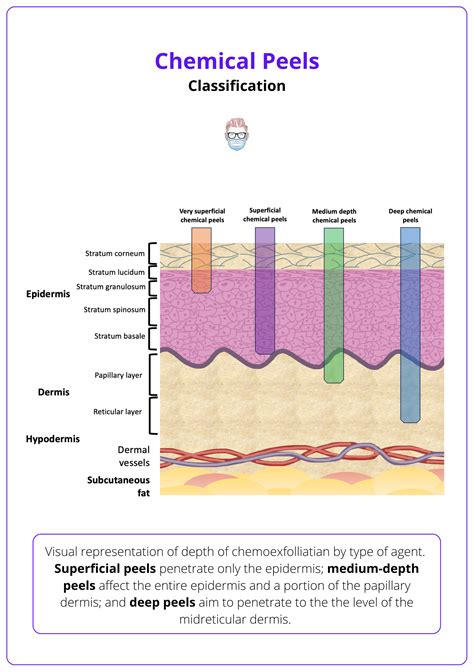
The depth of the peel is a crucial factor and is determined in consultation with a dermatologist, based on the skin's condition and treatment objectives. However, it's important to note that chemical peels are not ideal for addressing concerns like sags, bulges, deep scars, severe facial lines, or deep wrinkles. For these issues, other cosmetic surgical procedures such as carbon dioxide laser resurfacing, a facelift, brow lift, eye lift, or soft tissue fillers may be more suitable options.
Is a Chemical Peel Suitable for All Skin Types?
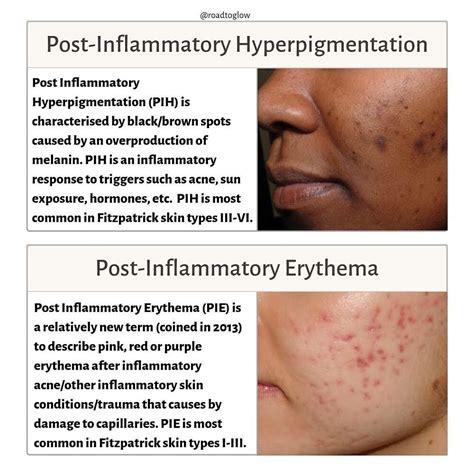
Generally, superficial peels can be used on all skin types. However, individuals with darker skin tones have a higher risk of experiencing post-treatment skin darkening, a condition known as post-inflammatory hyperpigmentation (PIH). This underscores the importance of choosing the right peel and provider, especially for melanin-rich complexions.
Key Considerations for Chemical Peels:
- Sessions: Typically 1-5 sessions are needed for optimal results.
- Recovery Time: Ranges from 0-8 days.
- Procedure Time: Approximately 10-30 minutes.
- Specialist: Performed by Nurses or Dermatologists like Davin Lim.
- Duration of Results: 2-5 years.
- Anesthetic: Usually not required, or minimal sedation.
- Back to Work: Variable, depending on peel depth.
- Cost: Ranges from $-$$$.
Chemical Peels for Sunspots and Sun Damage
For treating sunspots and related pigmentation issues, certain types of chemical peels are particularly effective. Traditional peels like TCA (Trichloroacetic Acid) and Jessner peels have a high clearance rate for solar keratosis, sun-induced pigmentation, freckles, and age spots. AHA (Alpha Hydroxy Acid) peels, including glycolic acid, are also excellent options that address both pigmentation and precancerous changes.
Facts on Chemical Peels for Sunspots:
- Chemical peels are an excellent option for both treating sunspots and preventing actinic keratosis.
- The peeling agent can be customized according to the depth, location, and expected downtime.
- AHA peels, such as glycolic and lactic acid, are classified as superficial peels with no downtime.
- Jessner TCA peels are medium-depth chemical peels with a recovery period of 6-9 days.
- Peels can be combined with CO2 lasers for enhanced results.
Types of Peels for Sunspots:
Specialist peels differ primarily in their depth and concentration. For instance, a Jessner TCA peel protocol might involve a downtime of 6-9 days. Retinoic acid peels can be significantly stronger than over-the-counter retinol, while glycolic acid peels are typically used at a maximum concentration of 70%.
Jessner TCA peeling is often favored for its ability to deliver significant results after one session, despite an 8-day recovery period. When compared to topical treatments like Efudix, Aldara, and Photodynamic Therapy (PDT), medium to deep peels can be equally or more effective. Peels offer the advantage of treating sunspots, precancerous conditions, superficial skin cancers, and cosmetic concerns like pigmentation and wrinkles simultaneously.
Best Peel for Sun Damage:
Medium to deep peels are generally considered best for sun damage, although they come with a longer recovery time, ranging from 7 to 14 days. While both chemical peels and lasers can yield excellent results for sun damage, high-density Fraxel or LaseMD lasers may be more cost-effective with faster skin recovery. For example, one laser treatment might cost around $1290 with approximately 5 days of recovery, whereas a deep Jessner-TCA peel could cost double that.
Lasers like high-density thulium are highly effective for sunspot removal. Combination treatments, where lasers are used to enhance the delivery of topicals like retinoids or PDT, often yield superior results.
Chemical Peels with Least Downtime:
AHA peels, including lactic, mandelic, citric, and glycolic acid peels, are often referred to as "lunchtime peels" because they typically involve no downtime. However, the skin needs to gradually build tolerance to these peels.
Specific Types of Chemical Peels
Retinoic Acid Peels
These peels are highly favored for their controlled downtime, which can be managed through laser delivery, pre-treatment, and concentration. Retinoic acid concentrations used in these peels are several hundred times stronger than over-the-counter retinol.
- Concentration: Most common is 1-7%.
- Indications: Solar keratosis, wrinkles, and pigmentation.
- Downtime: 2-9+ days.
- Cost: From $98.
Retinoic acid peels are effective in reducing sun damage, pigmentation, and wrinkles.
Jessner TCA Peels
This peel is highly regarded for its efficacy in treating pigmentation, pigmented solar keratosis (which PDT cannot address), and wrinkles.
- Composition: A mixture of lactic acid, salicylic acid, trichloroacetic acid, and resorcinol.
- Indications: Solar keratosis, wrinkles, and pigmentation.
- Downtime: Over a week.
- Cost: From $2990 (when performed by Davin Lim).
Spot Peels
These are typically TCA peels, ranging from 35% to 70% concentration, applied using a cotton tip applicator. Phenol croton oil can also be delivered similarly. While considered an older method, spot peels are effective for isolated solar keratosis and can serve as an alternative to cryotherapy. A potential side effect of spot peels is hypopigmentation (white spots).
Peels vs. Other Treatments (Efudix, Aldara, PDT)
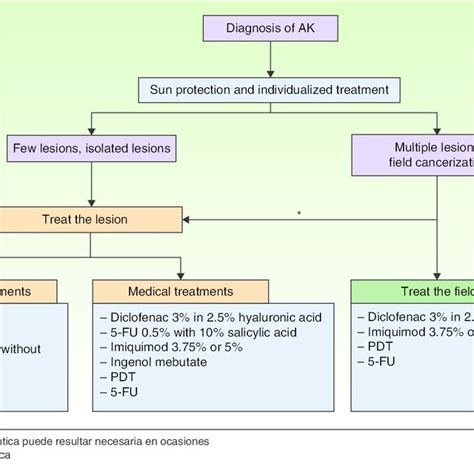
The choice between chemical peels and other treatments like Efudix, Aldara, and PDT depends on the specific peeling agent, its concentration, and the number of layers applied. Medium to deep peels can be as effective as or more effective than topical treatments. Peels offer the advantage of addressing cosmetic concerns alongside precancerous and superficial skin cancers.
When to Use Peels Over Efudix, Aldara & PDT:
- Peels provide skin rejuvenation along with the ability to treat dysplastic or precancerous sunspots, including solar keratosis and superficial skin cancers.
- PDT is not effective for brown or pigmented solar keratosis as pigment interferes with ALA illumination.
- If cost is a concern, Efudix is an economical option, though it can be harsh. AHA peels are also cost-effective at around $98.
- Aldara is an option for solar keratosis but requires a treatment course of about 16 weeks. Solaraze is generally considered less effective than salicylic acid creams and sunscreen.
Can Peels Accelerate Efudix Treatment?
Yes, peels can potentially accelerate Efudix treatment by priming the skin. For example, using AHA or glycolic acid peels (either as a single treatment or a series) can reduce the load of dysplastic cells, thereby decreasing inflammation associated with 5FU (Efudix). Spot treatment with high-strength salicylic acid (10-20%) can also help reduce hyperkeratosis and hyperkeratotic lesions. It is advisable to consult with a dermatologist for guidance.
Will Every Sunspot Be Treated with Chemical Peels?
No single field treatment, including Efudix, Aldara, Solaraze, TCA peels, PDT, or laser resurfacing, guarantees 100% clearance of all sunspots. Residual solar keratosis can range from 10% to 70%, depending on the treatment and individual response. Any remaining spots can be managed with topicals or spot treatments. In some cases, a biopsy may be necessary to rule out underlying sinister cancers.
Meaning of Combination Field Treatments for Sun Spots:
Current literature supports the use of combination therapy for sunspots. An example includes applying Aldara or Efudex post-Jessner TCA peel, or using Aldara twice weekly for 12 weeks to treat isolated solar keratosis, starting four weeks after the peel. Efudix can be used similarly.
Who Are Not Candidates for Chemical Peels?
Individuals with olive skin or darker complexions may not be good candidates for TCA peels. Additionally, anyone with fair skin who struggles with consistent sun protection is generally not a good candidate for any type of peeling treatment.
Risks of Chemical Peels
All procedures carry inherent risks. For medium-depth peels, the primary risks include infection and post-inflammatory hyperpigmentation. Individuals with a history of cold sores may need to take antiviral medication during the healing period (typically 4 to 8 days).
Chemical Peels for Dark Skin Tones
Chemical peels can be safe and effective for dark skin tones when chosen and applied with extreme care. The wrong peel, strength, or an inexperienced provider can lead to complications such as scarring or PIH. It is crucial to select peels that are superficial, controlled in strength, non-irritating, formulated with gentle acids, and performed by experts in treating skin of color.
Darker skin has more active melanocytes, making it more responsive to inflammation. Even mild irritation can trigger dark spots, light spots, or uneven tone if the peel is not appropriate. Therefore, Black patients often benefit most from consulting a Black dermatologist or a provider specializing in ethnic skin.
Safest and Most Effective Chemical Peels for Dark, Black, and Brown Skin:
- Glycolic Acid Peel (20%â30%): An AHA derived from sugarcane, it is safe for dark skin when used at appropriate strengths. It gently breaks down old skin cells, improves radiance, and helps fade hyperpigmentation. Best for dullness, fine lines, uneven texture, and mild dark spots.
- Lactic Acid Peel: One of the gentlest AHAs, ideal for sensitive or reactive skin. It is hydrating, brightening, non-irritating, and safe for all Fitzpatrick skin types. Best for sensitive skin, early signs of pigmentation, dryness, or dull complexion.
- Mandelic Acid Peel: Known for its safety on darker skin due to its large molecular size, which slows penetration and reduces irritation. It helps reduce acne, calm inflammation, and brighten discoloration. Best for acne, PIH, and textural irregularities.
- Salicylic Acid Peel (BHA): A beta hydroxy acid that penetrates deeply into pores, making it ideal for oily or acne-prone Black skin. It treats acne, reduces oil, helps fade dark spots from breakouts, and minimizes inflammation. Best for acne, oily skin, and clogged pores.
- Modified Jessnerâs Peel: Traditional Jessner peels can be too harsh for dark skin, but modified versions with reduced concentrations of salicylic acid, lactic acid, and resorcinol can be safe and effective when performed by experienced dermatologists. It targets pigmentation, improves acne scarring, and provides controlled exfoliation. Best for stubborn hyperpigmentation, acne scars, and thick or oily skin.
- Low-Concentration TCA Peel: While full-strength TCA is not safe for Black skin, lower concentrations can be effective when applied by experts trained in melanin-safe techniques. It improves moderate discoloration, softens wrinkles, and targets texture concerns. This peel is only safe when the concentration is low, applied by a highly trained professional, and the patient is properly prepped.
Chemical peels for Black skin should never be done:
- At home.
- With over-the-counter chemical kits.
- By inexperienced estheticians.
- By spas that do not specialize in ethnic skin.
Improper peeling can lead to severe hyperpigmentation, hypopigmentation, burns, texture changes, and permanent dark patches or keloid formation.
Aftercare for Chemical Peels
Most safe chemical peels for dark skin involve minimal downtime. Common post-peel experiences include mild redness, tightness, light flaking, and a slight darkening before peeling. Brighter, more even skin typically appears within one to two weeks. Aftercare includes:
- Avoiding sun exposure.
- Wearing SPF 30â50 daily.
- Avoiding picking or rubbing the skin.
- Using gentle, fragrance-free products.
- Following professional aftercare instructions is crucial to prevent pigmentation issues.
The Do's & Dont's of Chemical Peels
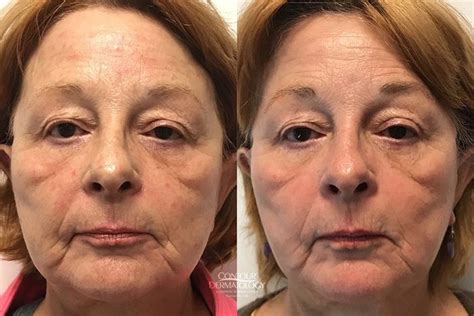
Chemical Peels as an Anti-Aging Treatment
Chemical peels are highly effective for anti-aging, addressing wrinkles and age spots. Different peels are tailored to specific concerns:
Best Chemical Peels for Wrinkles: Glycolic Acid Peel
Glycolic acid, an AHA derived from sugarcane, is known for its exfoliating power. In a chemical peel, it removes the outer layer of dead skin cells, revealing smoother, brighter, and more youthful skin. It helps reduce fine lines and wrinkles, stimulates collagen production for increased elasticity, improves skin texture and tone, and enhances overall radiance.
Best Chemical Peels for Dark Spots: Lactic Acid Peel
Lactic acid is a gentle yet effective peel for targeting uneven skin tone and discoloration caused by sun exposure, aging, or inflammation. It helps fade dark spots and brightens the complexion, making it a great anti-aging option that is gentle and effective.
Chemical Peels for Aging Skin: TCA Peel
Trichloroacetic acid (TCA) peels penetrate deeper into the skin layers, making them ideal for reducing more pronounced wrinkles, age spots, and uneven skin texture. They diminish age spots and sun damage, improve skin texture and elasticity, and stimulate collagen production for long-lasting results.
At-Home Chemical Peels
Today's over-the-counter (OTC) chemical peels offer a convenient way to achieve smoother, more radiant skin between professional treatments. These peels can help fade dark spots, even out complexion, build collagen, enhance tone, and exfoliate.
How At-Home Chemical Peels Work: Exfoliating enzymes in chemical peels gently remove the dead layer of skin (stratum corneum) to brighten and smooth the skin. Most at-home treatments utilize AHAs (like glycolic and lactic acid) or BHAs (like salicylic acid). It is crucial to avoid phenol peels at home, as they are very intense and should only be administered in a clinical setting.
What Ingredients to Look For:
- Glycolic Acid: Stimulates collagen, reduces fine lines and wrinkles, good for dry skin.
- Salicylic Acid: Unclogs pores, regulates sebum, ideal for oily, acne-prone skin.
- Fruit Enzymes: Gentle exfoliants, great for beginners and sensitive skin.
- Lactic Acid: Aids in brightening and treating keratosis pilaris.
Recommended At-Home Chemical Peels:
- Best Overall: Shani Darden Triple Acid Signature Peel (Glycolic, Lactic, Mandelic Acids)
- Best for Beginners: Dermalogica Liquid Peelfoliant (30% multi-acid blend including Glycolic, Lactic, Salicylic, Phytic, and Tranexamic Acids)
- Best Peel Pads: Dr. Dennis Gross Skincare Alpha Beta Extra Strength Daily Peel Pads (AHAs, BHAs, Retinol, Antioxidants)
- Best Overnight Peel: Kate Somerville KateCeuticals Resurfacing Overnight Peel (Encapsulated Retinol, Ceramides, Niacinamide, Glycolic Acid)
- Best for Acne-Prone Skin: Obagi Blue Brilliance Triple Acid Peel (Glycolic, Lactic, Salicylic Acids with soothing ingredients)
- Best for Uneven Texture: Elemis Dynamic Resurfacing Peel & Reset (Patented trio of enzymes, Phytic, Ellagic, Mandelic Acids)
- Best for Sensitive Skin: U Beauty Resurfacing Flash Peel (Glycolic Acid, Fruit-Derived AHAs, Hyaluronic Acid)
- Best Luxury: Chanel Le Lift Pro Retexturizing AHA Peel (Glycolic and Phytic Acids, Honey)
- Best Budget: The Ordinary AHA 30% + BHA 2% Peeling Solution (Glycolic, Tartaric, Salicylic, Lactic Acids)
Important Note: It is best to steer clear of "professional-grade" formulas sold online from unverified brands, as they can cause burns, scarring, and deep hyperpigmentation, especially in deeper skin tones. Always follow directions carefully and pair at-home peels with SPF.