Navigating the world of skincare can feel tricky when your face has both oily and dry areas, but finding the best skincare for combination skin doesn't have to be overwhelming. It’s all about balance and working with what your unique skin needs.
For the most up-to-date, personalized advice on skin care, we recommend consulting with a dermatologist.
What is Combination Skin?
Combination skin features different textures in different areas of the face. Often, the T-zone (forehead, nose, and chin) tends to be oily, while the cheeks may feel dry or normal. This mix calls for flexible care that targets differing needs at once.
How to Tell If You Have Combination Skin
You likely have combination skin if:
- Your T-zone is noticeably oily while your cheeks are dry or normal.
- You experience both breakouts and dry patches.
- Your skin feels tight in some areas but greasy in others, especially by midday.
- Makeup tends to wear off in oily areas but clings to dry zones.
A simple test: after cleansing, wait 30 minutes without applying products. If some areas look shiny while others feel tight or flaky, you probably have combination skin.
Key Ingredients for Combination Skin Cleansers
Caring for combination skin starts with choosing ingredients that work together rather than against each other. The right blend of hydration and oil control can make all the difference, helping your skin look clearer, smoother, and more even overall.
Hydrating and Soothing Ingredients
When shopping for face washes, start by looking for moisturizing ingredients that support the skin barrier:
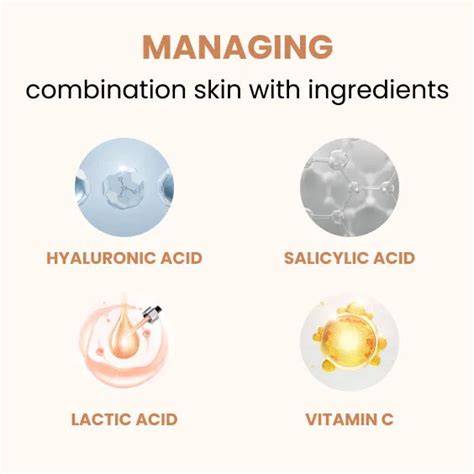
- Hyaluronic acid helps attract and retain moisture, ensuring your skin stays plump and hydrated without becoming greasy.
- Glycerin keeps the skin soft and supple.
- Aloe vera soothes and calms dryness or irritation.
- Ceramides help to strengthen the skin barrier and lock in moisture, combating dryness and irritation.
These ingredients ensure that cleansing doesn’t compromise hydration.
Oil-Controlling and Exfoliating Ingredients
To manage excess oil and congestion, ingredients like niacinamide and salicylic acid are especially beneficial:
- Niacinamide (also known as Vitamin B3) helps regulate sebum production while supporting the skin barrier. It can also help with acne and protect the skin against environmental factors.
- Salicylic acid is a beta-hydroxy acid (BHA) that works to gently unclog pores and reduce breakouts. It exfoliates the skin and has anti-inflammatory properties that can help reduce redness and swelling associated with acne.
When used in balanced formulations, these ingredients can keep oily areas in check without overwhelming the rest of your face.
Other Beneficial Ingredients
- Vitamin C is a powerful antioxidant that’s effective at brightening dull skin and protecting against environmental stressors.
- Lactic acid acts as a mild exfoliant that removes dead skin cells from dry areas and gently clears pores.
- Emollients like shea butter can soften dry skin.
Ingredients to Avoid for Combination Skin Cleansers
While some ingredients help bring combination skin into balance, others can quietly undo your efforts.
- Harsh sulphates (like Sodium Lauryl Sulfate) can be overly drying and strip moisture from already dry areas of the face. This often leads to irritation and can even cause oily areas to produce more sebum in response.
- Heavy oils and rich occlusive ingredients, although appealing for dry patches, can feel too heavy for combination skin and may clog pores or worsen breakouts in oil-prone zones.
- Fragrance-heavy products can irritate sensitive or dry areas.
- Alcohol-based toners can be overly harsh and drying.
The key is to avoid extremes and opt for formulas that respect your skin’s natural balance rather than overwhelming it.
Recommended Cleansers for Combination Skin
Choosing the best cleanser for combination skin is a personal decision and depends on your preferences and other skin concerns. However, there are a few tips to keep in mind. We recommend choosing face washes for combination skin that effectively remove excess oil and dirt, while also hydrating areas in need.
Deep Cleaning & Oil Control
- Laurel Skin Deep Clarity Oil Cleanser: Great at getting all the gunk out of your pores while being gentle enough to not irritate or trigger excess oil production. Contains sesame oil, safflower oil, and sunflower oil, all of which are non-comedogenic.
- Glytone Mild Gel Cleanser: A gel-based face wash formulated with glycolic acid, which exfoliates dead skin cells and helps prevent clogged pores that lead to breakouts. It has a resurfacing effect that evens skin tone and reveals a brighter complexion.
- The Derma Co. 2% Niacinamide Oily Skin Cleanser: This gel-based cleanser uses niacinamide to clear out dirt and debris, while ceramides calm and protect, leaving skin feeling fresh and balanced without irritation.
Acne-Fighting
- Neutrogena Oil-Free Acne Wash: Formulated with salicylic acid, a powerful acne-fighting ingredient that sloughs off dead skin cells and prevents the formation of new breakouts. This budget-friendly option eliminates oil and leaves behind no pore-clogging residue.
Hydrating
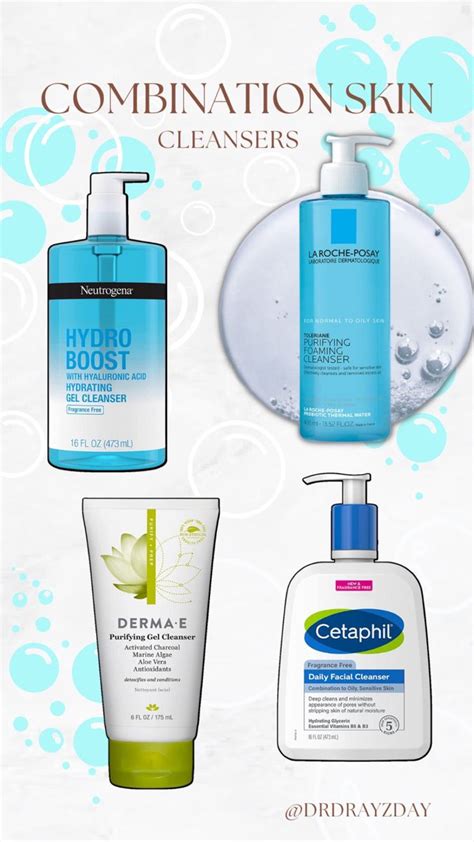
- La Roche-Posay Toleriane Hydrating Gentle Cleanser: Contains skin-nourishing ceramides, niacinamide, and glycerin. It’s non-comedogenic, oil-free, and paraben-free with a non-irritating formula, ideal for combination skin that leans towards dryness.
- L'Oreal Paris Revitalift Hyaluronic Acid Hydrating Gel Cleanser: Features hyaluronic acid to retain moisture, ensuring skin stays plump and hydrated without becoming greasy, perfect for fighting oiliness while maintaining a dewy glow.
Gentle and Natural Options
- Simple Kind to Skin Refreshing Facial Wash: A mild option that gently cleanses without stripping the skin.
- Dermalogica Special Cleansing Gel Facewash: A gentle, soap-free formula that cleanses and purifies without stripping.
- Sadhev Ayurvedic Facial Cleanser For Combination Skin: An ayurvedic option formulated for combination skin.
- SKIN1004 Madagascar Centella Ampoule Foam: Utilizes Centella Asiatica for soothing and cleansing.
Building a Skincare Routine for Combination Skin
Morning Routine
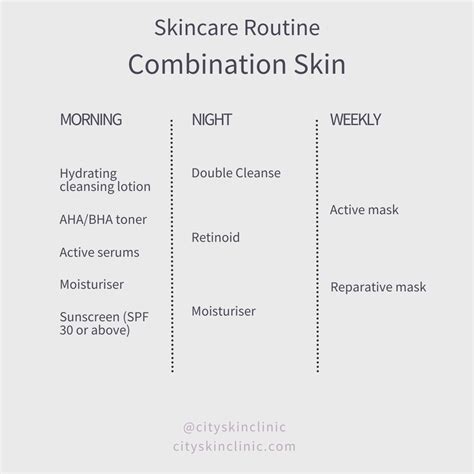
- Cleanser: Start with a gentle, non-stripping cleanser.
- Toner (optional): Use a hydrating toner on your dry areas and an oil-balancing toner on your T-zone, or a single, balanced toner.
- Serum: Apply a lightweight, hydrating serum (like one with hyaluronic acid) to your entire face.
- Moisturizer: Use a lightweight, oil-free moisturizer. Look for gel-based or water-based formulas.
- Sunscreen: Finish with a broad-spectrum, oil-free sunscreen.
Evening Routine
- Double Cleanse: If you wear makeup or heavy sunscreen, start with an oil-based cleanser or micellar water, followed by your gentle cleanser.
- Treatment Products: Apply targeted treatments, such as a BHA (beta hydroxy acid) for your T-zone and a hydrating serum or cream on your dry areas.
- Moisturizer: Apply your lightweight moisturizer. You can apply a slightly richer cream to your cheeks if they need extra hydration.
Specific Concerns for Combination Skin
Acne-Prone Combination Skin
If you’re working with combination skin plus frequent breakouts, consider these extra steps:
- Use a cleanser that contains salicylic acid.
- Double-cleanse at night if you wear makeup.
- Use a toner to remove excess oil and help fight blackheads and blemishes.
Exfoliation for Combination Skin
Exfoliation can be important for combination skin-but less is more. You could use a gentle chemical exfoliant (like BHA/salicylic acid for oily zones or PHA/lactic acid for drier areas) 1-2 times per week. Avoid physical scrubs, which can cause microtears and irritate both dry and oily areas. Exfoliate more frequently on oily areas and less often on dry patches, if needed.
Moisturizing Combination Skin
Moisturize twice daily. Try a lightweight, oil-free moisturizer for daytime and a slightly richer formula at night if needed. With combination skin, you might benefit from using two moisturizers: a creamy formula for dry areas and a lightweight, water-based formula for oily parts.
Vitamin C for Combination Skin
Absolutely! Vitamin C can be good for combination skin. It may brighten dull spots and provide antioxidant protection without being too heavy for oily zones.
Home Remedies for Combination Skin
When it comes to treating combination skin, you may find plenty of home remedies:
- Coconut oil: May be a good choice for dry patches due to its moisturizing and anti-inflammatory qualities. However, it is comedogenic and best avoided on areas prone to acne.
- Honey: A humectant that hydrates by drawing moisture from the air. It also has natural antibacterial and antiseptic properties. Honey works well in homemade masks.
- Oatmeal: Can work well for excess oil as it absorbs oil and calms irritation. It’s also great for sloughing off dead skin. Try an oatmeal mask by combining ½ cup ground oats with 2 tbsp. warm water to form a paste, apply to a clean face for 3 to 5 minutes, then rinse.
Combination Skin for Men
A combination skin care routine is mostly the same for men as it is for women. Men’s skin is typically thicker and has a rougher texture, so using a toner in the cleansing step can help clear away impurities further and soothe combination skin.
Common Skincare Mistakes to Avoid
- Don’t skip moisturizer: Every skin type needs moisture. Find formulas suited for your skin type, using moisturizer sparingly on oily areas and applying more to dry areas.
- Don’t forget to exfoliate: Use a gentle exfoliant once per week. If dry areas cause sensitivity, exfoliate only in the needed areas.
- Don’t get stuck in one routine: Make sure your routine keeps up with your skin’s changes. Switch up your products and regimen accordingly.
Striking the balance between good skin hygiene and not overdoing it is key. Over-cleaning a dry area could result in exacerbation of dryness, flaking, and broken skin, while not cleansing properly on very oily areas can result in breakouts and dead skin build-up.
tags: #best #face #wash #ingredients #for #combination