Dealing with acne can be challenging, and sometimes, even after the blemishes disappear, they can leave behind scars. While you may have perfected your acne skincare routine, mastering the art of concealing acne scars with makeup is another skill that can significantly boost your confidence. Makeup offers a temporary solution to disguise the appearance of acne scars, allowing you to achieve a smoother, more even complexion.
It's important to remember that while makeup can effectively cover acne and acne scars, it does not treat the underlying condition. In some cases, certain makeup products or application techniques can even exacerbate acne. Therefore, understanding how to use makeup correctly for acne-prone skin is crucial. If you're struggling with persistent acne or acne scars, consulting a dermatologist is always recommended for professional guidance and treatment options.
Choosing the Right Makeup Products
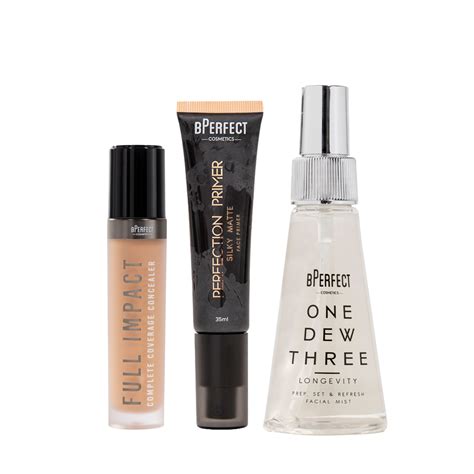
To effectively conceal acne and acne scars, incorporating a few key products into your makeup routine is essential. These include:
- Primer: Creates an even canvas and helps makeup last longer.
- Concealer: Specifically targets and covers blemishes and scars.
- Foundation: Evens out overall skin tone.
- Setting Powder: Locks makeup in place and controls shine.
Ingredients to Avoid for Acne-Prone Skin
Before heading to the beauty counter, it's vital to be aware of certain ingredients that can potentially worsen breakouts for those prone to acne. Dr. Jeffrey Hsu, MD, FAAD, Founder of Oak Dermatology, advises caution:
“For my patients with acne-prone skin, I advise them to avoid potentially comedogenic ingredients when looking for foundations and makeup. These ingredients can trigger acne flares or breakouts,” says Dr. Hsu.
Here are some ingredients Dr. Hsu recommends avoiding:
- Silicone: Often found in primers and skincare products to smooth skin by filling pores. However, silicone can remain in pores after washing, potentially leading to clogged pores.
- Oils: This includes natural oils like avocado or coconut oil. Oils are inherently pore-clogging.
- Lanolin: Also known as sheep skin oil, lanolin is highly comedogenic and should be avoided.
- Talc: A common powder filler in makeup, talc is not only comedogenic but can also cause dryness and irritation for sensitive skin.
Dr. Hsu also notes that ingredients like silicone can sometimes be disguised under different chemical names on product labels, making them difficult to spot.
The Benefits of Mineral Makeup
For individuals with acne-prone skin, mineral makeup is often the best choice. Made from natural minerals found in the earth, mineral makeup, including foundations, is generally:
- Non-comedogenic: It is less likely to clog pores.
- Gentler: It allows the skin to breathe and can be a good option for concealing breakouts and inflamed spots without exacerbating them.
Preparing Your Skin for Makeup
A clean base is essential for any makeup application, especially when dealing with acne and scars. Dr. Hsu emphasizes the importance of gentle cleansing:
“You’ll want to clean your skin with a gentle wash first, before you apply makeup,” he says. “Just use extra care when washing to avoid making those spots any angrier. Avoid rubbing your skin too hard, especially with a washcloth, and avoid using cleansers containing potentially irritating or drying ingredients, like alcohol.”
Furthermore, hygiene is paramount when applying makeup to avoid introducing bacteria to irritated areas. Always use clean fingers or a clean makeup sponge to apply products.
Step-by-Step Guide to Applying Makeup for Acne Scars
Achieving a flawless, natural-looking finish requires a strategic approach. Follow these steps:
1. Apply Primer
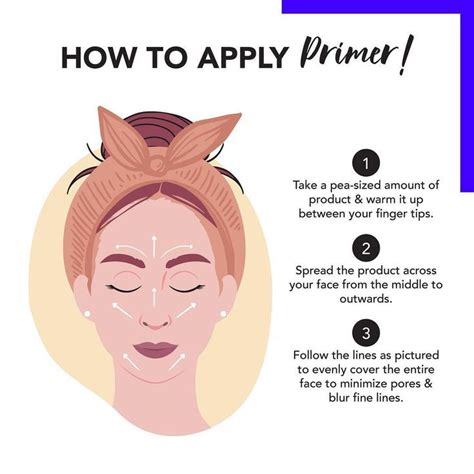
Primer creates a smooth surface for foundation, helping to minimize the appearance of pores and texture. It also helps your makeup last longer and prevents foundation from caking around blemishes.
How to apply:
- Apply a small amount of primer (about half a pump or a pea-sized dollop) to a clean finger or makeup sponge.
- Spread the primer evenly over your skin, avoiding the eye area.
- Allow the primer to set for a few minutes before proceeding to the next step.
2. Color-Correct and Conceal
Concealer is your primary tool for covering specific blemishes and scars. Applying it before foundation can create a more seamless look, preventing you from rubbing off foundation during the blending process.
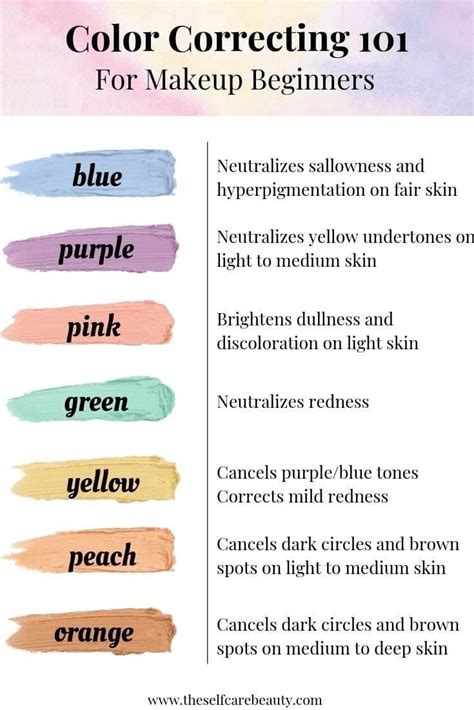
Color-Correcting Concealer: If your acne scars appear noticeably dark, pink, or red, a color-correcting concealer can be highly beneficial.
- Green concealers are effective for neutralizing redness.
- For individuals with brown or Black skin, peach, orange, or red concealers can help counteract dark blemishes and scars.
Color-correcting concealers come in various forms, including sticks, crayons, and liquids.
How to apply color corrector:
- Dot the color-correcting concealer directly onto each blemish or scar.
- Use a clean finger or a sponge to gently dab the concealer until it is blended into the skin. Avoid rubbing.
Concealer for Extra Coverage: After color-correcting, you can apply a non-comedogenic concealer that matches your skin tone to any areas needing additional coverage.
How to apply skin-toned concealer:
- Dot areas that require more coverage with concealer.
- Gently pat the concealer with a clean finger or sponge until it is well-blended. Creamier formulas often blend more seamlessly than stick versions.
3. Apply Foundation
Foundation helps to even out your overall skin tone and unify the makeup application. It comes in various formulations, including liquid, cream, and powder.
- Liquid foundation is often a good choice for dry skin.
- Powder or cream-to-powder foundations may be more suitable for oily skin, as powder can sometimes settle into fine lines.
How to apply foundation:
- Start with a small amount of foundation.
- Blend it evenly using clean fingers, a sponge, or a brush to create a light, uniform layer.
- Build coverage by applying additional light layers as needed.
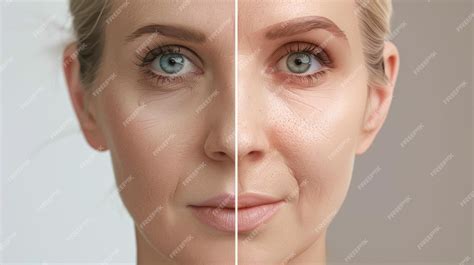
4. Set Your Makeup
Setting powder is crucial, especially if you used a liquid or cream foundation, to help prevent shine and extend the wear of your makeup throughout the day. Translucent or loose powders can be effective, and mineral powders are an excellent acne-friendly alternative.
How to apply setting powder:
- Swirl a brush into the powder until the bristles are lightly coated.
- Tap off any excess powder.
- Dust the powder over your face using light, circular motions.
Alternatively, a setting spray can also help lock your makeup in place. Mist the spray evenly over your face from about eight inches away.
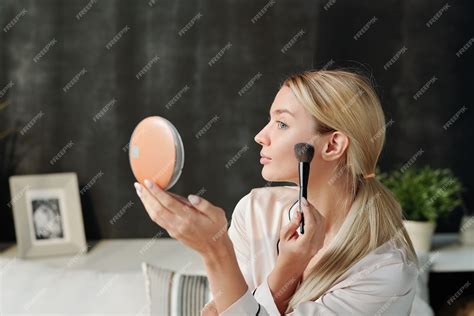
Proper Makeup Removal is Key
Knowing how to effectively remove makeup is just as important as knowing how to apply it, especially for preventing worsened acne breakouts. Dr. Hsu provides these essential tips:
- Use Face Wash with Enzymes or Acids: “It’s best to use a face wash containing enzymes or acids so there is that chemical exfoliation to clean out pores thoroughly,” explains Dr. Hsu. This helps to break down debris and keep pores clean.
- Wash Your Face Twice (Double Cleansing): Even non-comedogenic or mineral makeup can contribute to clogged pores if not thoroughly removed. Dr. Hsu recommends double cleansing, washing your face twice, as most makeup leaves behind residue after a single wash.
- Use a New Washcloth Daily: If you use a washcloth, never use the same one for consecutive washes. Once a towel is wet and air-dried, it can become a breeding ground for bacteria. Keep a stack of fresh washcloths readily available and place used ones directly into the laundry.
Double Cleansing Method: Should You Try It?
When to Seek Professional Help
While makeup can be a powerful tool for temporarily concealing acne blemishes and scars, it's crucial to understand its limitations. Makeup cannot treat acne itself and, if not chosen or used carefully, might even worsen breakouts. If acne causes significant distress or your current skincare and makeup routine isn't improving your skin's condition, it's always advisable to consult a dermatologist. They can offer expert guidance on acne treatments, skincare routines, and help you select acne-friendly makeup products tailored to your specific needs.