If you've ever stood in a skincare aisle wondering whether that little bottle of Bio-Oil is magic or hype, you're not alone. Facial oils can feel intimidating: Will it clog pores? Will I look greasy? Is it even meant for the face? These are totally valid questions. This guide will walk you through what Bio-Oil is, why people use it on their face, how to apply it safely, and what results you can realistically expect.
What is Bio-Oil?
Bio-Oil is a specialized skincare product formulated as a blend of plant extracts, vitamins, and oils. It was originally designed to improve the appearance of scars, stretch marks, and uneven skin tone. Despite not being exclusively marketed for facial use, Bio-Oil has become a popular choice for many seeking to address various skin concerns on their face.
Key Ingredients and Their Benefits
The formula of Bio-Oil includes a combination of beneficial ingredients:
- Plant Extracts: Such as Calendula, Lavender, Rosemary, and Chamomile oils, known for their soothing and healing properties.
- Vitamins: Vitamin A, which helps boost skin elasticity and texture, and Vitamin E, which moisturizes and protects the skin.
- Mineral Oil: Acts as a base, helping to lock in moisture.
Bio-Oil for Facial Concerns
Dryness and Dehydration
When your skin feels tight, flaky, or rough, a face oil can "seal in" moisture. Bio-Oil does not replace your moisturizer; it supports it. Think of moisturizer as providing water to the skin, and oil as putting a lid on it so it doesn’t evaporate. This is particularly beneficial for dry skin types who often find that oils are well-tolerated and help to maintain hydration.
Facial Scars
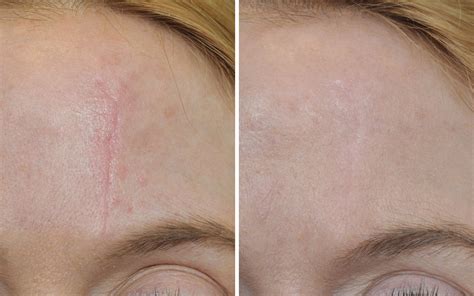
Facial scars, whether from acne, injury, or surgery, often look more noticeable when the surrounding skin is dry or inflamed. When skin is nourished and less irritated, its texture tends to look smoother. Bio-Oil claims to help improve the appearance of new and old scars. According to a 2018 study, Bio-Oil showed a significant reduction in scarring and striae (stretch marks) in comparison with an untreated area. Many users report that their newest scars have improved with its use, and the oil can also help soften the appearance of acne scars over time by keeping the skin nourished.
Uneven Skin Tone and Hyperpigmentation
Because it contains Vitamin A derivatives and antioxidant oils, some users find that Bio-Oil gradually improves dullness or uneven tone. In one clinical trial, an 86% success rate was reported in improving the appearance of uneven skin tone and pigmentation after 12 weeks of applying Bio-Oil. It can be used to help with hyperpigmentation for both dark and light skin types.
Fine Lines and Wrinkles
Dehydrated skin can make fine lines look deeper. The plant-based oils in Bio-Oil are hydrating and can cosmetically reduce the appearance of wrinkles by plumping the skin. Additionally, vitamin A, found in Bio-Oil, has been shown to improve fine wrinkles.
Bio-Oil and Acne-Prone or Oily Skin
This can be a tricky area. While Bio-Oil is considered noncomedogenic, meaning it won’t clog pores, some individuals with oily skin may find it triggers breakouts. However, some people with oily skin tolerate Bio-Oil well, especially when used in tiny amounts. For acne, doctors are more likely to recommend other treatments like benzoyl peroxide, salicylic acid, or alpha hydroxy acids (AHAs). While Bio-oil isn't an acne treatment itself, one of its ingredients, rosemary oil, has demonstrated antibacterial activity against Propionibacterium acnes (P. acnes), a bacteria that contributes to acne.
How to Apply Bio-Oil to Your Face
When incorporating Bio-Oil into your facial routine, it's essential to do so carefully:
- Start with a clean face. If you use a toner, essence, or serum, apply it first.
- Less is more. Seriously, use a tiny amount.
- Warm the drops between your fingers and press them gently into the skin.
- Moisturizer Support: If your skin is dry, you can apply moisturizer after the oil, or mix a drop into your moisturizer.
- Sunscreen is Key: If you use Bio-Oil in the morning, always finish with sunscreen.
- Nighttime Application: Nighttime is usually the easiest way to start using facial oils.
Bio Oil Review _ Does Bio Oil Work on Stretch Marks & Scars? | SuperWowStyle
Realistic Expectations and Potential Downsides
Here’s the honest truth: Bio-Oil works for many people, but not for all. Progress isn’t perfectly linear; some weeks you’ll feel like it’s working great, and other weeks your skin might feel unchanged. More oil doesn't mean more benefits, as oils don’t hydrate by themselves. Especially for sensitive or acne-prone skin, it's important to be cautious. If you’re using exfoliating acids or prescription retinoids, add Bio-Oil slowly.
While Bio-Oil is generally considered safe, it isn't recommended for use on broken or bleeding skin. Additionally, a fragrance ingredient in Bio-Oil, linalool, is a known allergen. If you think you might be sensitive to linalool or any of the listed ingredients, perform a skin patch test before regular use. Apply a small amount on your forearm and wait 30 to 60 minutes. If you experience a reaction, discontinue use.
The brand claims that to see results, you need to be using it for a minimum of three months. Most people need around 6-12 weeks of regular use to notice significant changes.
Beyond the Face: Additional Uses for Bio-Oil
Bio-Oil has a multitude of other uses:
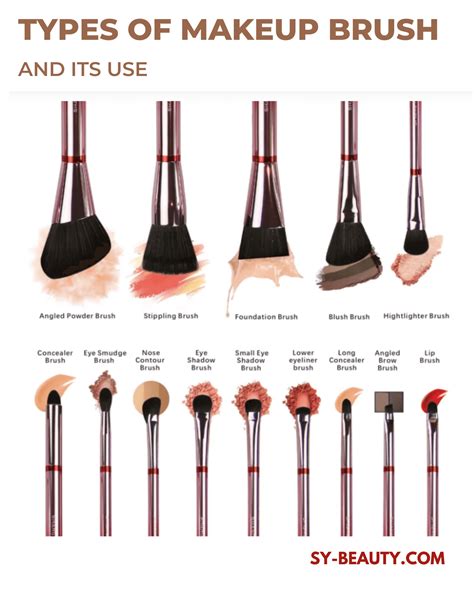
- Makeup Brush Cleaner: It protects delicate bristles while dissolving grime and product buildup.
- Pre-Shave Treatment: Hydrates and protects skin, helping to reduce shaving bumps and rashes for both men and women.
- Makeup Primer: For those with oily skin, applying a small amount before makeup can help create a smoother canvas.
- Lip Care: Can rescue cracked and dry lips.
- Insect Bite Relief: Dabbed onto bites, it can help reduce redness once the itching has settled.
- Age Spots and Discoloration: Contains ingredients that have shown a positive effect on age spots and other skin discolorations.
- Bath Oil: A few drops in the bath leave skin feeling soft and moisturized.
- Cuticle Conditioner: A drop rubbed into cuticles can keep them healthy.
- Seal Spray Tan: Applied before showering, it can help spray tans last longer and prevent flaking on elbows and ankles.
- Soothe Post-Waxing Irritation: Helps calm redness and irritation after eyebrow waxing or threading.
- Essential Oil Alternative: Rubbing it across pulse points can offer a relaxing effect.
- Hair Tamer: Smooths frizz, baby hairs, or fly-aways, and hydrates parched ends.
- Itchy Scalp Relief: Massaging into the scalp can reduce itchiness and flaking.
- Sunburn Soother: Massaging across sunburns can prevent peeling and aid healing.
- Post-Tattoo Care: Helps nourish and hydrate the skin once a tattoo has fully healed.
Celebrity Endorsements
Many celebrities swear by Bio-Oil. Maya Jama has mentioned using it for years, applying it after showering to lock in moisture. Kim Kardashian also noted using it "like crazy" during her pregnancies.
Bio-Oil vs. Dry Skin Gel
Bio-Oil offers two main products: the original Bio-Oil and the newer Bio-Oil Dry Skin Gel. The gel has a jelly-like texture, making it especially suited for very dry skin.
Study Findings
According to a 2018 study of 80 people with non-hypertrophic scars, Bio-Oil showed a 14 percent better reduction in scarring and striae compared to an untreated area. Additional results from participants indicated that 93% reported long-lasting soft and supple skin, 61% felt it improved their skin appearance, and 51% said their scars and stretch marks looked less pronounced. However, 17% indicated the oil had no benefit.
A 2012 clinical trial reported that 90% of participants saw a notable improvement in the color of facial acne scars after using the oil. In a 2011 clinical trial, an 86% success rate was reported in improving the appearance of uneven skin tone and pigmentation after 12 weeks of application.