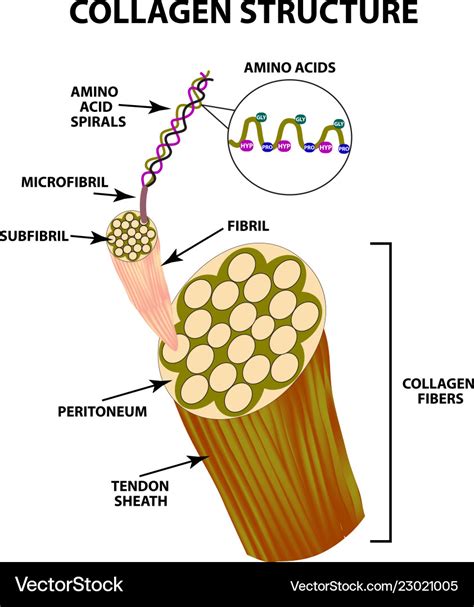
Collagen is the most abundant protein in the human body, accounting for approximately 30% of the total protein content. It serves as the primary building block for the body's skin, muscles, bones, tendons, ligaments, and other connective tissues. Additionally, collagen is present in organs, blood vessels, and the intestinal lining. Proteins are synthesized from amino acids, with proline, glycine, and hydroxyproline being the main amino acids that form collagen. These amino acids group together to create protein fibrils arranged in a triple helix structure. The body also requires adequate amounts of vitamin C, zinc, copper, and manganese to facilitate the formation of this triple helix.
The principal function of collagen is to provide structure, strength, and support throughout the body. Its specific roles include assisting fibroblasts in the dermis (the middle layer of skin) to form, which promotes the growth of new cells. Collagen also plays a part in replacing dead skin cells, offers a protective covering for organs, and contributes to the structure, strength, and elasticity of the skin. Furthermore, it aids in blood clotting.
There are approximately 28 identified types of collagen, each differing in molecular assembly, added cellular components, and bodily location. All collagen fibrils possess at least one triple helix structure. The five main types of collagen and their functions are:
- Type I: Constitutes 90% of the body's collagen. It is densely packed and provides structural integrity to the skin, bones, tendons, and ligaments.
- Type II: Found in elastic cartilage, offering joint support.
- Type III: Present in muscles, arteries, and organs.
- Type IV: Located in the layers of the skin.
- Type V: Found in the cornea of the eyes, certain layers of skin, hair, and placental tissue.
As individuals age, the body's collagen production decreases, and existing collagen breaks down at an accelerated rate. The quality of collagen also diminishes over time. Women experience a significant reduction in collagen production after menopause, and a general decline in collagen production is common after the age of 60.
While collagen levels cannot be directly measured through methods like blood tests, several signs indicate a decrease in collagen. Smoking negatively impacts collagen production by damaging both collagen and elastin, leading to wrinkles and delayed wound healing. Nicotine constricts blood vessels near the skin's surface, impeding the delivery of oxygen and nutrients. Excessive consumption of sugar and refined carbohydrates can also damage collagen, making it weak, dry, and brittle through a process called glycation. Exposure to ultraviolet light from the sun further reduces collagen production and accelerates its breakdown, contributing to wrinkles. Therefore, avoiding excessive sun exposure and consistently using sunscreen with an SPF of 30 or higher is recommended.
Certain diseases and factors can also damage collagen. Autoimmune diseases, where the body's immune system attacks its own tissues, such as rheumatoid arthritis, lupus, dermatomyositis, and scleroderma, are known to damage collagen. Genetic mutations can also lead to collagen construction errors, resulting in conditions like Ehlers-Danlos syndrome and osteogenesis imperfecta. Naturally, collagen levels also decline with age.
Collagen in Medicine and Cosmetics
Collagen can be broken down, converted, and reabsorbed by the body, leading to a wide range of applications in medicine and cosmetics. Collagen used for medical purposes is sourced from humans, cows, pigs, or sheep. Its uses include:
- Dermal fillers: Collagen injections are used to fill shallow depressions in the skin, such as lines and wrinkles.
- Wound dressing: Collagen aids in wound healing by attracting new skin cells to the affected area.
- Periodontics: Collagen acts as a barrier to prevent fast-growing gum tissue from encroaching on a wound site, allowing tooth cells sufficient time to regenerate.
- Vascular prosthetics: Donor collagen tissue grafts have been utilized in reconstructing arteries, promoting peripheral nerve regeneration, and creating blood vessel prostheses.
Cosmetic companies also incorporate collagen into products like moisturizers and serums due to its moisturizing and humectant properties.
Collagen Supplements and Dietary Sources
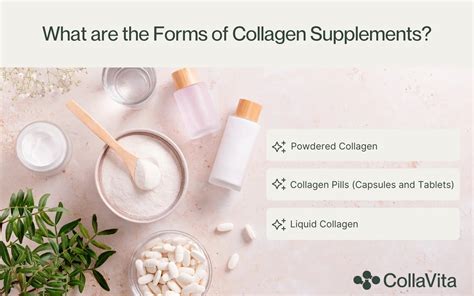
Collagen supplements are available in various forms, including powders, capsules, and liquids. These supplements are typically made from the tissues of cows, pigs, chickens, or fish. Vegan collagen powders derived from bacteria and yeast are also available, though their efficacy compared to animal-sourced collagen is still under investigation.
Collagen peptides are small fragments of animal collagen, created by breaking down the whole protein into smaller peptides or amino acids. This breakdown process, often referred to as hydrolysis, makes collagen more easily absorbable by the body through the gastrointestinal tract. Collagen supplements usually contain two or three amino acids and are marketed as collagen peptides or hydrolyzed collagen.
Collagen powder offers the same active ingredients as capsules and gummies, with varying dosages. It is often considered convenient as it can be easily added to drinks or food. Some individuals prefer powder over capsules to avoid swallowing multiple pills or added sugars found in gummies.
Collagen liquids are premade drinks or packets that can be mixed into beverages. They come in various flavors and may contain additional beneficial ingredients.
Nutritional Content of Collagen Peptide Powder
A typical serving of fourteen grams of collagen peptide powder contains:
- Calories: 50
- Protein: 12 grams
- Fat: 0 grams
- Carbohydrates: 0 grams
- Fiber: 0 grams
- Sugar: 0 grams
This serving also provides approximately 29 milligrams of calcium, 44.9 milligrams of sodium, and 0.98 milligrams of potassium.
Collagen supplements can contribute to daily protein intake. Collagen contains eight of the nine essential amino acids required by the body for protein synthesis. The missing amino acid, tryptophan, is readily available in many common foods such as dairy, meats, seafood, tofu, nuts, and grains. Research suggests that most individuals can obtain up to one-third of their daily protein needs from collagen while still meeting their essential amino acid requirements.
Potential Benefits of Collagen Supplements
Collagen is considered essential for maintaining good health due to its widespread presence in the body. While research into the benefits of collagen powder and other supplements is ongoing, studies suggest potential advantages:
- Stronger bones: Some research indicates that daily collagen powder intake may help increase bone density, potentially slowing age-related bone brittleness and supporting new bone formation.
- Skin elasticity and hydration: Collagen supplements have demonstrated improvements in skin hydration and elasticity, particularly in older individuals, and may help reduce the appearance of wrinkles.
- Thicker hair: In one study, women experiencing hair thinning showed significant increases in hair quantity, scalp coverage, and thickness after daily collagen supplementation.
- Healthier nails: Some studies have reported faster nail growth and fewer instances of broken or chipped nails after only 4 weeks of daily collagen supplementation.
- Reduced osteoarthritis pain: For individuals with knee osteoarthritis, collagen supplements may act as a mild pain reliever and improve joint function, with effects typically observed after 3-5 months of daily use.
- Increased muscle mass: A small study found that men participating in a 12-week strength training program who also took collagen peptide supplements experienced greater increases in muscle mass and strength compared to those who did not.
- Improved heart health: Collagen helps maintain the shape of arteries and blood vessels. A small study on healthy individuals suggested that collagen powder contributed to healthier arteries and reduced the risk of atherosclerosis.
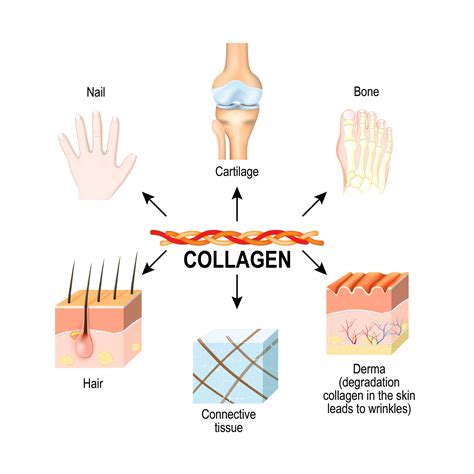
It is important to note that once ingested, collagen is broken down into amino acids by the digestive system. The body then uses these amino acids to create new proteins, which may not necessarily be in the same composition as the original supplement. Therefore, the benefits of collagen supplements cannot be specifically targeted to certain areas like skin, hair, or joints.
Safety and Considerations
Side effects from collagen powder, capsules, liquids, or gummies are rare. However, pregnant or breastfeeding individuals should consult with a healthcare professional before taking collagen supplements due to a lack of extensive safety research in these populations.
The Food and Drug Administration (FDA) does not regulate collagen powder or other dietary supplements. This means there is no guarantee that a supplement contains the type or amount of collagen stated on the label. There is also a potential risk of contamination with pesticides, bacteria, or other substances. As collagen supplements are often animal-derived, they may contain heavy metals or other toxins accumulated in animal bones. It is crucial to purchase supplements from reputable sources.
The effects and safety of collagen powder and other supplements are subjects of ongoing research and debate. An alternative to supplements is to support the body's natural collagen production through a diet rich in healthy foods.
Supporting Natural Collagen Production Through Diet
The body naturally produces collagen by combining amino acids, which are obtained from food. Key components for collagen production include:
- Proline: Found in egg whites, dairy, cabbage, mushrooms, and asparagus.
- Glycine: Present in pork skin, chicken skin, gelatin, and other protein-rich foods.
- Vitamin C: Abundant in citrus fruits, bell peppers, strawberries, broccoli, and potatoes.
- Zinc: Found in oysters, red meat, poultry, pork, beans, chickpeas, nuts, broccoli, leafy greens, whole grains, and milk products.
- Copper: Present in organ meats, cocoa powder, cashews, sesame seeds, and lentils.
Incorporating foods rich in these nutrients can help the body produce more collagen naturally.
Collagen-Rich Foods
Certain foods are naturally rich in collagen or provide the necessary building blocks for its synthesis:
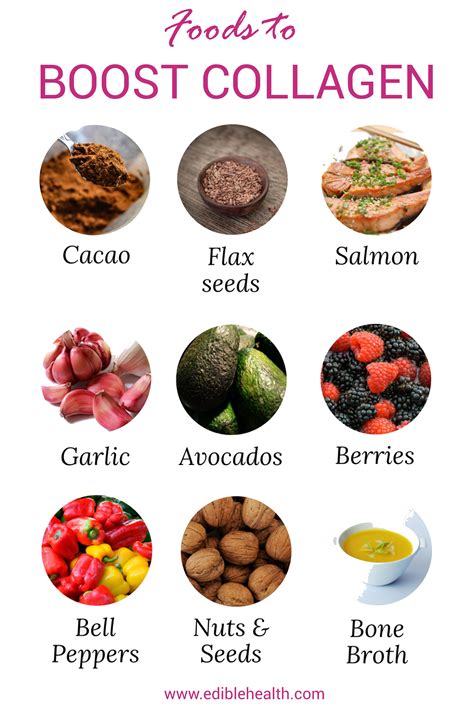
- Bone broth: Made by simmering animal bones and connective tissues, it extracts collagen.
- Fish with skin on: Fish skin is a significant source of collagen.
- Chicken: Contains connective tissue, making it a good source, especially chicken feet.
- Red meat: Tougher cuts with connective tissue, like pot roast and brisket, are good sources.
- Fruits and vegetables: Particularly those high in vitamin C, which is essential for collagen synthesis.
- Aloe vera: Low doses may boost collagen in the dermis.
- Other high-protein foods: Such as eggs, dairy, and beans, provide amino acids for collagen production.
Dosage and Consumption
Research suggests that adults can safely consume between 2.5 and 15 grams of collagen per day. Many individuals opt for 1-2 tablespoons of collagen powder daily, mixed into smoothies, shakes, baked goods, soups, coffee, or tea.
As collagen is essentially protein, an overdose is unlikely. However, excessive protein intake can potentially strain kidney health. It is advisable to consult a doctor before starting any new supplement regimen.
Collagen Supplements vs. Protein
While collagen supplements can contribute to protein intake, they are not a complete protein source on their own. A balanced diet rich in high-quality protein, vitamin D, calcium, vitamin C, and zinc is crucial for supporting the body's natural collagen levels and bone health. Combining a protein-rich diet with regular physical activity, especially resistance training, can further benefit muscle and bone health.
Researchers recommend consuming more than 0.36 grams of protein per pound (0.8 grams per kg) of body weight to support muscle and bone health. Some studies suggest that individual protein needs can vary, with some benefiting from higher intakes.
Slowing Age-Related Collagen Loss
While age-related collagen loss cannot be entirely prevented, the process can be slowed down. Lifestyle factors significantly influence collagen production:
- Diet: A nutrient-dense diet, low in advanced glycation end products (AGEs) found in processed meats and fried foods, and rich in high-quality protein and plant foods, can help protect collagen.
- Lifestyle: Avoiding smoking and excessive alcohol consumption, and limiting intake of ultra-processed foods and added sugar, can delay age-associated collagen changes.
- Sun protection: Consistent use of sunscreen and protective clothing helps prevent collagen degradation from UV exposure.
Individuals with food allergies, such as fish or shellfish allergies, should carefully check supplement labels. Vegetarians, vegans, and those following Kosher or Halal diets may choose to avoid animal-derived collagen products.
Although direct interactions between collagen supplements and prescription medications are not extensively documented, ingredients in some supplements (like herbal extracts) may interact with medications. It is always recommended to consult a healthcare professional before starting collagen supplements, especially if you are taking prescription medications, including blood thinners or beta-blockers.
Collagen is a vital protein that provides structural support to various tissues and plays a role in essential bodily processes. While the body produces collagen naturally, it can also be obtained through supplements and certain foods. Studies suggest that collagen supplementation may offer benefits for skin health, bone mineral density, and joint function, particularly in specific populations. However, a balanced diet rich in protein and essential nutrients remains a fundamental and cost-effective approach to supporting collagen production and overall health.