Pimple patches offer a targeted solution for managing blemishes, combining advanced technology with beneficial skincare ingredients to help control breakouts, reduce inflammation, and promote healing. These discreet patches are designed to treat, camouflage, and minimize pimples effectively, often showing results in as little as six hours.
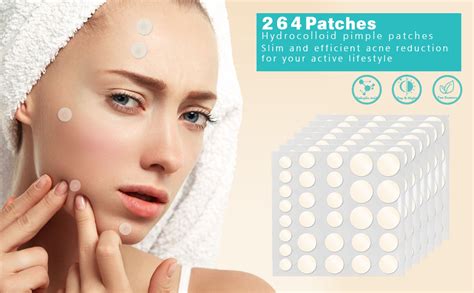
The Science Behind Pimple Patches: Hydrocolloid Technology
At the core of many effective pimple patches is hydrocolloid technology. A hydrocolloid dressing is a type of wound dressing that is typically opaque or transparent. This active ingredient is biodegradable, breathable, and forms a waterproof seal over the affected area. By creating a moist environment, it acts like a protective scab, allowing the skin to retain its natural healing fluids while shielding the wound from external contaminants.
In the context of pimple patches, the hydrocolloid polymer works by adhering to the skin and absorbing excess sebum - the oily substance produced by sebaceous glands - from active pimples. This process helps to draw out impurities and unclog pores.
Key Ingredients and Their Functions
Beyond hydrocolloid, pimple patches often incorporate other powerful ingredients to enhance their efficacy:
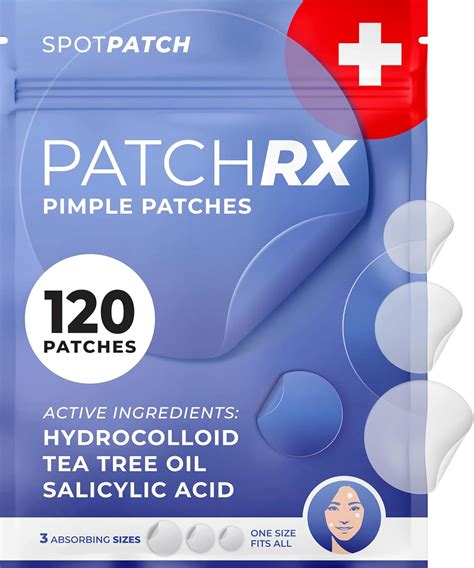
- Salicylic Acid: This beta-hydroxy acid (BHA) is a well-known exfoliant. It effectively and gently removes dead skin cells, clearing the way for the removal of dirt and excess oil trapped within pores.
- Tea Tree Oil: Renowned for its anti-inflammatory and antimicrobial properties, tea tree oil helps to destabilize the cells of acne-causing bacteria. This natural oil is particularly helpful for mild to moderate acne breakouts, calming redness and inflammation.
- Hyaluronic Acid: When included in pimple patches, hyaluronic acid helps to hydrate the skin, counteracting potential dryness that can be caused by other active ingredients like salicylic acid.
- Niacinamide: Also known as a version of vitamin B3, niacinamide can improve skin tone and texture. It also helps stabilize the skin's barrier function, which can enhance moisture retention.
- Benzoyl Peroxide: This antiseptic has been used for decades to treat acne. It is effective at killing acne-causing bacteria and reducing inflammation, but it's best avoided by those who have experienced prior irritation from it.
How Pimple Patches Work to Treat Breakouts
Pimple patches are designed to address breakouts through several mechanisms:
- Absorption of Fluids: The hydrocolloid material effectively absorbs excess fluid, such as pus and oil, from open pimples. This helps to drain the blemish and reduce its size and inflammation.
- Protection and Prevention of Picking: By covering the pimple, the patch acts as a physical barrier, preventing the urge to pick or touch the blemish. This is crucial, as picking can delay healing, lead to infection, scarring, and increased inflammation.
- Creation of a Healing Environment: The moist environment created by the hydrocolloid dressing promotes faster and more effective healing of the skin.
- Targeted Delivery of Active Ingredients: Patches formulated with ingredients like salicylic acid or tea tree oil deliver these beneficial compounds directly to the site of the breakout, maximizing their impact.
Some advanced pimple patches also feature microneedles. These tiny spikes help to deliver active ingredients deeper into the skin, potentially increasing their effectiveness.
Understanding Pimples and Acne
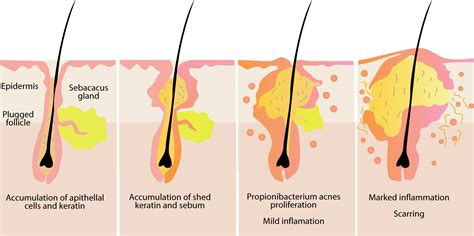
Pimples are a common symptom of acne, an inflammatory disorder of the skin. They typically surface due to hormonal changes, particularly during puberty, which can overstimulate the sebaceous glands. These glands, located at the base of hair follicles, secrete sebum, an oily substance that lubricates and protects the skin. Pimples form when dead skin cells mix with excess sebum, creating a plug in the pore that can lead to swelling, bacteria growth, infection, and pus.
It is important to distinguish between a pimple and acne itself. Pimples are a manifestation of the underlying condition, which is acne. Attempting to pop or squeeze a pimple can disrupt the natural healing process, potentially causing infection, scarring, and making the blemish more noticeable.
How to Use Pimple Patches Effectively
Using pimple patches is a straightforward process, but following these guidelines can maximize results:
- Cleanse and Dry: Wash your face thoroughly to remove any dirt, oil, or makeup. Ensure the skin around the blemish is completely dry, as moisture can prevent the patch from adhering properly.
- Apply the Patch: Carefully peel a patch from its backing and apply it directly onto the pimple, sticky-side down.
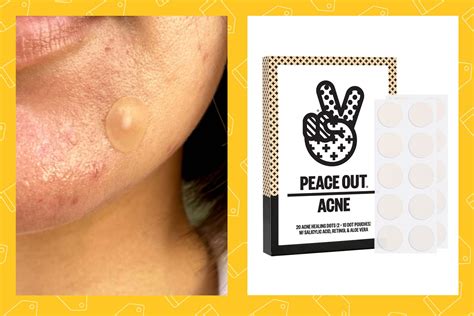
- Wear Time: Leave the patch on for the duration recommended by the manufacturer, typically at least six hours or overnight. The patch is often ready to be removed when it turns white, indicating it has absorbed fluids.
- Remove and Replace: Gently peel off the patch. If necessary, and as directed by the product, you can apply a new patch. Do not reuse patches.
For best results, it is recommended to apply patches to dry skin after cleansing and toning. You can apply other skincare products like serums and moisturizers, but avoid applying them directly onto the spot patch area.
When Pimple Patches Are Most Effective (and When They Are Not)
Pimple patches are particularly effective for certain types of blemishes:
- Open Pimples: They work best on pimples that have already come to a head or have been picked, as they can absorb fluids and protect the open wound.
- Inflamed Bumps: They can help reduce redness and swelling associated with papules (small, inflamed bumps).
- Pustules and Whiteheads: They can aid in drawing out pus and oil from these types of pimples.
However, pimple patches have limitations:
- Closed Pimples: They are generally less effective on closed pimples or those without a head.
- Cystic Acne: They are not suitable for deep, painful cystic acne, which requires different treatment approaches.
- Blackheads: Hydrocolloid patches cannot treat blackheads, which are clogged pores with oxidized sebum.
- Prevention: Pimple patches cannot prevent acne from forming or address the root causes of breakouts.
- Sensitive Skin: Individuals with very sensitive skin may experience irritation from the adhesive or active ingredients like salicylic acid or tea tree oil.
The Rise in Popularity of Pimple Patches
The popularity of pimple patches has surged in recent years for several reasons. The increased prevalence of "maskne" (acne caused by wearing face masks) during the COVID-19 pandemic contributed significantly, as masks can create a moist environment conducive to acne-causing bacteria. Pimple patches offer a convenient and discreet way to manage these breakouts. Furthermore, they provide a visually appealing alternative to thick lotions or gels, making blemishes less noticeable and replacing them with a skin-colored patch.
Pimple patches are also seen as a convenient replacement for traditional spot treatments, offering a simple application and removal process. Their ability to camouflage blemishes while actively treating them makes them a favored cosmetic and therapeutic solution.
Beyond Pimple Patches: A Holistic Approach to Acne Management
While pimple patches are a valuable tool for managing individual breakouts, a comprehensive approach to acne management is often necessary. This can include:
- Cleansers: Look for face washes containing ingredients like alpha hydroxy acids (AHAs), benzoyl peroxide, salicylic acid, or sulfur. Wash your face no more than twice daily.
- Topical Medications: Prescription and over-the-counter creams, gels, and lotions containing ingredients such as adapalene, azelaic acid, clascosterone, dapsone, retinoic acid, salicylic acid, tretinoin, and trifarotene can be beneficial.
- Oral Medications: In some cases, doctors may prescribe oral medications like androgen receptor blockers (e.g., spironolactone), oral contraceptives, or isotretinoin for more severe acne.
- Antibiotics: Topical antibiotics like clindamycin, erythromycin, or minocycline can be applied directly to the skin.
- Injections: For severe inflammatory acne, doctors may administer steroid injections directly into affected areas to reduce inflammation quickly.
It's important to consult with a dermatologist to determine the most appropriate treatment plan for your specific skin concerns and type of acne.