Boba tea, also known as bubble tea, is a beloved drink enjoyed worldwide. Typically made from tea, milk, sweeteners, and chewy tapioca pearls, boba tea is often consumed as a dessert beverage.
Recently, protein-enhanced versions of boba tea have emerged, catering to health-conscious consumers who want to combine their love for this fun beverage with the benefits of added protein. Protein is vital for many bodily functions, from muscle building to supporting metabolism.
Understanding Protein in Boba Tea
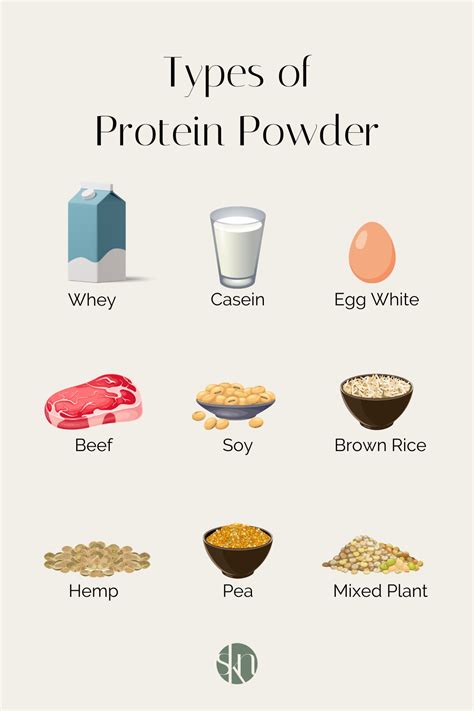
Boba tea protein powder can include various types of protein depending on the formulation and the brand. These powders come in various flavors, such as classic milk tea, matcha, and fruit-infused options.
Protein Powder Formulations and Texture
The texture and solubility of boba protein powder can vary depending on the protein sources and formulation used in the product.
- Smoothness: Boba protein powder, especially those made with whey or plant-based proteins like pea or rice, often has a smooth and creamy texture when mixed into liquids like water or milk.
- Thickening: Some boba protein powders may have thickeners or emulsifiers added to mimic the rich, milk-tea texture of boba drinks.
- Graininess: If the powder contains plant proteins, there may be a slight graininess, as some plant proteins like rice or hemp can be less refined than whey.
When considering different protein sources:
- Whey Protein-Based Powders: Whey protein is highly soluble in liquids, meaning that it dissolves quickly and easily, leaving little to no residue or clumping.
- Plant-Based Protein Powders: Plant-based proteins, like pea or brown rice protein, tend to be less soluble than whey, which can lead to some grittiness or clumping if not mixed properly.
The nutritional profile of boba protein powder can vary based on the brand and ingredients used. However, a typical boba protein powder will contain a blend of proteins along with flavors and possibly added nutrients to mimic the taste of traditional boba tea.
Health Benefits of Protein-Enriched Boba Tea
Adding protein to boba tea can offer several health advantages:
Weight Management and Satiety
Adding protein to boba tea can help support weight loss by increasing satiety and reducing overall calorie intake. High-protein diets have been shown to reduce hunger and increase feelings of fullness.
Muscle Health and Recovery
Protein is the building block of muscle tissue, making protein-enriched boba tea an excellent option for muscle repair and growth post-exercise.
Digestive Health
Certain proteins, such as those from whey, can positively affect gut health. Proteins improve digestion by supporting the growth of beneficial gut bacteria, as shown in a study in Trends in Food Science & Technology.
Appetite Regulation
Protein has been proven to reduce cravings, particularly for sugary foods, by regulating appetite hormones like ghrelin.
Sustained Energy Levels
Protein plays a key role in energy metabolism. Ingesting protein-enriched beverages like boba tea can help maintain stable blood sugar levels, providing sustained energy throughout the day.
Nutrient Provision
Protein-enriched boba tea can provide essential nutrients such as amino acids that are critical for overall health.
Cholesterol and Blood Sugar Regulation
Boba tea protein has been associated with lowering cholesterol levels, primarily due to the protein content. Protein helps to regulate blood sugar by slowing down the absorption of carbohydrates, preventing spikes in glucose levels.
Bone Health
Protein plays a vital role in bone health. Studies have shown that higher protein intake helps improve calcium absorption and supports bone formation. This is particularly important for individuals at risk of osteoporosis.

Potential Considerations for Boba Protein Drinks
While beneficial, boba protein drinks also have some potential drawbacks to consider:
- High Caloric Content: Many boba protein drinks can be high in calories due to the addition of sweeteners, flavored powders, and boba pearls.
- Added Sugars: Boba drinks often contain significant amounts of added sugars, especially if flavored syrups are included.
- Limited Nutritional Value: While they provide protein, boba protein drinks may lack essential vitamins and minerals, depending on the protein source and other ingredients used.
Preparing Protein-Enriched Boba Drinks
Protein-enriched boba tea is more than just a tasty drink; it offers numerous health benefits. From supporting weight loss and muscle building to enhancing digestion and improving skin health, protein plays a critical role in maintaining overall well-being.
For a specific preparation method, consider the following instructions for a Japanese Soda Collagen product:
- Step 1: Add 16 grams (one scoop) of Japanese Soda Collagen to 6oz of water. Using up to 8oz of water is fine, but adding more water may not leave enough room for carbonation and could make your shaker overflow. Using more than one scoop of powder may also cause your shaker to overflow.
- Step 2: Shake it up, but only for about 3 seconds-no more, no less! If you're using a shaker bottle, point the opening away from you - there will be a pop from the carbonation when you open it.
- Step 3: Drink JUST BEFORE the foam fully settles for the perfect balance of flavor and carbonation.
It is recommended to use 6oz of water with a little less than one scoop of Japanese Soda Collagen. Only shake for about 3 seconds-no more, no less! If you're using a shaker bottle, point the opening away from you, as there will be a pop from the carbonation when you open it. Drink just before the foam fully settles for the perfect balance of flavor and carbonation.