Newborn skin is exceptionally delicate and requires special care to maintain its health and hydration. After nine months in the womb, a baby's skin needs time to adjust to the drier external environment. This transition can leave their thin skin sensitive, making regular nourishment with a high-quality baby lotion essential. Experts suggest that simpler formulas are often better for babies, with the best lotions containing a combination of gentle ingredients that hydrate and support the skin barrier.
The Importance of Baby Skin Barrier
In the womb, babies are protected by a ceramide-rich coating called the vernix caseosa, which aids in the development of their skin barrier. This protective layer is lost soon after birth, which can lead to dryness and peeling. Lipids, such as ceramides, are crucial components of the skin's outermost layer, making up to 50% of its lipids. They fill the spaces between skin cells, enabling the skin to retain moisture and prevent impurities from entering.
Ceramide-rich moisturizers are vital for soothing dry skin and maintaining the skin's natural barrier function. Ingredients like niacinamide, known for being gentle and well-tolerated by sensitive skin, and hyaluronic acid, which naturally occurs in the body and skin to maintain moisture balance, are highly beneficial. Hyaluronic acid attracts and retains water, providing surface hydration without a heavy or greasy feel, making it suitable for sensitive baby skin.
What to Look for in a Baby Lotion
When selecting a baby lotion, several factors are important to consider to ensure it is safe and effective for your little one's delicate skin. A baby's skin is structurally and functionally different from an adult's; it has a reduced ability to regulate moisture and a thinner outer layer that provides protection. Therefore, baby lotions should focus on providing moisturizing and hydrating ingredients that specifically support a developing skin barrier.
Key Beneficial Ingredients
- Calendula: Also known as marigold, calendula has been used for centuries in skincare for its soothing, antioxidant, and mild anti-inflammatory properties. It can be comforting for dry or irritated skin.
- Shea Butter: This rich ingredient is packed with essential fatty acids and vitamins A, E, and F, making it excellent for maintaining the skin's moisture barrier and softening dry skin. It creates a protective layer on the baby's skin.
- Coconut Oil: Known for its versatility, coconut oil revitalizes skin, restores suppleness, and improves the appearance of dry skin. It's found in various baby care products, including diaper creams and sun care.
- Chamomile: This ingredient is refreshing, purifying, and soothing, making it ideal for calming dry skin. It helps restore suppleness and improve skin's appearance.
- Olive Oil: A natural emollient and skin softener, olive oil contains essential healthy fats like oleic, palmitic, and linoleic acids. It is also rich in antioxidants, such as vitamin E, polyphenols, and phytosterols, which help keep skin smooth and supple.
- Blueberry Leaves: Rich in vitamins and minerals, blueberry leaves offer remarkable soothing and protective properties, ideal for shielding even the most delicate skin.
- Oat Extract: This ingredient improves the appearance of dry skin and restores suppleness. It helps maintain the skin in good condition and is often found in deep moisturizing creams.
- Avocado Oil: Beneficial for skin, avocado oil restores suppleness, maintains good skin condition, and preserves hydration. It is non-greasy, easily absorbed, and nourishes the skin while protecting its barrier.
- Glycerin: A humectant recommended by dermatologists, glycerin draws moisture into the outer layer of the skin, helping to keep it hydrated.
- Ceramides (e.g., Ceramide NP): Essential for strengthening the skin barrier, ceramides help the skin retain moisture and protect against external irritants.
- Squalane: A lightweight and stable moisturizing ingredient, squalane softens and smooths the skin without a greasy feel. It is modeled after a natural component of our skin's oils and is well-tolerated by sensitive infants.
- Zinc Oxide: An effective mineral used in diaper creams and sunscreens, zinc oxide forms a physical barrier to protect delicate skin from moisture and deflect UVA/UVB rays.
Ingredients to Avoid
While many ingredients are beneficial, some can pose risks to a baby's sensitive skin or the environment. It's advisable to avoid certain substances:
- Phenoxyethanol and Polysorbates: These preservatives can sometimes be combined with ethylene oxide, leading to the byproduct 1,4-dioxane.
- Ethoxylated Ingredients (PEG, Polysorbate): Look for terms like PEG and polysorbate on labels, often followed by a number (e.g., polysorbate 20 or PEG-40). These indicate ethoxylation, which can result in 1,4-dioxane.
- Dimethicone and Carbomer: While generally considered safe for topical use, opting for lotions without these can be friendlier to the environment. Carbomer is primarily a concern when inhaled.
- Fragrance: Companies are not required to disclose specific fragrance ingredients due to trade secret laws. Fragrance-free formulations are recommended, especially for babies, to avoid potential irritants and mystery ingredients.
- Mineral Oil, Petrolatum, and Paraffin: These ingredients can potentially be contaminated with cancer-linked substances and pose environmental risks.
- Dyes: Ingredients like FD&C and D&C followed by a number (e.g., FD&C Yellow No. 5) should be avoided as they offer no benefit and can be irritating.
Safety and Testing of Baby Lotions
Consumer Reports, in partnership with Made Safe, has tested baby lotions for toxic contaminants such as lead, 1,4-dioxane, and PFAS, with generally reassuring results for many products. However, other problematic substances can still be present. It's important to note that a baby's skin is more permeable than an adult's, making the choice of ingredients even more critical. Dermatologists emphasize the importance of ingredients that support the skin barrier and provide hydration.
Some adult lotions may contain similar ingredients to baby lotions but at lower concentrations. While baby lotions aren't always intended for daily use, they are particularly useful when skin is dry. Most baby lotions are also safe for the entire family, provided they are labeled as all-purpose and not for treating specific conditions like cradle cap or diaper rash.
Choosing the Right Baby Lotion
The market offers a variety of baby lotions, each with unique benefits. When selecting a product, consider your baby's specific skin needs, such as dryness, sensitivity, or eczema-prone skin. Many brands are developed by dermatologists and adhere to strict safety and ingredient standards.
Recommended Baby Lotions
- Earth Mama Simply Non-Scents Baby Lotion: Praised for its silky texture, long-lasting hydration, and gentle, soothing ingredients like calendula and aloe vera. It has the National Eczema Association Seal of Acceptance.
- Pipette Baby Lotion: A lightweight, fragrance-free option ideal for daily moisturizing of normal baby skin. It contains squalane, ceramide NP, and glycerin to support the skin barrier and hydrate without greasiness.
- Mustela’s Soothing Moisturizing Face Cream: Specifically designed for the face, this cream is fragrance-free and EWG-verified. It effectively hydrates dry patches with glycerin and avocado extract, and contains schisandra to help improve the skin barrier.
- The Honest Company’s Lotion: Offers a great value with an EWG-verified, fragrance-free formula packed with nourishing ingredients like aloe vera and shea butter. It's moisturizing for both face and body.
- Mustela’s Stelatopia+ Lipid-Replenishing Cream: Formulated for extremely dry and eczema-prone sensitive skin, this cream features lipid-replenishing sunflower oil distillate and prebiotic bioecolia to help alleviate eczema symptoms. It is fragrance-free and has NEA Seal of Acceptance and EWG verification.
- Babo Botanicals Sensitive Baby Soothing Miracle Balm: An excellent choice for babies with dry patches, this balm is thick enough to lock in moisture. It contains organic ingredients like shea butter, jojoba oil, and beeswax to support the skin barrier and hydrate effectively.
- Tubby Todd’s Every Day Lotion: A rich, creamy formula that is deeply hydrating and barrier-strengthening, suitable for all-over dryness. It contains glycerin, shea butter, and avocado oil to lock in moisture.
- JOHNSON’S® Baby Lotion: This lotion contains coconut oil and skin-nurturing glycerin to nourish and protect baby's skin from dryness, providing 24-hour moisturization. It is hypoallergenic, pH balanced, and pediatrician and dermatologist-tested, free from parabens, phthalates, and dyes.
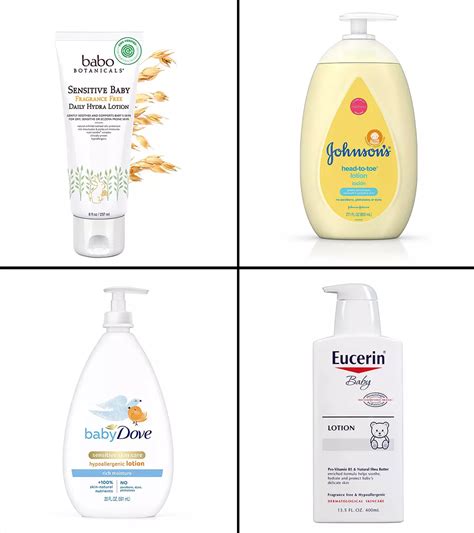
When introducing any new product to your baby's skin, it's always recommended to perform a patch test first to check for any adverse reactions. Consistent use of a high-quality, gentle baby lotion can significantly contribute to keeping your baby's skin happy, healthy, and well-hydrated.