Plantar warts are a common and often bothersome condition, particularly affecting children, teens, and individuals with weakened immune systems. They thrive in warm, damp environments and can enter the body through small breaks in the skin. While not a serious health threat, warts can be painful and disruptive. Although they may eventually resolve on their own, many people seek treatment to expedite their removal. However, a common concern is whether warts can return even after successful treatment.
The Persistence of the Human Papillomavirus (HPV)
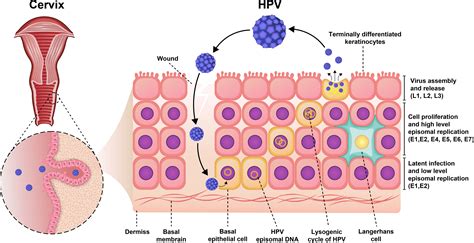
Warts are caused by the human papillomavirus (HPV). This virus is widespread and can remain dormant in the body's tissues for extended periods, even after a visible wart has been treated and removed. The persistence of HPV is the primary reason why warts can reappear.
When a wart is treated, the visible growth is eliminated, but the HPV virus may still be present in the surrounding skin cells. This virus can lie dormant for months or even years before reactivating. While the immune system typically fights off HPV within one to two years, until it's fully eradicated, warts can re-emerge in the same spot or nearby areas.
Several factors can contribute to the reactivation of HPV, including stress, fatigue, illness, and a weakened immune system. These elements can play a role in allowing the virus to become active again and cause new wart growth.
Reasons for Wart Recurrence
There are several key reasons why warts may grow back after treatment:
Incomplete Removal
Some warts have deep roots that extend beneath the skin's surface. If the treatment does not completely remove all infected tissue, the wart can regrow from the remaining virus particles. This is particularly common with plantar warts on the feet, which can be stubborn and challenging to eliminate entirely.
Reinfection
It is possible to develop new warts by coming into contact with HPV again. The virus spreads through direct skin contact or by touching contaminated surfaces such as locker room floors or shared towels. If you are exposed to HPV after your wart has been removed, a new wart may appear.
Breaking or Cutting Warts
Attempting to remove warts yourself by cutting or ripping them off can be problematic. This practice can lead to infection and, in some cases, worsen the condition. Breaking open an existing plantar wart can cause new warts to appear in the surrounding areas. Professional wart removal is considered the most effective way to get rid of warts and minimize the risk of regrowth.
Treatment Options and Their Effectiveness
Various treatment options are available for warts, and their effectiveness can influence the likelihood of recurrence. Over-the-counter products, such as salicylic acid, can be effective, especially for smaller warts, but may require consistent application over months to prevent recurrence. Prescription-strength medications work by peeling away the layers of the wart.
More advanced treatments include:
- Cryotherapy (freezing): This method has recurrence rates ranging from 12-18% within three months. Multiple treatments may be necessary for complete removal.
- Laser treatment: This approach generally shows lower recurrence rates, particularly for genital warts, and tends to remove warts more completely in fewer sessions.
- Surgical removal: While more invasive, surgery is often the most effective option for recurring warts.
- Swift therapy: This treatment works by stimulating the body's immune system to fight off the wart-causing virus. While highly effective, it cannot guarantee permanent immunity.
It is important to note that some sources indicate that 20-30% of warts return after treatment, with recurrence rates varying depending on the specific removal method used.
Preventing Wart Recurrence
While it's impossible to guarantee that warts will never return, several strategies can help reduce the risk of future outbreaks:
- Treat warts early: If you notice a wart forming, seek professional treatment promptly. Early intervention can prevent the virus from spreading to surrounding tissues.
- Practice good hygiene: Wash your hands frequently, especially after touching warts. Avoid picking, scratching, or biting at warts, as this can spread the virus.
- Keep skin dry: Moisture creates an environment where HPV thrives. Dry your feet thoroughly and change socks regularly, particularly if you are prone to plantar warts.
- Protect your feet in public areas: Wear footwear, such as flip-flops, in locker rooms, public showers, and pool areas to avoid contact with HPV.
- Avoid sharing personal items: Do not share shoes, socks, towels, razors, or other personal items that come into contact with skin.
- Cover cuts and scrapes: Keep any cuts or abrasions covered with a bandage to prevent them from becoming infected with HPV.
- Boost your immune system: Maintaining overall health through adequate sleep, proper nutrition, and stress management can help your body's immune system fight off HPV more effectively.
- Consider vaccination: The HPV vaccine can help protect against certain strains of the virus.
When to Consult a Healthcare Professional
It is advisable to consult a dermatologist or podiatrist if:
- A wart returns after treatment, especially if it recurs multiple times.
- You have warts on sensitive areas like the face or genitals.
- Warts are painful, bleeding, or show signs of infection.
- You have a weakened immune system, which increases the risk of recurrence.
- Warts are spreading rapidly or not responding to home treatments.
A healthcare professional can recommend more aggressive treatment options, such as prescription medications, laser therapy, or immunotherapy, to help prevent recurrence and clear stubborn warts.