Tretinoin, a derivative of vitamin A and a potent topical retinoid, is widely recognized for its efficacy in treating various skin conditions, including acne vulgaris, skin aging, and certain types of cancer. Its primary mechanism involves stimulating skin cell turnover, which helps to clear pores, regulate sebum production, and reduce inflammation. While primarily known for its acne-fighting capabilities, tretinoin also shows significant promise in addressing the persistent concern of acne scars and post-inflammatory hyperpigmentation.
The appearance of acne scars can be a frustrating aftermath of breakouts, impacting skin texture and tone. Tretinoin's ability to accelerate skin regeneration and boost collagen production makes it a valuable tool in minimizing the visibility of these scars. By promoting the growth of new skin cells at scar sites, tretinoin can help to smooth the skin's surface and reduce the concavity of atrophic scars.
Understanding Tretinoin's Benefits for Acne Scars
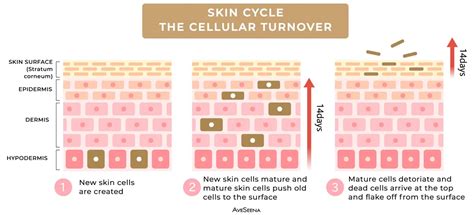
Accelerated Skin Cell Turnover
Tretinoin works by significantly increasing the rate at which skin cells shed and are replaced by new ones. This process of rapid cell turnover helps to bring newer, healthier skin cells to the surface more quickly. As a result, damaged skin cells contributing to scarring, fine lines, wrinkles, and dark spots are shed more efficiently, leading to a smoother and more even skin texture over time.
Boosted Collagen Production
Beyond accelerating cell turnover, tretinoin also stimulates the skin's natural production of collagen. Collagen is a crucial protein that provides structure, firmness, and elasticity to the skin. By increasing collagen levels, tretinoin can help to fill in the shallow depressions characteristic of atrophic acne scars, improving their appearance and contributing to a more rejuvenated look.
Treatment of Post-Inflammatory Hyperpigmentation (PIH)
Breakouts can often leave behind flat, discolored marks known as post-inflammatory hyperpigmentation (PIH). Tretinoin is highly effective in lightening these dark spots. It achieves this by inhibiting melanosome transfer to keratinocytes and reducing epidermal pigmentation through accelerated epidermal turnover. Studies indicate that noticeable fading of PIH can occur within 4 weeks, with significant improvement observed over 3 to 6 months of consistent use.
Types of Acne Scars and Tretinoin's Effectiveness
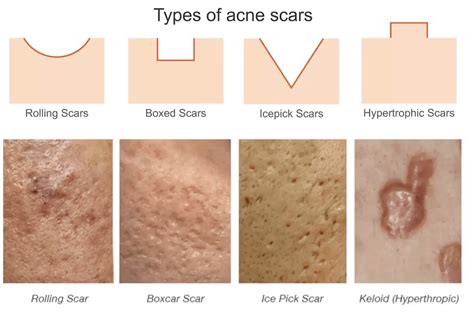
Not all acne scars respond to tretinoin with the same degree of effectiveness. Understanding the different types of scars can help set realistic expectations for treatment outcomes.
Scars That Respond Well to Tretinoin
- Post-Inflammatory Hyperpigmentation (PIH): Tretinoin is particularly effective for fading dark spots and discoloration left by acne.
- Shallow Atrophic Scars: Superficial indented scars, including some icepick scars (small, deep holes), show moderate improvement with tretinoin. Research suggests that newer scars and shallower depressions respond best.
Scars That May Require Additional Treatments
Deeper and more severe types of acne scars often require a combination of treatments for optimal results. These include:
- Deep boxcar scars
- Rolling scars
- Severe atrophic scarring
For these types of scars, tretinoin may be used as an adjunct therapy alongside professional procedures such as microneedling, laser therapy, or dermal fillers.
How to Use Tretinoin for Acne Scars
Consistent and correct application of tretinoin is crucial for achieving the best results. It is important to follow your doctor's instructions and to be patient, as visible improvements can take time.
Application Guidelines
- Start Slowly: Begin by applying tretinoin 2-3 times a week, gradually increasing to nightly use as your skin builds tolerance.
- Clean and Dry Skin: Apply tretinoin to clean, completely dry skin. Wait 20-30 minutes after washing before application to prevent increased irritation.
- Pea-Sized Amount: Use only a small, pea-sized amount for the entire face. Applying more will not speed up results and can increase irritation.
- Nighttime Application: Tretinoin is best applied at night, as it can break down in sunlight and make the skin more sensitive to UV exposure.
- Moisturize: Use a gentle, fragrance-free moisturizer to manage dryness and irritation. You may apply moisturizer after tretinoin or buffer it by applying moisturizer before tretinoin if irritation is significant.
- Daily Sunscreen: Always use a broad-spectrum sunscreen with at least SPF 30 daily, even on cloudy days, to protect your skin from sun sensitivity.
Patience and Consistency
Visible improvements with tretinoin for acne scars typically appear over several months. Initial results for dark spots may be seen in 2-4 weeks, with more noticeable improvements in skin tone and texture appearing within 6-12 weeks. Significant fading of hyperpigmentation and scar improvement often requires 3-6 months of consistent daily use, with maximum benefits typically achieved after 6-12 months.
Top Tretinoin Tips! 5 Ways To Use Tretinoin Without Irritation!
Potential Side Effects and Precautions
During the initial adjustment period, known as "retinization," users may experience common side effects. These are typically temporary and indicate that the skin is adapting to the medication.
Common Initial Side Effects
- Dryness and flaking
- Redness and mild irritation
- Increased skin sensitivity
- Temporary acne flare-up ("skin purging")
- Itching or burning sensation
These side effects usually subside within 2-6 weeks. If irritation becomes severe, reduce application frequency or consult your doctor.
Important Precautions
- Sun Sensitivity: Tretinoin makes the skin more susceptible to sunburn. Strict sun protection is essential.
- Avoid Harsh Products: Initially, avoid using other harsh skincare products, such as exfoliants, astringents, or products containing alcohol, which can exacerbate irritation.
- Pregnancy and Breastfeeding: Tretinoin is not recommended for use during pregnancy or breastfeeding due to potential risks.
- Other Medical Conditions: Use with caution if you have conditions like eczema or are sensitive to sunlight.
Tretinoin vs. Other Treatments
Tretinoin offers distinct advantages and considerations when compared to other topical retinoids and scar treatments.
Tretinoin vs. Retinol
Tretinoin is significantly more potent and effective than over-the-counter retinol for treating acne scars. Tretinoin is the active form of vitamin A and works immediately, whereas retinol must be converted to retinoic acid in the skin. Tretinoin's superior collagen-stimulating properties make it the preferred choice for scar treatment, although it requires a prescription.
Tretinoin vs. Adapalene
Both tretinoin and adapalene (available over-the-counter as Differin) can help with acne scars. Adapalene is generally less irritating and more accessible. However, tretinoin often provides superior collagen stimulation, potentially leading to better results for moderate scarring. Adapalene can be a good starting point for mild scars.
Tretinoin and Professional Treatments
For deeper or more severe acne scars, tretinoin can be used in conjunction with professional procedures. Combining topical tretinoin with treatments like microneedling, laser therapy, or chemical peels can offer a more comprehensive approach to scar revision.
When to Consult a Dermatologist
Consulting a dermatologist is recommended for several reasons:
- To accurately diagnose the type of acne scars and determine the most effective treatment plan.
- To obtain a prescription for tretinoin and discuss the appropriate strength for your skin.
- If over-the-counter treatments have not yielded satisfactory results after 3 months.
- To discuss combining tretinoin with professional in-office procedures for more significant scarring.
- If you experience severe irritation or side effects from tretinoin.
A dermatologist can assess your individual needs and create a personalized treatment strategy to improve the appearance of your acne scars.