Living with eczema, also known as atopic dermatitis, can present significant challenges. Unpredictable flare-ups characterized by intense itching, swelling, and skin lesions can negatively impact daily activities, mood, and self-confidence. It is crucial to understand that eczema is a chronic inflammatory condition that can persist for many years, even when visible symptoms subside.
While it may seem that treatment is only necessary during flare-ups, inflammation remains active beneath the skin, and individuals can enter periods of remission. For many children diagnosed with eczema before the age of 2, their immune systems develop resistance to common allergens, leading to the resolution of eczema symptoms. Others may experience remission by adolescence, around the age of 12.
However, it is important to note that eczema can also be diagnosed in adulthood. Navigating daily life with adult-onset eczema can be difficult, with flares varying in intensity but often involving discomfort, itching, and sometimes pain. Adults may also face self-confidence issues stemming from concerns about their skin's appearance, and regular activities like sleeping or working can be interrupted.
Understanding Eczema: Causes and Triggers
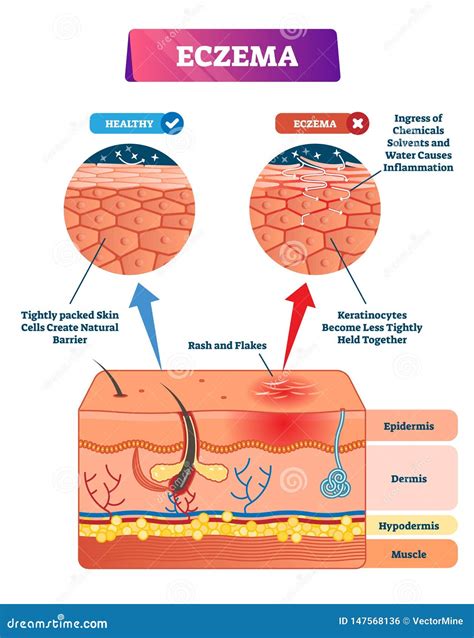
The exact cause of eczema is not fully understood, but it is believed that variations in specific genes play a role in the skin's compromised ability to protect itself from irritants. This can lead to a reduced barrier function, with approximately half of individuals with eczema having a difference in a skin protein called filaggrin.
Eczema flare-ups can be triggered by both environmental and emotional factors. Keeping a diary to track when symptoms begin to appear can be beneficial. Common triggers include:
- Seasonal allergies, particularly during Spring and Fall.
- Hormonal fluctuations, such as those experienced during puberty, pregnancy, or menopause.
- Certain environmental factors and emotional stressors.
It is important to identify and avoid personal triggers, as what affects one person may not affect another. Even when the skin appears clear, underlying inflammation can persist.
Can Children Outgrow Eczema?
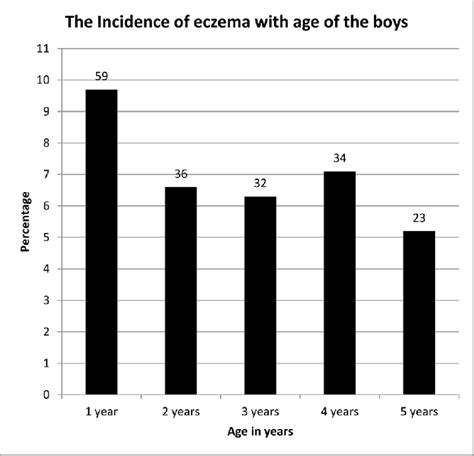
Research suggests that a significant number of children with eczema do eventually outgrow the condition. One large review of studies involving over 110,000 participants indicated that approximately 80% of children with atopic dermatitis outgrew it by age 8, with less than 5% still experiencing symptoms 20 years after diagnosis.
However, some health experts express caution regarding these statistics. Factors such as an overestimated prevalence of eczema and a lack of long-term follow-up into adulthood might lead to an underestimation of persistent eczema cases. While symptoms often lessen or subside as children age, the exact reasons why the condition resolves for some but remains lifelong for others are still being studied.
Certain factors have been associated with persistent eczema into later life. These include:
- Race
- Lower income
- Exposure to environmental triggers
- Presence of other atopic conditions
- Later onset of the disease
- More severe symptoms
- Treatment-resistant symptoms
Eczema in Adulthood
While many children may outgrow eczema, a substantial portion of individuals continue to experience symptoms into adolescence and adulthood. Eczema can also manifest for the first time in adulthood, sometimes for reasons that are difficult to determine. As individuals age, their skin naturally becomes drier, potentially leading to roughness, scaling, and itchiness.
In women, declining estrogen levels during menopause can alter the skin, making it more susceptible to eczema. Specific types of eczema, such as varicose eczema and asteatotic eczema, are more common in older adults.
- Varicose eczema typically affects the lower legs due to venous insufficiency, leading to thin, fragile skin that can break down and form ulcers.
- Asteatotic eczema, often seen in older individuals, commonly affects the shins and is characterized by very dry, rough, and scaly skin, sometimes resembling a dried-up riverbed. This can be exacerbated by warm, dry home environments.
Adults with eczema may experience challenges with self-confidence and interruptions to their daily routines. Identifying and managing triggers, along with consistent skincare, is crucial for managing the condition effectively.
Managing Eczema: Treatment and Lifestyle Adjustments
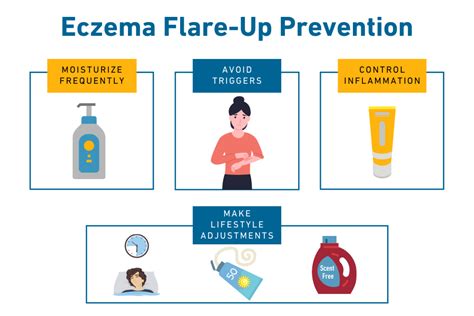
Although there is currently no permanent cure for eczema, it can be effectively managed with a combination of daily skincare, trigger avoidance, medical treatments, and lifestyle adjustments. Consistent moisturization, careful environmental management, and medical support can significantly minimize symptoms and improve the quality of life.
Key Management Strategies Include:
- Daily Skincare: Applying emollients (creams, ointments, moisturizers) regularly is essential to keep the skin hydrated and protected. It is advisable to use gentle, fragrance-free products. Ointments are the greasiest and often most effective for very dry skin. If one emollient doesn't suit your skin, try another, as different products work for different people.
- Trigger Avoidance: Identifying and minimizing exposure to personal triggers is paramount. Keeping a journal can help track symptoms and identify patterns.
- Medical Treatments:
- Topical Steroids: These are a first-line treatment for inflammation.
- Medications: Topical, oral, and injectable medications like antihistamines, hydrocortisone, or other steroids can help manage symptoms and reduce flare-up risk. Antibiotics may be used for complications.
- Phototherapy (Light Therapy): This treatment involves exposing the skin to ultraviolet light to decrease inflammation, particularly beneficial for severe eczema affecting different skin areas.
- Lifestyle Adjustments: Strategies such as dietary changes and stress management can be beneficial.
When bathing or showering, limit time to 10-15 minutes and avoid harsh soaps, opting for emollient wash products or leave-on emollients as soap substitutes. Vigorous toweling should also be avoided. To improve blood circulation in cases of varicose eczema, elevating legs when resting and increasing walking are recommended.
Seeking emotional support through counseling services can be helpful if stress is a significant trigger. Partnering with a knowledgeable allergist or dermatologist is crucial for specialized care and treatment tailored to individual needs.
The Importance of Treatment
If left untreated, eczema symptoms such as itchiness, redness, discoloration, or pain can worsen and spread to other areas of the skin. Over time, this can lead to skin damage and increase the risk of infections (bacterial, viral, or fungal). Untreated eczema can also interfere with daily hygiene activities, significantly impacting quality of life and mental health.
While research continues to advance, offering new treatment possibilities for atopic dermatitis, consistent management and proactive care are key to living well with eczema, regardless of age.