It's common to experience a painful bump or tiny blister near your lips and wonder whether it's a cold sore or a pimple. Many people confuse the two because both can cause redness, swelling, and discomfort around the mouth area. Understanding the difference between a cold sore and a pimple can help you manage symptoms faster and prevent future flare-ups.
What is a Cold Sore?
Cold sores, also known as fever blisters or oral herpes, are caused by the Herpes Simplex Virus Type 1 (HSV-1). This virus is highly contagious and typically occurs on or around the lips. Once you contract HSV-1, it remains dormant in your body and can reactivate periodically, leading to outbreaks. The virus spreads through close contact, such as kissing, sharing utensils, razors, or towels, and can even be transmitted asymptomatically.
The prevalence of HSV-1 is high, affecting a significant portion of the adult population worldwide, though many remain asymptomatic. Triggers for cold sore outbreaks can include:
- Sun exposure
- Hormonal fluctuations
- Illness or weakened immune system
- Stress (emotional or physical)
- Changes in diet
- Trauma to the mouth area
Early Signs and Progression of Cold Sores
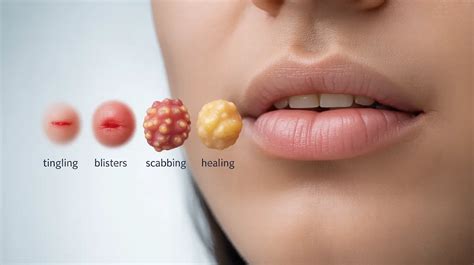
Often, cold sores are preceded by a tingling, itching, or burning sensation in the affected area, known as the prodromal phase. This occurs as the virus travels down the sensory nerves to the skin cells. Following this initial sensation, fluid-filled blisters typically appear, sometimes in clusters. These blisters will eventually burst, leading to an ulcer or weeping stage, followed by crusting and scab formation. The entire healing process for a cold sore usually takes about 7-10 days, although the first outbreak can sometimes be more intense and take longer to heal.
What is a Pimple?
Lip pimples, in contrast to cold sores, are caused by blocked pores or hair follicles. This blockage is usually due to a buildup of excess oil (sebum), dead skin cells, dirt, or bacteria, such as Propionibacterium acnes. Pores and oil glands at the lip border can become clogged, leading to inflammation and the formation of a pimple, which often fills with pus.
Common triggers for pimples around the lip area include:
- Hormonal fluctuations
- Irritation from harsh toothpaste ingredients (e.g., sodium lauryl sulfate)
- Heavy lip products or makeup
- Poor hygiene
- Food residue
- Lip biting or chewing habits
Pimple Characteristics
Pimples can manifest as whiteheads or blackheads. Whiteheads are closed plugged pores filled with pus, while blackheads are open plugged pores where the contents oxidize and turn black. Unlike cold sores, pimples do not typically begin with a tingling or burning sensation. While pimples can be tender and cause discomfort, they lack the characteristic prodromal symptoms of cold sores.
Distinguishing Between Cold Sores and Pimples
While cold sores and pimples can share some visual similarities, several key differences can help you distinguish between them:
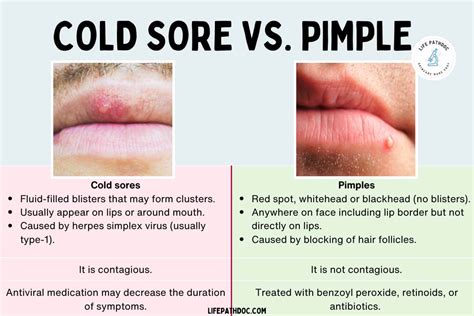
- Prodromal Symptoms: Cold sores often begin with a tingling, itching, or burning sensation, which pimples generally do not exhibit.
- Location: While both can appear on or around the lips, cold sores are caused by a virus that affects the mouth area. Pimples, caused by clogged pores and oil glands, are less likely to form directly on the skin of the lip itself, as lips lack oil glands and hair follicles. Pimples are more common just outside the lip line.
- Appearance: Cold sores typically start as fluid-filled blisters, often in clusters, and can have a larger area of surrounding redness and inflammation. Pimples are usually singular red bumps, which may develop a whitehead or blackhead.
- Cause: Cold sores are viral (HSV-1), while pimples are bacterial and due to clogged pores.
If you are unsure about the nature of the bump, seeking a professional examination is the safest approach.
Can You Pop a Cold Sore Like a Pimple?
No, you absolutely should not attempt to pop a cold sore. Popping or squeezing a cold sore can worsen inflammation, push bacteria deeper into the skin, increase the risk of infection, and potentially lead to scarring. Unlike a pimple, a cold sore is a viral lesion, and traumatizing it can spread the virus, prolong healing, and leave a permanent mark.
Similarly, while popping pimples is also generally discouraged by dermatologists due to the risk of scarring and infection, the consequences of popping a cold sore are more severe due to its viral nature and contagiousness.
Treatment Differences
The treatment for cold sores and pimples differs significantly due to their distinct causes:
Cold Sore Treatments
- Antiviral Medications: These are the primary treatment for cold sores. Over-the-counter options like docosanol (Abreva) can help shorten healing time when applied at the first sign of symptoms. Prescription antiviral medications such as acyclovir, famciclovir, valacyclovir, and penciclovir can also be prescribed to reduce severity and duration.
- Supportive Care: Lip balms with sunscreen can help prevent sun exposure, a common trigger. Cold compresses may reduce swelling and discomfort.
- Prevention: Avoiding known triggers, practicing good hygiene, and using lip balms with SPF are crucial preventive measures.
Dermatologist explains causes of cold sores
Pimple Treatments
- Acne Treatments: Pimples are typically treated with topical skincare products containing ingredients like benzoyl peroxide (to kill bacteria) and salicylic acid (to exfoliate). Topical retinoids and, in more severe cases, oral medications like isotretinoin may also be used.
- Skincare Routine: Gentle cleansing twice daily with a mild cleanser and daily moisturizing with non-comedogenic, oil-free products can help prevent and manage pimples.
- Prevention: Opting for non-comedogenic lip products, maintaining good facial hygiene, and avoiding harsh ingredients in toothpaste can help prevent lip pimples.
How Long Do They Last?
Cold sores typically last about 7-10 days from the initial symptoms to complete healing. The first outbreak may take longer, up to three weeks. Subsequent outbreaks are often shorter.
Pimples generally have a shorter life cycle, often lasting a few days to a week. However, they can recur frequently depending on individual factors like genetics and hormones.
Prevention Strategies
Preventing both cold sores and pimples involves similar healthy habits:
- Maintain good hygiene: Keep the lip and facial area clean.
- Moisturize daily: Use gentle, non-comedogenic moisturizers.
- Protect from the sun: Use broad-spectrum SPF 30+ lip balm daily.
- Avoid irritants: Choose mild skincare and lip products.
- Do not pick or squeeze: Resist the urge to touch or pick at any bumps to prevent spreading bacteria or viruses.
- Manage stress: Stress can be a trigger for both conditions.