A sunburn is a clear indication of skin damage caused by overexposure to ultraviolet (UV) radiation. While the immediate concern is the discomfort and redness, many wonder if a sunburn can eventually turn into a tan. The answer is complex and depends on various factors, primarily your skin type and the extent of the initial damage.
Understanding Sunburn and Tanning
It's crucial to understand that both tanning and sunburn are signs of skin damage. A tan is the skin's response to injury from UV radiation, triggered by increased melanin production. A sunburn is a more severe form of this injury, damaging the outer layers of the skin.
The Science Behind Tanning and Sunburn
UV radiation from the sun damages skin cells. Your body's immune system responds by increasing blood flow to the affected areas, causing redness and warmth. Simultaneously, damaged cells release chemicals that can lead to pain. This response typically appears within 6 to 48 hours after sun exposure.
Following this initial damage, your body attempts to protect itself from further harm by increasing the production of melanin, the pigment responsible for skin, hair, and eye color. If your skin type is capable of tanning, this increased melanin production will darken your skin within 48 hours of sun exposure.
Degrees of Sunburn
The severity of a sunburn is determined by the depth of the burn:
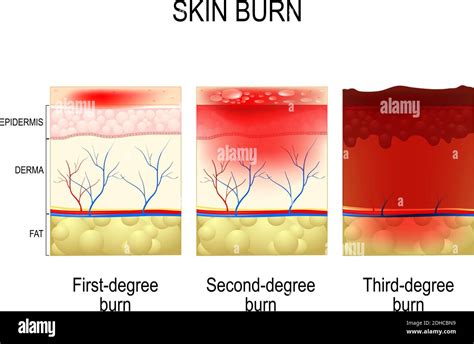
- First-degree burns: Damage the outer layer of skin (epidermis), causing pain, redness, and swelling (erythema).
- Second-degree burns: Damage the epidermis and the inner layer, the dermis, leading to erythema and blistering.
- Third-degree burns: Extend into the hypodermis, causing full-thickness skin destruction and potential nerve damage (numbness).
Will a Sunburn Turn into a Tan?
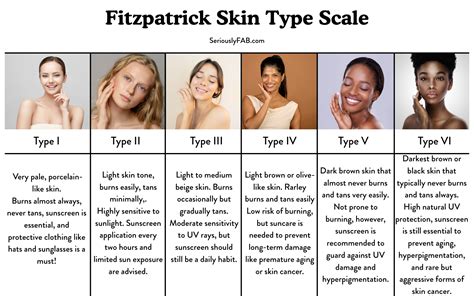
Whether a sunburn fades into a tan depends significantly on your Fitzpatrick skin type (FST). This scale classifies skin based on its color, hair color, and eye color to estimate how it will react to sun exposure.
Fitzpatrick Skin Type Scale
The FST scale ranges from 1 to 6:
| FST | Skin Tone | Sun Exposure Reactions |
|---|---|---|
| 1 | Very light, fair skin | Always burns, never tans |
| 2 | Light, fair skin | Usually burns, minimal tanning |
| 3 | Darker white to light brown skin | Sometimes burns, slowly tans |
| 4 | Medium brown skin | Rarely burns, tans easily |
| 5 | Dark brown skin | Seldom burns, tans deeply and easily |
| 6 | Deep brown or black skin | Never burns, always gets a deep tan |
If your skin type is not prone to tanning (FST 1 or 2), a sunburn will likely peel away, and your skin will return to its original tone. However, the damaged area might temporarily appear pinker or darker as new skin forms.
For individuals with skin types that can tan (FST 3 and above), a sunburn might eventually develop into a tan. However, it's important to remember that even a tan is a sign of skin damage. The skin darkening that occurs after a sunburn is due to increased melanin production, an attempt by the body to protect itself from further UV damage.
The Risks of Sun Exposure and Tanning
It is essential to understand that there is no such thing as a "healthy tan." Both sunburns and tans are the result of UV radiation damaging skin cells. This damage can lead to:
- Premature aging of the skin: Wrinkles, fine lines, and loss of elasticity.
- Increased risk of skin cancer: Including melanoma, basal cell carcinoma, and squamous cell carcinoma.
Skin cancer is often caused by sun exposure and sunburns that began in childhood, even if the cancer appears in adulthood.
What to Do for a Sunburn
If you do get a sunburn, the damage is already done, but you can take steps to alleviate discomfort and potentially reduce complications:
- Cooling measures: Take a cool shower or bath, or apply cool, wet washcloths to the affected areas. Avoid hot showers.
- Moisturize: Apply moisturizing cream to relieve discomfort if there are no blisters. Do not use petroleum jelly, butter, or oil-based products, as they can trap heat and lead to infection.
- Blister care: If blisters form, cover them with dry bandages to prevent infection. Do not pick at or peel blisters.
- Pain relief: Over-the-counter medications like ibuprofen or acetaminophen can help reduce pain and inflammation. Avoid giving aspirin to children.
- Topical treatments: Creams with vitamins C and E may help limit skin cell damage. Cortisone creams can reduce inflammation.
- Hydration: Drink plenty of water to stay hydrated.
- Protective clothing: Wear loose, soft cotton clothing to avoid irritating the sunburned skin.
Important Note: Do NOT use products containing benzocaine or lidocaine, as they can cause allergic reactions in some individuals and worsen the burn.
Preventing Sunburn and Skin Damage
The best approach to managing sunburn and tanning is prevention:
- Sunscreen: Use a broad-spectrum sunscreen with an SPF of 30 or higher. Apply generously to all exposed skin and reapply every 2 hours, or more often if swimming or sweating. Remember to use sunscreen even on cloudy days.
- Protective clothing: Wear wide-brimmed hats, sunglasses, and clothing that covers your arms and legs.
- Seek shade: Limit your time in direct sunlight, especially during peak hours (typically 10 a.m. to 4 p.m.).
- Avoid tanning beds: Tanning beds emit harmful UV radiation and are not a safer alternative to the sun.
- Base tans: A "base tan" does not protect against sunburn or reduce the risk of skin cancer.
Why do we have to wear sunscreen? - Kevin P. Boyd
When to Seek Medical Attention
Contact a healthcare provider immediately if you experience any of the following symptoms along with a sunburn:
- Fever
- Chills
- Nausea
- Rash
- Signs of shock, heat exhaustion, or dehydration
- Severe blistering or widespread blistering