Carnauba wax, a natural and versatile ingredient, has skillfully carved its niche in the cosmetic industry. Extracted from the leaves of the Brazilian carnauba palm (Copernicia prunifera), this plant-based wax is renowned for its durability, hypoallergenic properties, and natural origin. It is often referred to as the "queen of waxes" due to its exceptional qualities and widespread use in various beauty products.

Understanding Carnauba Wax
Carnauba wax is a complex mixture of esters, fatty acids, and hydrocarbons, giving it unique hardness and a melting point of approximately 82-86°C. Harvested from Copernicia prunifera palm leaves, primarily in northeastern Brazil, it is obtained by hand during the dry months. The process involves sun-drying and beating the leaves to release the wax, which does not harm the tree. This natural origin and robust composition make it a preferred choice over synthetic waxes.
Originally valued as a high-value commodity for uses like pharmaceutical coatings and confectionery glazing, its potential expanded in the mid-20th century when cosmetic scientists discovered its exceptional film-forming properties. Unlike beeswax or paraffin, Carnauba wax provides a non-greasy finish while enhancing formula stability.
Key Properties and Benefits
Carnauba wax offers several distinct benefits in cosmetics, contributing to both the performance and feel of products:
- Hypoallergenic Properties: Ideal for sensitive skin, carnauba wax is gentle and non-irritating, making it suitable for products designed for sensitive skin and even baby items.
- Long-Lasting Effect: Known for its high melting point, carnauba wax plays a crucial role in stabilizing cosmetics, ensuring durability and longevity.
- Emulsifying Properties and Water Resistance: Its hydrophobic properties make it an excellent choice for products requiring water resistance, such as sunscreens and protective balms. It forms a durable, water-repellent barrier on the skin’s surface.
- Smooth, Creamy Texture: It provides a smooth, creamy texture to products like lipsticks and foundations, enhancing their application and feel. It also contributes to a smooth, shiny look in lipsticks and lip glosses.
- Structural Integrity: Its high melting point contributes to the longevity and durability of cosmetic formulations, ensuring structural integrity even in warm climates. This feature makes it valuable in lip balms and stick formulations.
- Non-Comedogenic: Carnauba wax is non-comedogenic, meaning it won't clog pores or cause breakouts, making it safe for facial use.
- Eco-Friendly and Vegan: As a plant-based ingredient derived from a biodegradable source, it is an environmentally friendly and vegan-friendly choice, aligning with consumer demand for natural and sustainable beauty products.
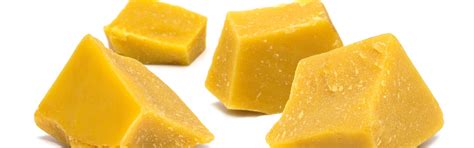
Carnauba Wax in Lip Balms and Other Cosmetics
The unique properties of carnauba wax make it an indispensable ingredient in a variety of cosmetic applications, particularly in lip balms and stick formulations.
Lip Balms and Stick Formulations
In lipsticks and lip balms, carnauba wax provides structure and a smooth glide, enhancing durability and shine. Its high melting point ensures that these products maintain their shape and consistency, even in warmer temperatures. When paired with ingredients like hyaluronic acid, it enhances moisture retention by forming a breathable, occlusive film that reduces transepidermal water loss (TEWL). It also contributes to a silken, buttery texture and moisturizing finish in lip balms.
Other Cosmetic Applications
Beyond lip products, carnauba wax is a key component in a variety of other skincare and makeup items:
- Mascaras and Eyeliners: It contributes to thickness and waterproof properties, ensuring long-lasting wear.
- Foundations and Creams: It enhances spreadability, providing a smooth, non-greasy application and a velvety texture without excessive waxiness.
- Sunscreens: Its water-repellent properties improve the longevity and effectiveness of UV protection, especially in water-resistant formulations.
- Deodorants: It helps provide the necessary hardness and stability for solid stick deodorants.
Basic Vegan Lip Balm with Carnauba Wax
Carnauba Wax vs. Other Waxes
While synthetic waxes are commonly used in cosmetics, carnauba wax stands out for its natural origin and hypoallergenic properties. It is considered the hardest of the commercial vegetable waxes, offering superior hardness and heat resistance compared to beeswax or candelilla wax. Carnauba wax provides a non-greasy finish and is often preferred for its vegan-friendly status.
Formulation Considerations
Carnauba wax functions as more than just a structural agent; it enhances the performance, longevity, and sensory profile of skincare formulations when paired with specific actives:
- Carnauba Wax + Hyaluronic Acid: Creates a synergistic effect for enhanced moisture retention, reducing TEWL and reinforcing the skin barrier.
- Carnauba Wax + Titanium Dioxide: Acts as a dispersing agent in tinted sunscreens and BB creams, ensuring uniform pigment distribution and enhancing UV protection.
- Carnauba Wax + Caprylic/Capric Triglyceride: Forms lightweight yet structured emulsions ideal for oil-based serums and lotions.
- Carnauba Wax + Rice Bran Wax: Creates stable and easily applicable solid formulations like deodorants and lip balms, offering heat resistance and a smoother texture.
While highly versatile, the compatibility of carnauba wax with other ingredients must be carefully evaluated to prevent phase separation or destabilization in formulations.
Sustainability and Sourcing
Companies like Agrocera and GW Biotek are at the forefront of ethically sourcing and producing carnauba wax. Agrocera is committed to providing high-quality, sustainably sourced carnauba wax by adopting practices that minimize environmental impact and support local communities in Brazil. GW Biotek ensures its carnauba wax comes from responsible sources and undergoes strict quality checks for purity and efficacy.
The cosmetic industry is increasingly embracing natural ingredients like carnauba wax, driven by consumer demand for eco-friendly and skin-friendly products. Carnauba wax’s versatility and natural properties make it a popular choice, and companies are leading this shift by providing high-quality, sustainably sourced carnauba wax.
Safety and Usage
Carnauba wax is considered non-toxic and safe for the skin. It is also non-comedogenic and safe for consumption, though external use is recommended. While generally well-tolerated, some individuals may experience slight irritation. It is advisable to conduct a patch test at home before widespread use, especially for those with sensitive skin, or to consult a healthcare provider if pregnant, nursing, or experiencing any adverse reactions.