Discovering the power of glycolic acid can revolutionize your skincare routine. This potent ingredient is often misunderstood or misused, leading to suboptimal results. This comprehensive guide will explain the benefits of glycolic acid, how to use it effectively, and the best products containing glycolic acid offered by Caudalie.
What Is Glycolic Acid?
Definition and Origins
Glycolic acid is a type of alpha hydroxy acid (AHA) derived from natural sources such as sugarcane, beets, and some fruits. It is one of the smallest molecules in the AHA category, allowing it to penetrate the skin deeply and efficiently.
Chemical Properties and Function
Glycolic acid’s molecular structure is what makes it so effective. Its small molecules penetrate the skin efficiently, breaking down bonds between dead skin cells. This process promotes the shedding of the outer layer of the skin, revealing the brighter, fresher skin beneath.
Benefits of Glycolic Acid for the Skin
Exfoliation
One of the primary benefits of glycolic acid is its ability to exfoliate the skin. By breaking down the bonds between dead skin cells, glycolic acid helps in removing them, exposing newer, healthier skin. This peeling process can lead to a smoother skin surface and reduce the clogging of pores, which helps in preventing acne.
Improving Skin Texture and Tone
Regular use of glycolic acid can significantly improve skin texture and tone. It helps to smooth out the skin, reducing the appearance of fine lines and wrinkles. Over time, glycolic acid use can lead to a more even skin tone, enhancing the overall brightness and clarity of the skin.
Reduction of Dark Spots and Hyperpigmentation
Glycolic acid is highly effective in reducing dark spots and treating hyperpigmentation. It works by promoting the shedding of pigmented cells and encouraging the growth of new, evenly pigmented skin cells. This process helps to lighten dark spots and improve the uniformity of the skin’s tone.
Anti-Aging Effects
By stimulating collagen production, glycolic acid provides significant anti-aging benefits. Collagen is essential for maintaining the skin’s elasticity and firmness. Increased collagen production can reduce the appearance of fine lines and wrinkles, making the skin look younger and more resilient.
How to Use Glycolic Acid in Your Skincare Routine
Incorporating Glycolic Acid into Your Routine
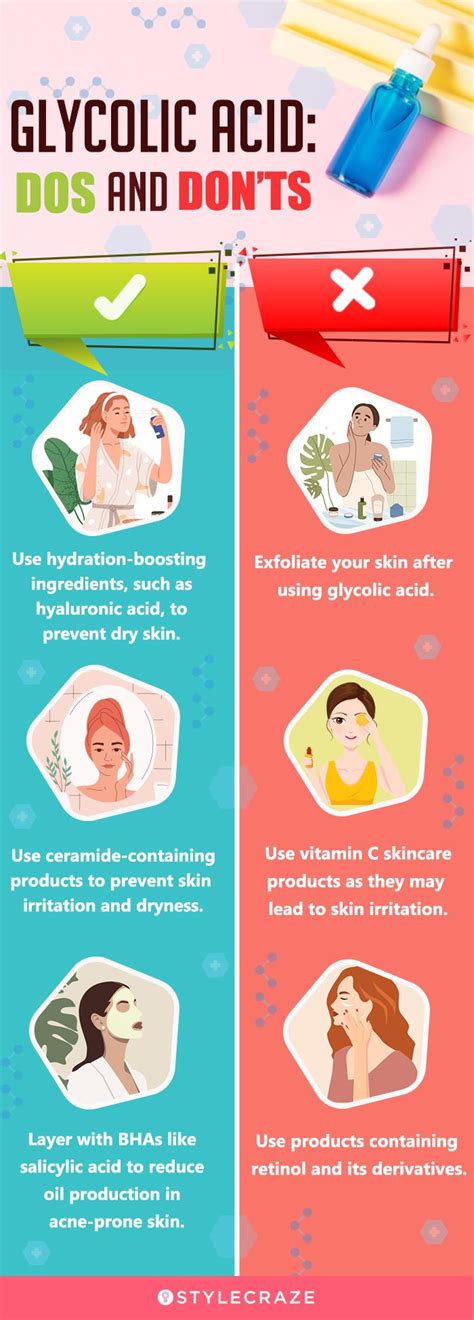
Starting with glycolic acid should be done gradually to minimize potential irritation. Begin with a lower concentration product and use it a few times a week, gradually increasing the frequency as your skin builds tolerance. Listen to your skin’s response and adjust accordingly.
Combining With Other Skincare Ingredients
Glycolic acid can be combined with certain other skincare ingredients for enhanced benefits. Hyaluronic acid, for example, is a great partner as it provides hydration to balance the exfoliating effects of glycolic acid. Vitamin C can also be used in alternating routines for brightness and anti-aging benefits. However, it's crucial to avoid using glycolic acid with retinoids or benzoyl peroxide, as these combinations can increase irritation.
Precautions and Tips
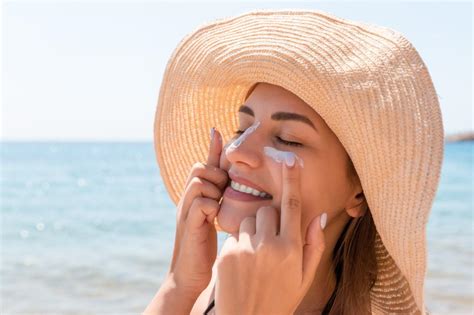
It is essential to take precautions when incorporating glycolic acid into your skincare routine. Always patch test any new glycolic acid product on a small area of skin to check for adverse reactions. If you experience side effects such as redness, itching, or peeling, reduce the frequency of use and ensure you are following with a good moisturizer. Glycolic acid increases photosensitivity, so it's imperative to use a broad-spectrum sunscreen during the day to protect your skin from UV damage and prevent sunburn, hyperpigmentation and melasma. If you're pregnant or breastfeeding, consult a healthcare provider before using glycolic acid. Those with existing skin conditions like eczema or rosacea should speak to a dermatologist to ensure that glycolic acid is safe for their skin type. By taking these precautions, you can safely incorporate glycolic acid into your skincare routine and enjoy its numerous benefits.
Potential Side Effects
While glycolic acid is beneficial for most skin types, it can cause side effects, especially if used incorrectly. Some common side effects include:
- Redness and Irritation: especially for those with sensitive skin, glycolic acid can cause redness and irritation when first introduced.
- Dryness and Peeling: exfoliation may lead to dryness and peeling, as dead skin cells are removed.
- Increased Sensitivity: due to the exfoliating nature of glycolic acid, your skin may become more sensitive to environmental factors, particularly the sun.
Choosing the Right Dosage of Glycolic Acid
Dosing is crucial to avoid over-exfoliation and potential skin damage:
- Beginner's Dose: start with a lower concentration, such as 5-10%, and use it 2-3 times a week.
- Intermediate Users: once your skin builds tolerance, you can increase the frequency to daily use and opt for products with up to 15% glycolic acid.
- Advanced Users: for seasoned glycolic acid users, products with higher concentrations (20% or more) are available, but should still be used cautiously and not more than a few times a week.
Application Amount: use a small, pea-sized amount per application to reduce the risk of irritation.
Melasma occurs when color pigments in the body produce excess melanin, leading to dark patches. These patches are larger than freckles and usually occur on the face, shoulders, neck, and forearms. That’s because these are the areas usually exposed to the sun. Even though this hyperpigmentation is harmless, most people seek treatment for cosmetic reasons. Treatments may involve applying serums, chemical peels, or lasers. The best treatment for you depends on your skin sensitivity and the severity of the condition.
Key Ingredients in Caudalie's Glycolic Peel Mask
For dull and uneven skin tone, seeking to clarify and improve the complexion, Caudalie created Caudalie Vinoperfect Glycolic Peel Mask. A flash mask with a peeling action, that does the job of an exfoliant! Formulated with 96% naturally derived ingredients, this mask relies on the action of papaya to gently exfoliate the skin. Especially indicated for blemished skin, the glycolic mask should be used about twice a week.
Common Skincare Ingredients Explained:
- Water (H2O): The most common skincare ingredient, purified and deionized for cosmetic use.
- C12-15 Alkyl Benzoate: A light emollient ester that absorbs quickly and leaves a dry but silky finish.
- Glycolic Acid: The most researched and well-known AHA exfoliant. It gently lifts off dead skin cells to reveal newer, fresher, smoother skin.
- Caprylic/Capric Triglyceride: An oily kind of ingredient that can magically blend with water all by itself (self-emulsifying).
- Glyceryl Stearate SE: A popular, vegetable-derived oil-loving emulsifier that helps water to mix with oil.
- Cetearyl Alcohol: A fatty (the good, non-drying kind of) alcohol that makes your skin feel smooth and nice (emollient), helps to thicken up products and also helps water and oil to blend (emulsifier).
- Glycerin: An emollient and natural moisturizer that can be found also in the sebum (oily stuff our skin produces).
- Vitis Vinifera (Grape) Seed Oil: A goodie plant oil coming from the polyphenol-rich seeds of the grape.
- Tocopherol (Vitamin E): Pure Vitamin E. Great antioxidant that gives significant photoprotection against UVB rays. Works in synergy with Vitamin C.
- Citric Acid: An AHA that comes from citrus fruits.
- Sodium Hydroxide: The unfancy name for it is lye. It’s a solid white stuff that’s very alkaline and used in small amounts to adjust the pH of the product and make it just right.
- Xanthan Gum: A super commonly used thickener and emulsion stabilizer.
- Phenoxyethanol: A preservative that works mainly against fungi and has only milder effect against bacteria.
- Squalane: An emollient and natural moisturizer that can be found also in the sebum (oily stuff our skin produces).
- Fragrance (Parfum): The generic term for nice smelling stuff put into cosmetic products so that the end product also smells nice.
- Ascorbyl Palmitate: Works in synergy with Vitamin C.
- Lactic Acid: A superstar AHA that not only exfoliates skin but is also a very good moisturizer.
- Carbomer: A big molecule created from repeated subunits (a polymer of acrylic acid) that magically converts a liquid into a nice gel formula.
- Cetearyl Glucoside: A mainly oil-loving, vegetable raw material based ingredient that helps water and oil to mix together, aka emulsifier.
- Ethylhexylglycerin: A multi-functional helper ingredient that can do several things in a skincare product: it can bring a soft and pleasant feel to the formula, it can act as a humectant and emollient, it can be a solvent for some other ingredients (for example it can help to stabilize perfumes in watery products) and it can also help to disperse pigments more evenly in makeup products.
- Sodium Stearoyl Glutamate: A mainly oil-loving, vegetable raw material based ingredient that helps water and oil to mix together, aka emulsifier.
- Caprylyl Glycol: A handy helper ingredient that helps water and oil to mix nicely together, aka emulsifier.
- Potassium Sorbate: A helper ingredient that helps to make the products stay nice longer, aka preservative.
- Caramel: A colorant derived from sugar.
- Carbomer Copolymer: A copolymer is a big molecule that consists not of one but of two repeating subunits.
- Propylene Glycol: A humectant and solvent.
- BHT: An antioxidant.
- Helianthus Annuus (Sunflower) Seed Oil: Sunflower oil - similar to other plant oils - is a great emollient that makes the skin smooth and nice and helps to keep it hydrated.
- Citrus Aurantium Dulcis (Orange) Fruit Extract: A source of natural AHAs.
- Acer Saccharum (Sugar Maple) Extract: The extract coming from the Sugar Maple tree. The main reason it is used in skin care is that it contains natural AHA acids, namely Malic and Tartaric, and hence why it supposedly helps slough off dead skin cells in combination with other acid-containing fruit extracts as part of the trade name ACB Fruit Mix.
- Citrus Limon (Lemon) Fruit Extract: An AHA that comes from citrus fruits.
- Papain: An enzyme derived from papaya that acts as a gentle exfoliant.
- Glyceryl Stearate: An extremely common multitasker ingredient that gives your skin a nice soft feel (emollient) and gives body to creams and lotions.
- Potassium Cetyl Phosphate: An emulsifier.
- Glyceryl Caprylate: A preservative booster and emollient.
- Citrus Grandis (Grapefruit) Fruit Extract: A source of natural AHAs.
- Citrus Aurantifolia (Lime) Fruit Extract: A source of natural AHAs.
- Bisabolol: The active part of Chamomile that contains about 30% of bisabolol. It's a clear oily fluid that is used in skincare as a nice anti-inflammatory and soothing ingredient.
- Tocopheryl Acetate: A stable form of Vitamin E, an antioxidant.
- Glyceryl Undecylenate: A preservative booster and emollient.
- Silica: A white powdery thing that's the major component of glass and sand. In cosmetics, it’s often in products that are supposed to keep your skin matte as it has great oil-absorbing abilities.
- Ammonium Acryloyldimethyltaurate/VP Copolymer: A copolymer that helps thicken products.
- PEG-100 Stearate: An emulsifier.
- Acrylates/C10-30 Alkyl Acrylate Crosspolymer: A thickening agent.
- Triethanolamine: A pH adjuster.
- Disodium EDTA: A chelating agent that helps stabilize formulas.
- Sodium Benzoate: A preservative.
- Potassium Benzoate: A preservative.
- Sorbic Acid: A preservative.
- Limonene: A component of fragrance.
- Linalool: A component of fragrance.
- Citral: A component of fragrance.
- Geraniol: A component of fragrance.
Recommended Caudalie's Products Containing Glycolic Acid
Vinoperfect Dark Spot Correcting Glycolic Night Cream
This Vinoperfect night cream is designed to visibly fade dark spots and even out skin tone during your sleep. It contains a blend of glycolic acid and other active ingredients to gently exfoliate and renew the skin overnight. Use it as the final step in your nighttime skincare routine, applying it to clean, dry skin. Over time, this product helps to reduce dark spots and improve skin radiance.
Vinoperfect Glycolic Peel Mask
The Vinoperfect Glycolic Peel Mask offers a professional-grade exfoliation treatment that you can use at home. This mask combines glycolic acid with natural ingredients to remove dead skin cells and reveal a brighter, smoother complexion. Apply it once or twice a week to dry skin, leave it on for 10 minutes, and then rinse off. Regular use will enhance the smoothness and clarity of your skin, making it look more youthful and radiant.
Caudalie Vinoperfect Enzymatic Peel Mask - 50ml - woomany.com
For a complete routine, you can use other products from the collection like the Dark Spot Serum, the Glycolic Essence, or the Eye Cream for bags under eyes.
Beauty Flash Ritual: before a date, a way out, or a special event, apply Glycolic Peel Mask all over the face, avoiding the eye contour, in a generous layer. Leave for 10 minutes. Remove with cold water.
Instant Lightness Ritual: apply Instant Detox Mask over the nose and chin, and Glycolic Peel Mask on the forehead, cheekbones, and jawline, to release the asphyxiated skin and lighten the complexion. Leave for 10 minutes and remove with water.
Anti-Dark Spot Treatment: Apply on interleaved days, at night, around the face on clean skin. Leave for 10 minutes and remove with warm water.