Morpheus8 is an advanced, non-surgical cosmetic treatment designed to significantly improve skin texture, firmness, and tone. It uniquely combines the principles of microneedling with the power of radiofrequency (RF) energy to stimulate the body's natural healing response and remodel the skin from deep within. This innovative approach targets deeper layers of the skin, promoting collagen and elastin production for smoother, tighter, and more youthful-looking results, particularly effective for concerns like cellulite and skin laxity on the thighs.
Understanding the Morpheus8 Treatment Process
The Morpheus8 treatment for cellulite and thigh rejuvenation involves a series of key steps designed to ensure a safe and effective experience. Your journey begins with an initial consultation, where a qualified provider will assess your skin, discuss your specific concerns, and determine if Morpheus8 is the right solution for you. It is crucial to share your complete medical history, including any previous treatments and medications, as your provider may recommend avoiding certain substances like blood thinners prior to treatment.
The Procedure Itself
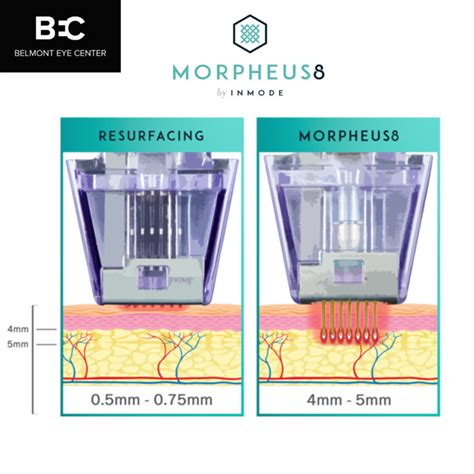
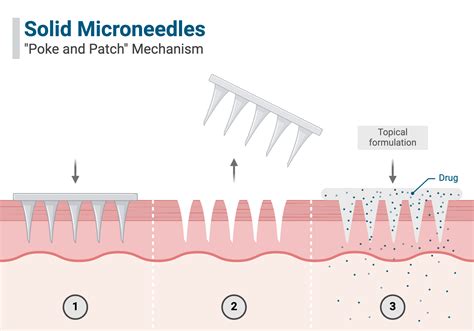
During the session, a topical numbing cream is applied to the treatment area, typically the thighs, to minimize any potential discomfort. This cream usually takes around 30 minutes to set. Once your skin is adequately numb, the Morpheus8 device, equipped with tiny needles, is used to create controlled micro-injuries in the skin. These micro-injuries, combined with the delivery of radiofrequency energy, trigger the body’s natural healing response. The heat generated by the RF energy tightens existing collagen fibers and prompts new collagen and elastin formation at a much deeper level. A typical session lasts between 30 to 60 minutes, depending on the size of the treatment area.
Post-Treatment Care and Healing
After the Morpheus8 treatment, your skin may appear slightly red and feel tender, similar to a mild sunburn. Some slight swelling might also be noticeable. Recovering from Morpheus8 is generally straightforward with minimal downtime. While the outer skin may heal within a few days, the deeper collagen remodeling process continues for weeks or even months. Keeping the treated area clean and moisturized is vital during the healing process to enhance healing and maximize long-term results. Avoiding sun exposure is also essential to prevent complications and protect the treated skin.
Morpheus8 for Thighs: Targeting Cellulite and Laxity
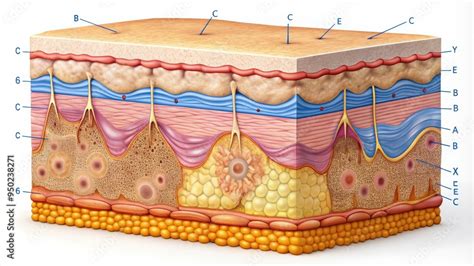
Morpheus8 is particularly effective for addressing common concerns on the thighs, such as cellulite, skin laxity, and uneven texture. The treatment’s ability to penetrate deep into the subdermal layers allows it to target the underlying causes of these aesthetic issues.
How Morpheus8 Combats Cellulite
Cellulite is a complex condition involving fat deposits, connective tissue, and skin laxity. Morpheus8 targets these factors by:
- Stimulating Collagen Production: The RF energy and microneedling prompt the skin to produce more collagen, which helps to thicken and smooth the skin, making the dimpled appearance of cellulite less noticeable.
- Tightening Connective Tissue: The thermal effect of the RF energy can help to tighten the fibrotic bands that pull the skin down, contributing to dimpling.
- Mild Fat Reduction: The treatment can also lead to mild fat reduction in the treated areas by targeting subdermal fat.
Improving Skin Laxity and Texture
Beyond cellulite, Morpheus8 is highly effective for improving sagging skin and overall skin texture on the thighs. Many patients notice a significant reduction in skin laxity and a smoother, firmer appearance. This is especially beneficial for individuals experiencing post-pregnancy or post-weight loss changes, or simply the natural aging process that leads to decreased skin elasticity.
Morpheus8 Results: Before and After Expectations
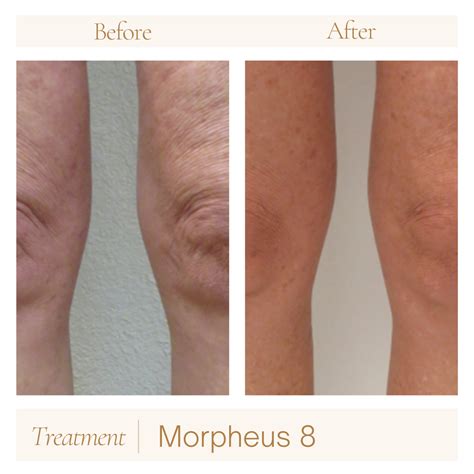
Examining before and after photos can provide valuable insights into the potential outcomes of Morpheus8 treatment for cellulite and thigh rejuvenation. While individual results can vary based on factors like skin type, age, lifestyle, and the severity of the concerns, many patients report significant improvements.
Timeline of Results
You might start to notice initial changes a few days post-treatment as the skin begins to heal and tighten. However, the most significant improvements, driven by deep collagen remodeling, typically become apparent over several weeks and continue to develop for up to three months. Full results may take up to three months to become fully visible, as collagen production is a gradual process.
Visible Improvements
With successful treatments, patients often report smoother skin with less pronounced cellulite dimpling and a noticeable improvement in sagging skin. Key benefits include improved skin texture, making it feel and look smoother and firmer. Many patients also experience a reduction in skin laxity, leading to a more contoured and youthful appearance of the thighs.
Morpheus8 vs. Other Treatments and Considerations
Morpheus8 stands out due to its ability to remodel skin from deep within, offering a powerful non-surgical option for body contouring and skin tightening. Unlike treatments that only address surface-level concerns, Morpheus8’s combination of microneedling and RF energy targets multiple layers of the skin simultaneously.
Who is a Good Candidate?
Morpheus8 is ideal for individuals looking to improve skin texture, firmness, and tone without undergoing invasive surgery. It is particularly suited for those experiencing mild to moderate signs of aging, such as fine lines, wrinkles, sagging skin, or uneven texture on the thighs and other body areas. Good candidates typically have realistic expectations and are committed to following pre- and post-treatment care instructions. It is important to note that Morpheus8 is not a weight-loss treatment; it is designed for skin rejuvenation and contouring.
When Morpheus8 Might Not Be Ideal
While highly versatile, Morpheus8 may not be the best fit for everyone. Individuals with very severe skin laxity might achieve better results with surgical interventions. Pregnant or breastfeeding individuals are generally advised to postpone treatment. Furthermore, some patients have reported dissatisfaction with RF microneedling treatments, citing pain, cost, or ineffectiveness. In such cases, alternative technologies that focus on naturally stimulating skin tightening and fat release without puncturing or burning the skin may be considered.
Candela Profound Radiofrequency Microneedling Nonsurgical facelift and cellulite treatment
The Laser Image Company: Expertise in Morpheus8 Treatments
At The Laser Image Company, a clinic founded on the collaboration of a Facial Plastic Surgeon and a laser specialist, the focus is on educating patients about the latest non-invasive cosmetic treatments. Their state-of-the-art lasers and handpicked staff provide extensive knowledge and expertise in the treatments they perform. For those considering Morpheus8 for body treatments, including the stomach, thighs, or arms, the clinic offers a powerful alternative to more invasive options.

Morpheus8 for Body Contouring
Morpheus8 for body treatments, including the abdomen and thighs, offers significant benefits for those dealing with loose skin, stretch marks, uneven texture, and cellulite. The treatment stimulates new collagen and elastin, tightens sagging areas, and refines skin texture. For the abdomen, it helps firm loose skin, minimize the appearance of stretch marks, and refine the entire area. On the thighs, it reduces the appearance of cellulite and softens uneven skin, leading to a more sculpted appearance.
Pricing and Session Recommendations
The pricing for Morpheus8 treatment depends on the area being treated and the number of sessions required. A single treatment for the stomach might range from $1,000 to $1,800, with full packages potentially costing $3,000 or more, which is still considerably less than surgical procedures. Typically, a minimum of 3-6 sessions spaced 6 weeks apart is recommended for optimal results, though this can vary based on individual factors and treatment goals. Results can last 12 to 24 months, with maintenance sessions potentially recommended to sustain improvements.