Acne scars are permanent reminders of past breakouts, often resulting from the skin's healing process after inflammation. While severe acne is more prone to causing scars, even mild breakouts can leave visible marks. These scars can be categorized, with atrophic scars (depressed scars) forming due to tissue loss, leaving indentations on the skin's surface. A common cosmetic treatment for various skin concerns, including acne scars, is a chemical peel.
A chemical peel involves applying a chemical solution to the skin to exfoliate and remove damaged outer layers. The type of chemical solution used dictates the depth of the peel and its effectiveness for different skin concerns.
Understanding Acne Scars and Chemical Peels
Acne is a prevalent skin condition, affecting millions annually. Chemical peels have gained popularity as a treatment for reducing the prominence of acne scars, offering an effective cosmetic solution when other methods may not suffice. This procedure is a skin-resurfacing treatment that removes dead and damaged skin cells.
Types of Acne Scars
Before undergoing a chemical peel, a skincare specialist will determine the type of acne scars present. Atrophic scars, characterized by small indents on the skin's surface, develop when insufficient new tissue is created after an acne lesion heals. These can typically be treated with chemical peels, often requiring multiple sessions over time.
Hypertrophic scars, another type, result from excessive collagen production during the healing of acne. One extreme form of scarring is a keloid.
How Chemical Peels Work
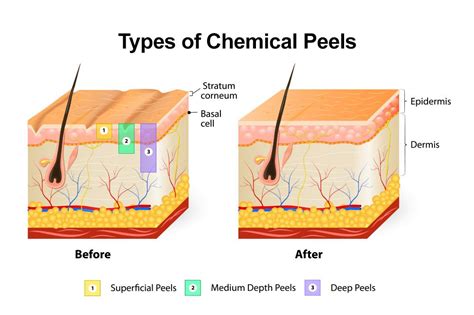
A chemical peel treatment utilizes various solutions that react with the skin's outer layers. The depth of the peel can range from light to deep, depending on the chemical agents used and the desired outcome.
- Superficial peels use mild acids like glycolic acid and salicylic acid. Glycolic acid, an alpha hydroxy acid (AHA), is known for its exfoliating and skin-brightening properties. Salicylic acid, a beta hydroxy acid (BHA), is ideal for oily, acne-prone skin. These peels are effective for mild skin disorders, discoloration, and post-inflammatory hyperpigmentation (PIH).
- Medium chemical peels involve stronger agents like trichloroacetic acid (TCA), which can reach deeper layers of the skin. These are recommended for more significant concerns such as acne scars and uneven skin tone.
- Deep chemical peels feature potent agents like phenol and are reserved for severe wrinkles and scars. These reach the deepest layers of the skin and require careful administration due to potential side effects.
Ice Pick Scars: A Specific Challenge
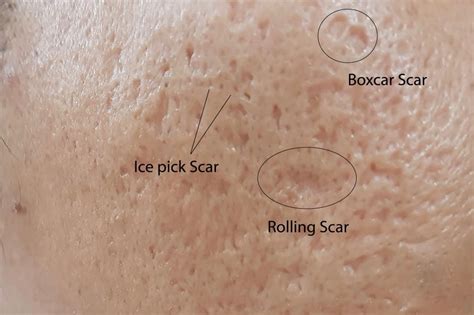
Ice pick scars are a specific type of atrophic acne scar, characterized by deep, narrow indentations that resemble puncture marks. They typically form after severe acne, such as cysts or nodules, where inflammation damages the skin and its underlying tissue, leading to insufficient collagen production during healing. These scars are widespread around the cheek and forehead areas and can be emotionally distressing due to their noticeable appearance.
Causes of Ice Pick Scars
Key factors contributing to the formation of ice pick scars include:
- Severe Acne: Inflamed acne, particularly cysts and nodules, is more likely to result in deep scarring.
- Delayed or Inadequate Treatment: Untreated or poorly managed acne can lead to worsening inflammation and deeper scarring.
- Picking or Squeezing Pimples: This can push bacteria further into the skin, increasing the severity of scarring.
- Genetics: Individual predisposition to severe acne or scarring can play a role.
- Skin Type: Oily or thick skin may be more prone to developing deep acne scars due to the severity of lesions.
Effectiveness of Chemical Peels for Ice Pick Scars
While chemical peels can be effective for various acne scars, they may not yield significant improvements for ice pick scars when used alone. Due to their deep and narrow nature, ice pick scars often require more intensive treatments or a combination of therapies.
Superficial peels can be beneficial for discoloration like PIH, but for the indentations of ice pick scars, deeper peels or alternative treatments are generally more effective. Chemical peels tend to produce better results for fair-skinned individuals, as those with darker skin tones may have a greater risk of post-inflammatory hyperpigmentation.
Other Treatments for Acne Scars
Given that ice pick scars can be challenging to treat with chemical peels alone, several other professional interventions are available:
- Dermal Fillers: These temporarily smooth the skin by filling the deep indentations. Common options include hyaluronic acid, collagen, or fat-based fillers.
- Laser Resurfacing: Lasers target deeper skin layers to enhance collagen production and improve skin texture, effectively diminishing the appearance of scars.
- Subcision: This technique involves breaking up scar tissue beneath the skin with a needle to improve surface texture.
- Punch Excision: This procedure removes the deepest scar tissue entirely, allowing the area to heal with sutures for smoother skin.
- Microneedling: This treatment uses tiny needles to create micro-injuries, stimulating collagen production and skin regeneration.
For other types of acne scars, such as boxcar scars (broad, shallow with defined edges) and rolling scars (giving a wave-like appearance), chemical peels, dermal fillers, and laser therapy can be effective. Raised scars (hypertrophic scars) often require different treatments like steroid injections or laser therapy.
The Chemical Peel Procedure
A chemical peel is typically performed in a doctor's office or an outpatient surgical facility. The preparation and procedure vary depending on the peel's depth.
Preparation
Before a chemical peel, it's crucial to choose a qualified doctor, such as a dermatologist or dermatologic surgeon. Patients should review their medical history, undergo a physical exam, and discuss their expectations and potential risks. Some preparations may include:
- Taking antiviral medication.
- Using a retinoid cream or a bleaching agent.
- Avoiding unprotected sun exposure, as it can cause permanent irregular pigmentation.
- Avoiding certain cosmetic treatments and hair removal methods about a week before the peel.
- Arranging for a ride home, especially for deeper peels.
During the Procedure
- Light Chemical Peel: Usually requires no anesthesia. A chemical solution (e.g., glycolic or salicylic acid) is applied with a brush, cotton ball, gauze, or sponge.
- Medium Chemical Peel: May involve a sedative and painkiller. Trichloroacetic acid, sometimes with glycolic acid, is applied using a cotton-tipped applicator or gauze. Cool compresses or a fan may be used to soothe the skin.
- Deep Chemical Peel: Uses carbolic acid (phenol) applied in portions to limit exposure. This procedure is typically done in stages over approximately 15-minute intervals.
After the Procedure
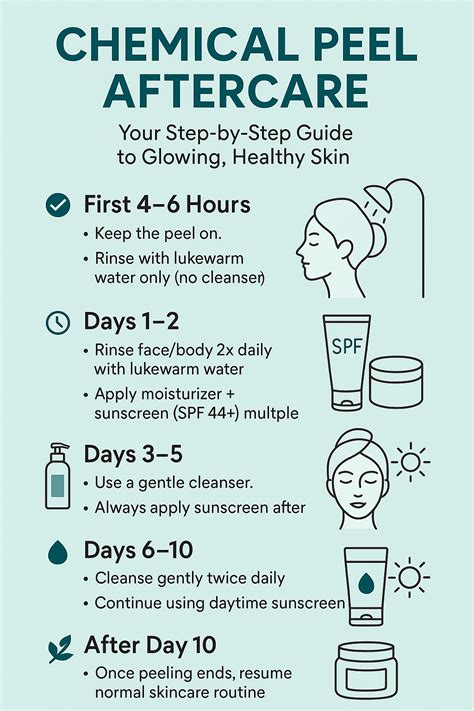
Following any chemical peel, the treated skin will likely be red, tight, irritated, or swollen. Strict adherence to the doctor's aftercare instructions is vital for healing and minimizing side effects. This includes:
- Sun protection.
- Cleansing and moisturizing the skin.
- Applying protective ointments.
- Avoiding picking, rubbing, or scratching the treated area.
Healing times vary: light peels may take 1-7 days, medium peels 1-2 weeks (with crusting and potential blistering), and deep peels 2-3 weeks for new skin to form, though redness may persist for months. Cosmetics can be used to conceal redness once the skin has healed.
Results and Expectations
The results of a chemical peel can be subtle with light peels, becoming more noticeable with repeated treatments, improving skin texture, tone, and fine wrinkles. Medium peels lead to noticeably smoother skin, while deep peels offer dramatic improvements. However, results may not be permanent, and the new skin is temporarily more sensitive to the sun.
It is essential to manage expectations regarding the outcome. While chemical peels can reduce the appearance of acne scars, they may not completely eliminate them, especially deep ice pick scars. Multiple sessions are often required for optimal results.
When to See a Dermatology Provider
Consulting a dermatology provider is recommended if you have persistent acne scarring that causes emotional distress, severe scarring that makes your skin uneven, or if home remedies have not yielded desired results. A provider can also offer advice on preventing future scarring.
For those with ice pick scars on visible areas affecting their confidence, professional help is advisable. A dermatology provider will assess the scar severity and recommend suitable treatment options, potentially combining methods for a personalized treatment plan.