For centuries, people have turned to clay to enhance the health of their skin and hair. Clay facial masks, formulated with various types of clay such as kaolin or bentonite, are believed to offer numerous benefits. These include absorbing excess oil, helping to manage dry skin, and preventing acne. While much of the evidence supporting their use is anecdotal, several studies suggest that these masks can be effective.
This article delves into the potential benefits of clay masks for both skin and hair, explores their usage, and addresses any potential side effects. It also compares them to modern sheet masks, examining their efficacy, environmental impact, and user experience.
Understanding the Benefits of Clay Masks
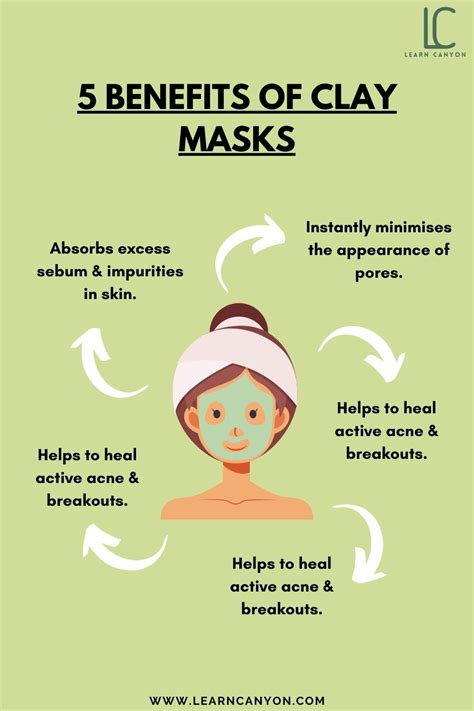
Clay masks possess the remarkable ability to absorb oil from the skin, which can help manage mild forms of acne, including pimples, blackheads, and whiteheads. These types of acne often form when pores become clogged with excess dirt and oil. For treating blackheads, acne, or other blemishes, applying a mixture of clay powder and warm water is recommended. The warmth aids in increasing perspiration, facilitating the release of oil and dirt from the skin. For more severe cystic acne, consulting a doctor for the best treatment options is advisable, as a clay mask may not address the root cause, which could be hormonal.
Applying a clay mask to the face effectively draws excess oil away from the pores. Many individuals find that green clay is particularly effective for drying out the skin. If you have naturally oily skin, the regular application of a clay mask, once or twice a week, can help manage excess oil production.
Research has also indicated that bentonite clay may be beneficial in treating ulcers and cuts. Animal studies suggest that clay masks could stimulate the production of collagen fibers, potentially reducing wrinkles and enhancing skin firmness. Red clay is sometimes recommended for dry skin, with a 2016 study suggesting that as the clay hardens, it forms a film that helps the skin retain moisture. However, the researchers noted that short-term use of a clay mask did not lead to significant changes in skin firmness.
Overuse of clay masks can lead to dryness. If you already have dry skin, it's advisable to limit the use of clay masks to a maximum of once per week. Clay typically carries a negative electrical charge. Research suggests that this negative charge may help it bind to positively charged toxins and heavy metals, such as mercury and lead, found in environmental pollution.
Types of Clay and Their Properties
Bentonite is a type of clay derived from volcanic ash, named after Fort Benton, Wyoming, where a significant amount of this clay was discovered. Many studies investigating the potential benefits of clay masks have utilized bentonite clay. Its potential benefits for the skin include:
- Reducing excessive moisture
- Protecting the skin from toxins
- Helping to reduce acne
- Improving symptoms of dermatitis
- Improving symptoms of diaper rash
While the evidence supporting the use of clay for hair health is largely anecdotal, some believe that clay can help remove dirt and oil from the scalp, thereby improving hair health. It is thought to be beneficial for conditions such as:
- Dandruff
- Dry and damaged hair
- Frizziness
- Heat damage
It is important to note that the claim that clay can help hair grow faster is a myth, likely stemming from a 1992 study that found feeding sheep bentonite improved their wool production. There is no scientific evidence to suggest that clay increases hair growth in humans.
How to Use Clay Masks
The method for applying a clay mask can vary depending on the specific product. It is always recommended to read and follow the instructions on the product packaging for proper use. Some masks may be designed for short application times, while others can be left on longer.
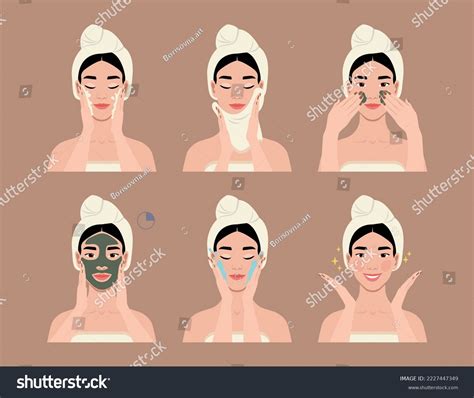
Generally, the application of a clay mask involves the following steps:
- Cleanse your skin: Start by washing your face with a gentle cleanser.
- Prepare the skin (if necessary): Some masks may require the skin to be slightly damp before application; check the product instructions.
- Apply the mask: Spread the clay mask evenly across your face, avoiding the delicate areas around your eyes, nose, and mouth. Begin application from your lower neck and work upwards.
- Let it sit: Allow the mask to remain on your skin for the recommended duration, typically about 10-15 minutes, or until it is nearly dry.
- Remove the mask: Gently rinse off the mask using lukewarm water or a damp facecloth.
- Rinse thoroughly: Ensure all traces of clay are removed from your skin.
- Continue your routine: Follow up with your regular skincare products, such as toner, serum, and moisturizer.
Tips for Using Clay Masks
- Use a generous amount of product to ensure even coverage without missing any areas.
- If you have oily skin, clay masks are an excellent tool for managing excess oil and preventing clogged pores.
- Avoid using clay masks on broken or sensitive skin, as they may cause irritation.
- For those with dry skin, clay masks can potentially exacerbate dryness. If you experience dryness after using a clay mask, ensure you apply a moisturizer afterward or reduce the frequency of use. Dry skin types might also find the mask's action more intense.
- Do not allow the mask to dry completely and crack, as this can over-dry the skin.
Clay Masks vs. Sheet Masks: A Comparative Analysis
In the realm of skincare, clay masks and sheet masks represent two popular yet distinct approaches to pampering the skin. Clay masks are a time-tested method for deep cleansing, purifying, and restoring balance, leveraging the natural properties of clays like kaolin and bentonite. They actively engage with the skin, absorbing sebum, tightening as they dry, and leaving the surface purified. Modern formulations often enhance these benefits by incorporating botanical extracts and enzyme actives.
Sheet masks, on the other hand, are a more recent innovation. These single-use packets contain fabric sheets soaked in serum, designed to deliver intense hydration quickly. While undeniably popular for their convenience and spa-like experience, they come with significant environmental drawbacks. Each sheet mask, along with its multilayered packaging, is typically non-recyclable, contributing to substantial waste. Industry reports estimate that the beauty sector generates billions of unrecyclable sample sachets annually, a pattern mirrored by sheet masks.
Efficacy and Results
Clay masks offer cumulative benefits when used consistently. A 2023 clinical study evaluated a kaolin and bentonite clay mask used twice weekly over four weeks, reporting measurable reductions in acne severity, lower sebum levels, and improved hydration. This reinforces the understanding that clay masks don't just create a temporary sensation but actively improve the skin's condition. They achieve this by managing sebum, clearing pores, reducing inflammation, and exfoliating buildup, thereby creating a healthier skin foundation.
Sheet masks, while adept at providing temporary hydration and a plumped appearance due to their heavy serum load, offer a more fleeting effect. The payoff is often superficial and short-lived. In contrast, the active engagement of minerals in clay masks leads to a more profound and lasting purification and improvement of the skin's actual health.
Environmental Impact
The environmental consequences of skincare choices are becoming increasingly important. Sheet masks contribute significantly to the problem of single-use packaging. Their multilayered foil pouches are notoriously difficult to recycle, and the mask itself is disposable. This contrasts sharply with a jar of clay mask, which can provide multiple treatments and lasts for months, resulting in substantially less waste.
For consumers conscious of their environmental footprint, the choice is clear. While a single-use sheet mask might offer immediate gratification, it adds to a growing waste problem. Choosing products that minimize unnecessary waste helps foster an industry less dependent on disposable packaging.
User Experience and Customization
The sensory experience of using a mask also differs. Sheet masks can feel cold and slippery, requiring stillness as serum may drip. Clay masks, conversely, offer a more engaging experience. The subtle tightening as the mask dries signifies impurities being drawn out, and the rinsing step provides a tactile sense of renewal. Ingredients like eucalyptus and menthol can offer a cooling sensation, while elements like almond meal can provide a gentle exfoliating scrub upon removal.
Furthermore, clay masks allow for a greater degree of customization. A thin application can be used for light purification, while a thicker coat deepens the treatment. The application time can also be adjusted based on the skin's condition. Sheet masks, with their fixed dose in each packet, do not offer such flexibility in concentration or duration.
Cost-Effectiveness
Economically, clay masks often present a more advantageous option. A single sheet mask can cost several dollars and is used once. A jar of clay mask, typically costing around $24, can last for weeks or months, with each application contributing to visible improvement. This efficiency extends beyond personal budgets, supporting a more sustainable approach to skincare.
Potential Side Effects
Serious side effects from using a clay mask are unlikely. However, leaving a clay mask on for too long or using them too frequently can lead to dry or irritated skin. It is advisable to limit the use of clay masks to no more than twice per week. Some clay masks may contain additional ingredients, such as glycolic acid, that could potentially irritate the skin.
The most common side effects associated with using a clay mask include:
- Dryness
- Itchiness
- Redness
- Rash
Skin Care Routine - How To Apply a Clay Mask | SkinCeuticals
Conclusion: Choosing the Right Mask for Your Needs
The choice between clay masks and sheet masks extends beyond personal preference; it involves considering results, environmental impact, and long-term skin health. Clay masks provide purifying, exfoliating, and restorative benefits supported by both historical use and clinical data. They also contribute to waste reduction by offering multiple treatments per package.
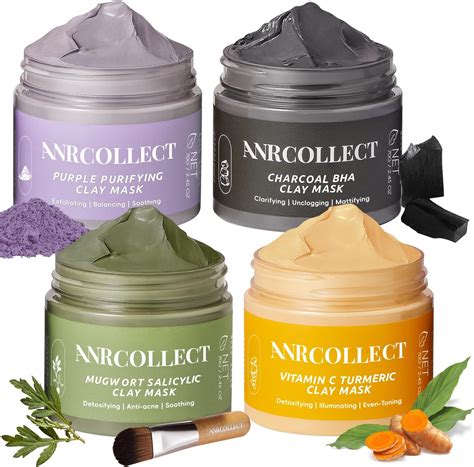
While sheet masks are popular for their convenience and ability to deliver hydration quickly, they primarily offer temporary results and generate significant waste. For individuals seeking comprehensive skincare solutions, clay masks remain a highly effective option. Products like Reviva's Problem Skin Mask, Light Skin Peel, and Fruit Enzyme Mask exemplify how clays can be adapted to address diverse skincare needs.
Ultimately, both clay and sheet masks have earned their place in skincare routines, offering unique benefits. Clay masks excel in deep cleansing, oil control, and detoxification, making them ideal for oily or acne-prone skin. Sheet masks, rich in serums, are best for immediate hydration and a dewy glow, benefiting dry or dehydrated skin. A thoughtful combination of both types can lead to radiant, balanced skin throughout the year, catering to different skin concerns and preferences.