Coconut oil has been utilized for centuries as a natural moisturizer and skin softener. Its remarkable properties extend beyond mere hydration, offering numerous additional skincare benefits that make it an indispensable component of any beauty regimen. For those seeking a comprehensive skincare solution, coconut oil is undoubtedly a worthwhile consideration.
Understanding Coconut Oil
Coconut oil is a natural oil derived from coconuts, historically employed to nourish hair, skin, face, and body. It is composed of medium-chain fatty acids (MCFAs), which are saturated fats readily metabolized by the body. Unlike common cooking oils, pure coconut oil contains no cholesterol, trans-fatty acids, or other harmful substances. Its efficacy in skincare is attributed to its inherent antioxidant properties.
Coconut Oil for Skin Health
Hydration and pH Balance
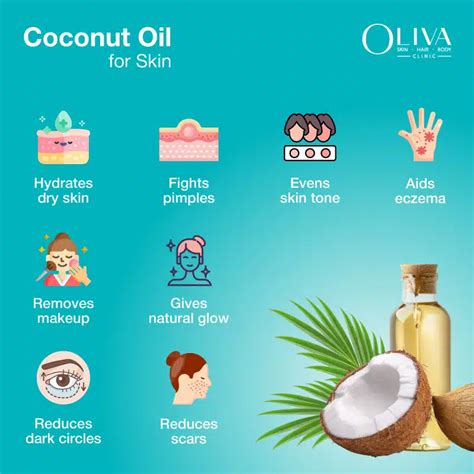
Coconut oil provides effective skin hydration without feeling excessively heavy. It plays a crucial role in restoring the natural pH balance of dry skin, leaving it feeling replenished and comfortable.
Sunburn Protection
The antioxidant properties of coconut oil, particularly its vitamin E content, offer protection against sunburn and other forms of sun damage. Vitamin E acts as a potent antioxidant, shielding the skin from free radical damage.
Eczema Relief
As a natural moisturizer, coconut oil can significantly alleviate the dryness associated with eczema. It is frequently used in conjunction with vitamin E or lavender oil for enhanced relief.
Boosting Collagen Production
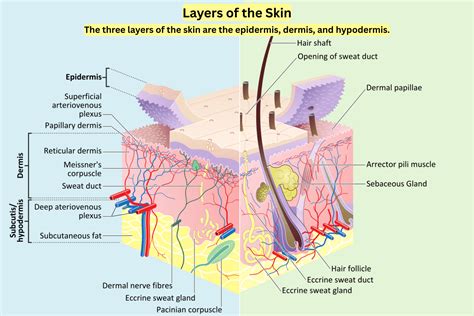
When applied to the face, coconut oil can stimulate collagen production and help maintain skin elasticity. Its ability to penetrate deep into the skin layers aids in repairing damaged cells and rejuvenating the complexion, contributing to a more radiant appearance. The easily absorbed MCFAs in coconut oil also make it an ideal carrier for essential oils in skincare formulations.
Combating Acne
Traditionally, coconut oil has been employed to treat acne due to its potent antimicrobial, anti-inflammatory, antibacterial, and antioxidant properties. These attributes make it suitable for both cosmetic and medicinal applications, potentially improving complexion and reducing the appearance of acne scars. However, individuals with oily skin should exercise caution and consult a dermatologist before using coconut oil for acne treatment, as it may not be suitable for everyone.
How to Incorporate Coconut Oil into Your Skincare Routine
Coconut oil can be applied directly to the skin or mixed with your regular face cream. Its moisturizing and antibacterial qualities make it effective as a moisturizer, cleanser, and exfoliator, promoting smooth, soft, and supple skin.
A Superior Moisturizer
Coconut oil penetrates deeply into skin cells, offering nourishment from within. It is particularly beneficial for dry or dehydrated skin, helping to lock in moisture in the epidermis without leaving a greasy residue.
An Effective Facial Cleanser
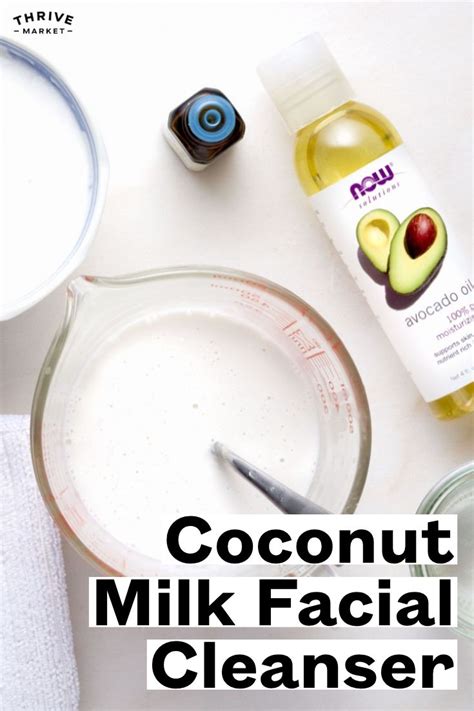
Considered an excellent facial cleanser, coconut oil effectively dissolves dirt, sebum, and impurities without leaving any residue. It is particularly adept at removing makeup when applied to dry skin first.
Gentle Facial Exfoliation
Many individuals use coconut oil for exfoliation to remove dead skin cells, leveraging its slightly abrasive texture as an organic exfoliator. To use, warm a small amount of oil between your palms until melted, then apply to dry skin, avoiding the eye area. Massage in a circular motion with your fingertips.
Choosing the Right Coconut Oil
When selecting coconut oil for skincare, opt for 100% pure and unrefined virgin coconut oil. Regular coconut oil may undergo bleaching and refining processes involving harsh chemicals, diminishing its beneficial properties.
Is Coconut Oil Safe for Facial Use?
Coconut oil is generally safe for facial application due to its nourishing and antibacterial properties. However, individuals with dry or sensitive skin should consult a dermatologist prior to use. Performing a patch test is recommended to rule out any potential allergic reactions.
Coconut Oil-Infused Skincare Products
FOREO's Coconut Oil Face Mask
FOREO's Coconut Oil Smart Face Mask is formulated for all skin types, especially dry and dehydrated skin. It aims to nourish, protect, renew dull skin, and deeply moisturize, leaving the skin radiant, dewy, smoother, and more supple.
Key Ingredients in the Mask:
- Coconut Water: Rich in amino acids and vitamin C, it naturally hydrates and brightens the complexion, replenishing electrolytes and essential proteins for dewy, fresh-looking skin.
- Baobab Seed Oil: A luxurious, nutrient-rich oil with a lightweight texture that absorbs quickly. It supports the skin's moisture barrier, preserves collagen, combats fine lines and wrinkles, and helps fight acne.
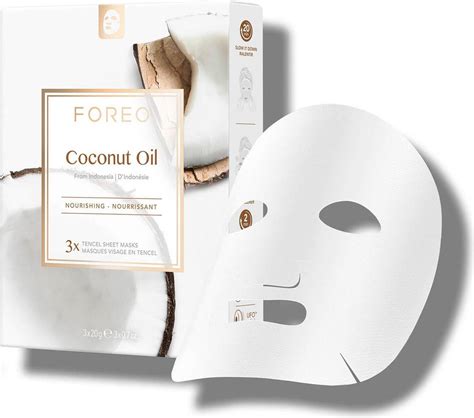
This mask can be used alone for a hydrating treatment or paired with FOREO's UFO device for a more intensive facial treatment.
The Multifaceted Benefits of Coconut Oil for Skin
Coconut oil is a versatile ingredient that offers a wide array of benefits for the skin. Its natural composition provides a thorough moisturizer, penetrating pores to deliver hydration. For application, measure ¼ teaspoon of coconut oil, rub between palms, and gently massage onto the face. The oil absorbs within 5-10 minutes, after which any excess can be wiped away with a soft cotton towel, leaving no residue.
Effective Makeup Removal
Coconut oil excels at removing stubborn and heavy makeup, even from sensitive areas like around the eyes, without the irritation associated with harsh chemical-laden products. Gently rub a small amount onto eyelids, allowing it to dissolve makeup, including waterproof mascara and eyeliner. Remove with a cotton pad or warm washcloth.
Deep Facial Cleansing
Each day, our skin is exposed to numerous environmental toxins. Coconut oil acts as a deep cleanser, purifying the skin and removing these harmful substances. Its antibacterial properties, particularly the high content of lauric acid (85%), help protect against acne-causing pathogens. As both an antibacterial agent and a moisturizer, coconut oil can help combat acne-causing bacteria while simultaneously hydrating the skin.
Mild Sun Protection and Post-Sun Care
Coconut oil possesses a natural SPF of approximately 4, offering mild protection against solar radiation. Its antioxidants also help mitigate the damaging effects of UV rays. Applying coconut oil after sun exposure can help reduce sun damage, reduce inflammation, and soothe sunburned skin.
Anti-Aging Properties
As we age, collagen production declines, leading to reduced skin elasticity and the formation of wrinkles. Environmental factors like UV rays and pollution can accelerate this process. Coconut oil's ability to penetrate the skin allows triglycerides to attract protein molecules, aiding in collagen restoration. It also forms a physical barrier against environmental pollutants that contribute to premature aging. Furthermore, coconut oil can be combined with exfoliating agents like salts and sugars to remove dead skin cells and unclog pores.
Incorporating even a small amount of coconut oil into your daily routine can significantly improve the skin's feel and appearance. Consider replacing one of your current skincare products with coconut oil for its numerous advantages.
The Oil Cleansing Method with Coconut Oil
The principle behind oil cleansing is "like dissolves like." Natural oils applied to the skin can dissolve hardened oil, impurities, and sebum that clog pores. When combined with steam from a hot washcloth, the pores open, allowing the natural oil to lift away impurities. This method is highly effective for cleansing without stripping the skin's natural moisture barrier.
Coconut oil is an excellent choice for oil cleansing due to its antimicrobial, antioxidant, and moisturizing properties. It is suitable for most skin types. For those new to this method, a small amount of essential oil, such as tea tree oil (for oily skin), lavender oil (for all skin types), or geranium oil (for dry skin), can be added to 1 teaspoon of organic, unrefined coconut oil.
Some individuals may experience a temporary increase in breakouts during the initial 2-3 weeks of oil cleansing as impurities are brought to the surface. This "detox" reaction is usually temporary. Coconut oil effectively removes makeup, including waterproof formulations, eliminating the need for a separate makeup remover.
After oil cleansing, it is recommended to use a toner, such as an apple cider vinegar facial toner, to refresh the skin and remove any excess residue. With consistent use, additional moisturizers may become unnecessary.
It is advisable to perform oil cleansing with coconut oil no more than once a day, preferably at night. For morning cleansing or freshening up, splashing with water or using a damp cloth is sufficient. If a more thorough morning cleanse is desired, a gentle detoxifying cleanser can be used.
Choosing and Storing Coconut Oil for Skincare
For skincare purposes, unrefined, virgin coconut oil is recommended. Coconut oil is solid at room temperature and melts at approximately 77 degrees Fahrenheit. It should be stored in a wide-mouth glass jar for easy scooping.
Blending Oils for Cleansing
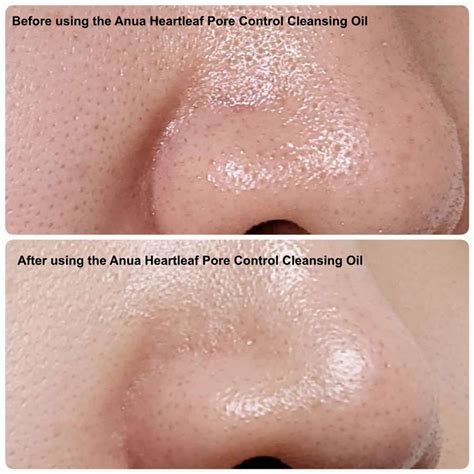
While coconut oil can be used alone, blending it with other oils can offer enhanced benefits. A typical blend includes an "astringent" oil for cleansing and a "carrier" oil to deliver the astringent oil and nourish the skin. When blending, it's recommended to use high-quality, organic, and cold-pressed oils. For sensitive skin, start with a low percentage of astringent oil (around 10%) and adjust as needed. Always perform a patch test before widespread application.
Expert Opinions on Coconut Oil for Skin
Dermatologists and cosmetic chemists acknowledge coconut oil's benefits while tempering expectations of it being a "miracle cure." Robert Finney, M.D., a board-certified dermatologist, states that while not a wonder drug, coconut oil's fatty acids, like lauric acid, possess antimicrobial properties beneficial for fighting pathogens. Cosmetic chemist Kelly Dobos notes its solid state below room temperature and easy melt into the skin.
Recommended Uses by Experts:
- Body Moisturizer: Due to its potential to clog pores, many dermatologists recommend coconut oil for body moisturizing rather than facial use, especially for blemish-prone skin. It is rich in fatty acids and offers antibacterial and anti-inflammatory benefits.
- Eczema Relief: While not a cure, coconut oil can help mitigate eczema symptoms like dryness and itching. Studies suggest virgin coconut oil may be more effective than mineral oil in soothing eczema by supporting the skin barrier and retaining moisture.
- Makeup Remover: Coconut oil effectively breaks down lipid-soluble impurities, including makeup and sebum. For those with oily or heavy makeup users, it can serve as an initial cleanse, followed by a water-based wash for a thorough clean.
- Deep Conditioner: For dry, brittle, or damaged hair, coconut oil can be used as a leave-in treatment to repair hair shafts affected by coloring, heat, or sun exposure. A hot oil pre-shampoo treatment can also soothe dry hair.
- Body Scrub: DIY body scrubs made with coconut oil and exfoliants like salts or sugars can help brighten and soften dull skin. The oil can also counteract potential irritation from exfoliation, making it suitable for sensitive skin.
- Brush Cleaner: Coconut oil can be used as the first step in a double-cleansing routine for makeup brushes, breaking down makeup residue before washing with soap and water.
- Lip Balm: Its fatty acid composition helps replenish moisture in dry, cracked lips, forming a protective barrier. Its semi-solid state at room temperature makes it a convenient and less messy option than liquid oils.
- Dandruff Treatment: Its anti-inflammatory and antimicrobial properties can help manage seborrheic dermatitis (dandruff) by softening flakes and making them easier to remove. It does not stimulate hair growth.
- Deodorant: The antimicrobial properties of coconut oil can help reduce body odor by combating odor-causing bacteria. Natural deodorants often incorporate coconut oil.
- Cuticle Oil: Applying coconut oil to dry, cracked cuticles can help repair them and prevent brittle nails.
- Hair Protectant: Coating hair ends with coconut oil before swimming can protect them from sun and chlorine damage, acting as a natural shield.
- Wound Salve: Its antimicrobial properties and oily base can aid in the healing of minor cuts and burns.
Cleansing Your Skin with Coconut Oil
Effective and nourishing skin cleansing is fundamental to any skincare routine. Sebum, the skin's natural protection, can combine with dirt and toxins, leading to pore blockages, breakouts, and a dull complexion. Proper cleansing also aids in regulating the skin's moisture system and enhances product absorption.
Coconut Oil Infused Soaps
Cleansing with soaps infused with organic, raw coconut oil offers purification from sebum buildup and other irritants without stripping the skin's natural pH balance. These soaps target bacteria and inflammation with natural healing properties. Regular cleansing helps reduce the impact of environmental factors that accelerate aging, wrinkles, and dullness. Plant-based, toxin-free soaps ensure that the skin is cleansed without added stress.
The active ingredient in these products, raw, organic coconut oil, holistically hydrates and heals the skin after impurities are removed. Traditional, handcrafted, cold-pressed bar soaps effectively cleanse by breaking down bacteria and trapping dirt in micelles, which are then rinsed away.
Coconut oil's unique molecular structure, comprising medium-chain triglycerides, lauric acid, and fatty acids, provides antibacterial, antiviral, antifungal, and anti-inflammatory properties, making it highly effective for treating various skin conditions.
A Guide to Removing Makeup with Coconut Oil
Many conventional cleansers struggle with waterproof mascara and smudge-proof makeup. Using coconut oil on a cotton pad is an effective way to break down these stubborn materials due to its oil-bonding properties. After makeup removal, any excess oil can be massaged into the eye area with gentle circular motions.
Oil Cleansing with Coconut Oil
The notion that all oils are detrimental to the skin, particularly oily skin, is a misconception. Plant-based oils offer numerous benefits. Recent studies and ancient beauty philosophies highlight the advantages of high-quality, raw oils in hydrating and balancing the skin. Cleansing with coconut oil is a multifunctional practice that cleanses, hydrates, heals, protects, and is environmentally friendly.
Benefits of Oil Cleansing:
- Breaks down stubborn matter like makeup and dirt through oil bonding.
- Soothes and protects sensitive skin with anti-inflammatory properties.
- Reduces breakouts by removing dirt and purifying pores.
- Protects the skin's natural lipid layer and beneficial bacteria.
- Supports the skin's natural microbiome, enhancing immunity and defense.
- Offers antibacterial, antiviral, antifungal, and antimicrobial benefits.
How Oil Cleansing Works:
The principle of "like attracts like" suggests that applying a clean, raw oil to the skin will attract and lift excess sebum, unclog pores, and remove grime trapped under oil layers. This process locks in moisture, balances the complexion, and helps regenerate the skin's surface, keeping it supple and youthful. Harsh cleansers can strip the skin's "Acid Mantle," leading to increased oil production, dryness, and irritation. Oil cleansing helps maintain this protective barrier.
Why Use Coconut Oil for Oil Cleansing:
It is crucial to use high-quality, raw, and unrefined coconut oil for oil cleansing. Organic Fiji's Raw Coconut Oil is USDA Certified Organic, raw, unprocessed, cold-pressed, unrefined, extra virgin, and ethically produced, ensuring purity and effectiveness.
Performing an Oil Cleanse with Coconut Oil:
- Place approximately 1 teaspoon of raw, organic coconut oil in the palm of your hand.
- Apply the oil to your dry face using small, gentle circular motions, focusing on problem areas.
- Massage the oil into your skin with your fingertips for about 2 minutes to penetrate the skin and bind dirt and dead skin cells to the oil.
- Gently wipe away the oil with a smooth, warm, damp washcloth. (For very dry skin, rinsing with water is an option.)
- Pat your skin dry with a towel. It should feel moisturized but not greasy.
- If needed, follow with a natural moisturizing lotion or a light rinse with a natural cleansing soap to reduce excess oil.
It may take several oil cleansing sessions for the skin to adjust its natural oil production. A temporary "pore-purge" may occur as deep-seated impurities are released. If breakouts persist, a thorough wash with soap may be necessary.

Other Skin Cleansing Tips:
- Lukewarm Water: Use lukewarm water for cleansing to avoid shocking the skin and stripping natural oils.
- Double Cleanse: For those who wear heavy makeup, sunscreen, or are exposed to pollutants, a double cleanse in the evening can be beneficial. The first cleanse removes surface impurities, and the second cleanses deeper into the pores.
- Skin Diary: Keeping a skin diary can help you monitor how your skin reacts to different cleansing routines and products.
- Skip Chemicals: Opt for gentle, pure cleansers to maintain the skin's natural balance.
Your Skin Cleansing Routine
Mindful skincare routines are built on awareness of how products and practices affect your skin. Cleansing should ideally be done morning and night, adjusted based on individual skin reactions and daily exposure to pollutants.
AM Cleansing:
Morning cleansing removes impurities purged by the skin overnight, such as dirt, bacteria, and dead cells. Cleansing before applying morning skincare products enhances their absorption and effectiveness.
PM Cleansing:
Washing your skin before bed is crucial for a healthy complexion. It allows the skin to perform essential repair, physiological changes, and regenerative functions. Impurities can hinder these processes and reduce oxygen access, potentially creating free radicals. Cleansing also helps prevent overnight hydration loss.
Cleansing Your Hair with Coconut Oil
Multifunctional coconut oil-infused bar soaps can also serve as a shampoo. These eco-friendly and biodegradable soaps produce a rich lather that cleanses the hair and scalp without residue or stripping natural moisture. This makes them a convenient option for travel and minimalist lifestyles.
Coconut Oil Products by Organic Fiji
Organic Fiji offers organic body care products steeped in traditional South Pacific wellness rituals. Their artisan products, USDA Certified Organic since 2007, are vegan, cruelty-free, eco-friendly, and ethically created, free from GMOs, PEGs, parabens, phthalates, sulfates, artificial colors, synthetic fragrances, and harsh chemicals. Their commitment to mindful and minimal ingredients honors island roots and traditional practices.