Collagen is a crucial group of proteins that form the structural foundation of your body. Your body naturally synthesizes collagen from the amino acids obtained through your diet. However, for collagen to be absorbed and utilized, it must first be broken down into smaller amino acid components. This is why collagen supplements are not, in essence, pure collagen but rather provide the necessary building blocks.
Collagen serves as a fundamental building block for protein within the body, contributing to bodily functions in a manner similar to consuming any other protein source. Edible sources of protein, whether animal- or plant-based, provide the essential amino acids required for protein synthesis, including collagen. Collagen is naturally present in all animal muscle tissue (excluding organ tissue), bone broth, egg whites, and spirulina.
Your body constructs collagen and other proteins by combining various amino acids. This process necessitates a healthy diet rich in all essential amino acids. While collagen supplements can offer additional amounts of certain amino acids, they do not provide a complete spectrum. The key to meeting your body's protein needs lies in consuming a balanced and healthy diet that offers a diverse range of amino acids.
It's important to understand that when you consume foods rich in collagen, your body breaks them down to access amino acids and other nutrients. Therefore, eating foods that are high in collagen does not directly supply your body with pre-formed collagen. Similarly, it's not possible to target collagen intake for specific issues like reducing skin wrinkles, alleviating joint pain, or promoting hair growth. Your body determines how it utilizes the amino acids from food or supplements based on its own needs and goals.
Supplements are intended to complement your regular diet and enhance the benefits your diet already provides. Collagen supplements are typically derived from the connective tissues, bones, and other parts of animals such as cows, pigs, chickens, and fish. These sources can potentially contain toxins and heavy metals, which may pose health risks. As with all dietary supplements, collagen is not regulated by the Food and Drug Administration (FDA), meaning its effectiveness and safety are not subject to mandatory proof.
If you choose to use collagen supplements, it is advisable to select products that have undergone third-party testing for safety and efficacy. Collagen supplements can also represent a significant financial investment. While more affordable options may be found online, it is crucial to exercise caution. Although some research is exploring the connection between collagen and cancer, there is insufficient evidence to recommend collagen supplements for individuals diagnosed with cancer or undergoing treatment.
Your lifestyle choices significantly influence your body's natural collagen production and its effectiveness. In addition to maintaining a protein-rich diet, several lifestyle adjustments can help preserve existing collagen:
- Protect your skin from UV rays: Sun exposure damages skin collagen, leading to wrinkles and loss of elasticity, which can contribute to an aged appearance.
- Avoid smoking: Smoking negatively impacts all bodily systems, including the skin. If you smoke, quitting is highly recommended.
- Limit added sugar: Excessive sugar intake can react with collagen in the skin, making it stiffer and less elastic.
In summary, the body requires amino acids to synthesize collagen. While collagen supplements can provide these nutrients, there is limited scientific evidence to support their efficacy in improving skin, hair, or overall health. Collagen is a protein integral to maintaining healthy joints and skin elasticity. It is present in bones, muscles, and blood, constituting three-quarters of your skin and one-third of your body's total protein.
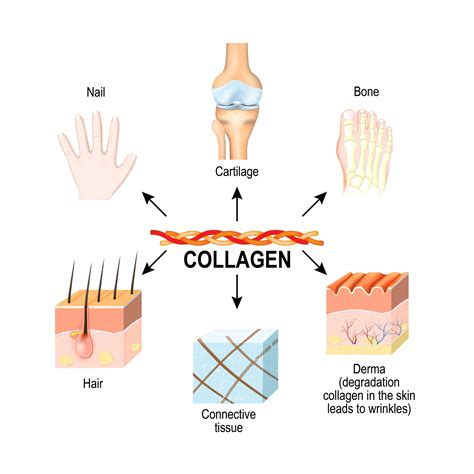
The Role of Collagen in the Body
Collagen is a structural protein that provides strength, support, and elasticity to various tissues throughout the body. It plays a fundamental role in maintaining the integrity of skin, bones, muscles, tendons, ligaments, cartilage, and connective tissues. It is also found in organs, blood vessels, and the intestinal lining.
The primary amino acids essential for collagen synthesis are proline, glycine, and hydroxyproline. These amino acids assemble into protein fibrils arranged in a triple helix structure. The body also requires adequate amounts of vitamin C, zinc, copper, and manganese to facilitate this triple helix formation.
Specific functions of collagen include:
- Assisting fibroblasts in the dermis (the middle layer of skin) to promote new cell growth.
- Playing a role in the replacement of dead skin cells.
- Providing a protective covering for organs.
- Imparting structure, strength, and elasticity to the skin.
- Aiding in blood clotting.
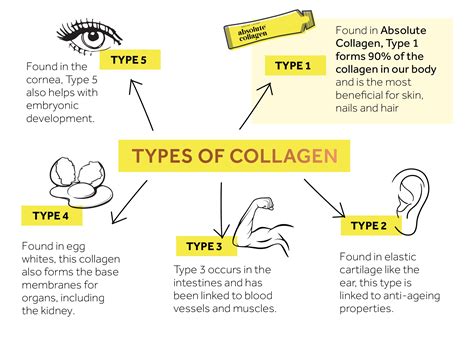
Types of Collagen
Scientists have identified numerous types of collagen, with 29 distinct varieties documented. These types differ in how their molecules are assembled, the additional cell components they incorporate, and their specific locations within the body. All collagen fibrils possess at least one triple helix structure.
The five main types of collagen and their functions are:
- Type I: Constituting approximately 90% of the body's collagen, Type I is densely packed and provides structural integrity to skin, bones, tendons, and ligaments.
- Type II: Found in elastic cartilage, this type is crucial for joint support.
- Type III: This type is present in muscles, arteries, and organs.
- Type IV: Located in various layers of the skin.
- Type V: Found in the cornea of the eyes, certain skin layers, hair, and placental tissue.
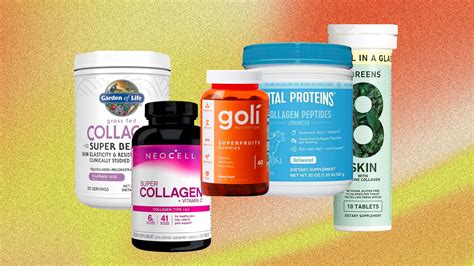
Most collagen supplements typically contain Types I, II, and III, as these are the most prevalent forms in the body. These supplements often come in a digestible form known as collagen peptides or hydrolyzed collagen. While most are derived from animal sources, vegan collagen powders made from bacteria and yeast are also available, though their benefits compared to animal-derived collagen are still under investigation.
Collagen Peptides and Hydrolyzed Collagen
Since collagen cannot be absorbed in its whole form, it must be broken down into smaller peptides or amino acids. Collagen peptides are essentially small fragments of animal collagen, making them the active components in collagen supplements. They are readily absorbed through the gastrointestinal tract.
Hydrolyzed collagen is another term used for collagen that has undergone a process of breaking down its long protein chains into smaller, more easily digestible peptides. This process enhances the bioavailability of collagen, allowing it to be more effectively absorbed and utilized by the body.
Forms of Collagen Supplements
Collagen supplements are available in various forms to suit different preferences:
- Collagen Powder: This form contains the same active ingredients as capsules and gummies but allows for flexible dosing. It can be easily incorporated into drinks, smoothies, baked goods, soups, coffee, or tea.
- Collagen Capsules: A convenient option for those who prefer not to taste the supplement or want precise dosing.
- Collagen Gummies: These are often flavored and may appeal to those who dislike swallowing pills. However, they can sometimes contain added sugars.
- Collagen Liquid: Available as premade drinks or packets to be mixed into beverages. These often come in various flavors and may include additional beneficial ingredients.
Nutritional Information of Collagen Peptides
A typical serving of 14 grams of collagen peptide powder provides approximately:
- Calories: 50
- Protein: 12 grams
- Fat: 0 grams
- Carbohydrates: 0 grams
- Fiber: 0 grams
- Sugar: 0 grams
Additionally, this serving size contains essential minerals such as 29 milligrams of calcium, 44.9 milligrams of sodium, and 0.98 milligrams of potassium.
Collagen and Protein Intake
Collagen supplements can contribute to your daily protein intake. Collagen contains eight out of the nine essential amino acids required by the body for protein synthesis. The missing essential amino acid, tryptophan, is readily found in many common foods like dairy, meats, seafood, tofu, nuts, and grains.
Research indicates that most individuals can obtain up to one-third of their daily protein requirements from collagen while still meeting their essential amino acid needs. However, it's important to note that the body breaks down ingested collagen into amino acids, which are then reassembled into new proteins. These newly formed proteins may not necessarily be identical to the original collagen structure, meaning you cannot direct their benefits to specific areas like skin or joints.
Potential Benefits of Collagen Supplements
While scientists continue to research and debate the precise benefits of collagen powder and other supplements, there is growing evidence supporting certain advantages. Some commonly cited benefits include:
Stronger Bones
As individuals age, bone density can decrease, making bones more brittle and prone to fractures. Some studies suggest that daily collagen supplementation may help increase bone density, potentially slowing down age-related bone weakening and supporting new bone formation.
Skin Elasticity and Hydration
Collagen supplements have demonstrated an ability to enhance skin hydration and elasticity, particularly in older adults. They may also contribute to a reduction in the appearance of wrinkles.

Thicker Hair
While hair thinning is more commonly associated with men, women also experience hair loss or thinning with age. Some research indicates that daily collagen supplementation can lead to increased hair quantity, scalp coverage, and thickness in women with thinning hair.
Healthier Nails
For individuals who experience brittle nails that grow slowly, collagen supplements may offer a solution. One study showed faster nail growth and a decrease in broken or chipped nails after just 4 weeks of daily collagen supplementation.
Reduced Osteoarthritis Pain
For individuals suffering from knee osteoarthritis, collagen supplements may act as a mild pain reliever and improve joint function. These improvements may become noticeable after approximately 3-5 months of consistent daily intake.
Increased Muscle Mass
A small study involving men who participated in a 12-week strength training program found that those who took collagen peptide supplements experienced greater increases in muscle mass and strength compared to a placebo group.
Improved Heart Health
Collagen plays a role in maintaining the structure and flexibility of arteries and blood vessels. A deficiency in collagen can weaken these vessels, increasing the risk of atherosclerosis, which can lead to heart attack or stroke. Preliminary research in healthy individuals suggests that collagen supplementation may help maintain healthier arteries and reduce atherosclerosis risk.
Potential Risks and Considerations
While collagen supplements are generally considered safe, there are a few points to consider:
Pregnancy and Breastfeeding
Due to a lack of comprehensive research on their safety during these periods, it is generally advised to avoid collagen supplements if you are pregnant or breastfeeding.
FDA Regulation
It is crucial to remember that the FDA does not regulate collagen powder or other dietary supplements. This means there is no guarantee that the supplement contains the type or amount of collagen indicated on the label. There is also a potential risk of contamination with pesticides, bacteria, or other substances. As many supplements are derived from animals, they might contain heavy metals or other toxins accumulated in animal bones. Always purchase supplements from reputable sources.
Contamination and Toxins
The sourcing of collagen from animal tissues means there is a possibility of contamination with heavy metals, pesticides, or other harmful substances. Choosing products that are third-party tested can help mitigate this risk.
Cost
Collagen supplements can be expensive, and while more affordable options may be found online, caution is advised.
Lack of Targeted Effects
As mentioned earlier, the body breaks down collagen supplements into amino acids, and it is the body that decides how to reassemble them. Therefore, you cannot guarantee that the supplement will specifically target areas like skin, hair, or joints.
Boosting Natural Collagen Production Through Diet
Instead of relying solely on supplements, you can significantly support your body's natural collagen production through diet. Ensuring your diet is rich in healthy foods that provide the necessary building blocks is key.
To produce collagen, your body combines amino acids like glycine and proline with other essential nutrients such as vitamin C, zinc, and copper. Incorporating a variety of nutrient-rich foods can help:
Glycine and Proline-Rich Foods
- Bone Broth: Made by simmering animal bones and connective tissues, bone broth is an excellent source of collagen and gelatin.
- Fish with Skin On: The skin of fish is particularly rich in collagen.
- Chicken: Especially the connective tissues found in chicken meat and feet.
- Red Meat: Tougher cuts of meat like pot roast and brisket, which contain ample connective tissue.
- Other Protein Sources: Eggs, dairy products, and beans also contribute amino acids necessary for collagen synthesis.
Vitamin C-Rich Foods
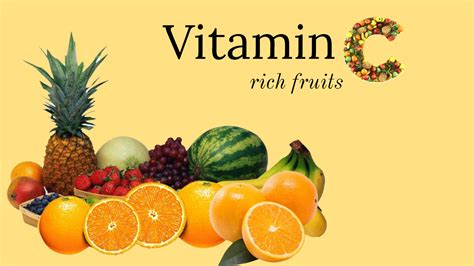
Vitamin C is vital for collagen synthesis. Excellent sources include:
- Citrus fruits (oranges, grapefruits)
- Berries (strawberries, blueberries)
- Bell peppers
- Tomatoes
- Leafy greens (spinach, kale)
- Broccoli
- Cauliflower
- Papaya
Zinc and Copper Sources
- Zinc: Found in oysters, red meat, poultry, pork, beans, chickpeas, nuts, broccoli, leafy greens, whole grains, and dairy products.
- Copper: Present in organ meats, cocoa powder, cashews, sesame seeds, and lentils.
Other Beneficial Foods
- Aloe Vera: Low doses of aloe vera may help boost collagen in the skin, improving its barrier function, elasticity, and moisture.
Collagen in Medicine and Cosmetics
Collagen's unique properties make it valuable in various medical and cosmetic applications. It can be processed and absorbed by the body, making it suitable for:
- Dermal Fillers: Injected to fill wrinkles and shallow depressions in the skin.
- Wound Dressings: Collagen promotes wound healing by attracting new skin cells.
- Periodontics: Used as a barrier to support gum tissue regeneration.
- Vascular Prosthetics: Donor collagen tissue grafts can be used in reconstructing arteries and blood vessels.
Dosage and Safety
Research suggests that adults can safely consume between 2.5 and 15 grams of collagen per day. Many individuals opt for 1-2 tablespoons of collagen powder daily. It is generally not possible to "overdose" on collagen, as it is essentially a protein. However, excessive protein intake can potentially strain kidney health. It is always recommended to consult with a doctor before starting any new supplement regimen.
While side effects from collagen powder, capsules, liquids, or gummies are rare, it's important to choose products from reputable brands. As dietary supplements are not regulated by the FDA in the same way as medications, their quality, purity, and effectiveness can vary.
Liquid Collagen: Forms and Potential Benefits
Liquid collagen is a popular form of supplementation, often flavored and ready for direct consumption. It typically contains hydrolyzed collagen peptides, which are easily absorbed by the body. Many liquid collagen products also include additional ingredients like biotin, hyaluronic acid, vitamin C, and zinc to enhance their health benefits.
While research on liquid collagen specifically is still evolving, the general benefits associated with oral collagen supplements are thought to apply. These may include improvements in skin elasticity, hydration, and a reduction in wrinkles. Some studies also suggest potential benefits for joint health, cardiovascular health, and muscle mass, though more extensive research is needed to confirm these effects.
A dermatologist explains how collagen powder affects your body | SELF IMPROVED
Conclusion
Collagen is an indispensable protein for maintaining the structural integrity and function of numerous bodily tissues. While the body produces collagen naturally, its production declines with age. Collagen supplements, available in various forms, may offer potential benefits for skin, hair, nails, bones, and joints. However, it's crucial to approach supplementation with informed caution, prioritizing reputable brands, understanding that effects are not targeted, and consulting with healthcare professionals. A balanced diet rich in protein, vitamin C, zinc, and copper remains a cornerstone for supporting the body's natural collagen synthesis and overall health.