Cosmetic concerns can significantly impact one's self-esteem, particularly as the natural aging process leads to visible changes in appearance. While embracing one's age is a valid choice, some individuals experience signs of aging prematurely due to genetic factors, environmental exposure, or nutritional deficiencies. In response to these concerns, the cosmetic industry offers a range of products and procedures aimed at restoring a more youthful appearance.
Among the well-known cosmetic procedures is the collagen lift, a treatment that has generated discussion among various demographics. Technically a sub-category of facelift procedures, a collagen lift is designed to counteract the effects of aging on the skin.
Understanding Facelifts: Surgical vs. Non-Surgical
Facelifts are broadly categorized into two main types:
- Surgical Facelift (Rhytidectomy): This invasive procedure involves a surgeon making incisions in the skin of the face to tighten it. It may also include fat redistribution or adjustment of facial muscles.
- Non-Surgical Facelift: These procedures do not involve surgical intervention and are strictly non-invasive. There are various types of non-surgical facelifts, each with its own set of steps depending on the specific technique.
A key advantage of collagen lifts is that they fall under the non-surgical category, meaning they do not require significant downtime or recovery periods.
What is a Collagen Lift?
Contrary to common misconceptions, a collagen lift does not involve injecting collagen into the body. Instead, these procedures are designed to stimulate the body's natural ability to produce more collagen. Many people believe that dermatologists create collagen for cosmetic purposes and that it involves direct injection. However, collagen lifts focus on stimulating specific nerves and body parts to enhance natural production.
Methods of Collagen Stimulation
Several methods are employed to stimulate collagen production as part of a collagen lift:
Laser Skin Resurfacing
This treatment uses intense beams of light projected onto key areas of the face to remove older layers of skin. While this process rejuvenates the complexion, the heat generated by the lasers also stimulates the body's collagen growth.
Microneedling
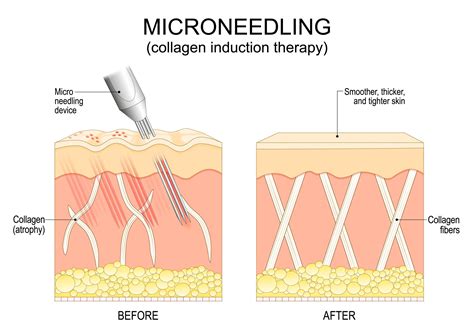
Microneedling involves the use of very fine needles to create tiny punctures in the skin. Despite its appearance, this process is not typically painful and is often compared to acupuncture. The micro-injuries stimulate the growth of collagen and elastin, which can help reduce loose skin, wrinkles, enlarged pores, and sun damage. Results from microneedling can take up to six months to become fully apparent.
While some cosmetic facilities may use other methods, such as massage wands to stimulate nerves, major medical professionals primarily recognize laser skin resurfacing and microneedling as established collagen lift procedures. These treatments are increasingly popular among individuals seeking to address premature signs of aging.
Benefits of Collagen Lifts
The primary goal of a collagen lift is to enhance the body's collagen content, thereby revitalizing the skin's ability to heal and maintain a youthful appearance without external intervention. Collagen is a crucial protein naturally produced by the body, especially during embryonic development, and it plays a vital role in creating and repairing skin tissue throughout life.
As individuals age, the potency of naturally produced collagen decreases, and its breakdown accelerates, making it harder for the body to keep up with skin repair and maintenance. Collagen lift procedures aim to improve the body's efficiency in producing collagen, even in the face of age-related decline. This increased production can help prioritize wrinkle reduction and improve skin elasticity over simply preserving structural integrity.
Key benefits include:
- Reduction of wrinkles and fine lines.
- Restoration of lost skin volume.
- Improvement in overall skin texture.
- Stimulation of the body's natural collagen production.
- A non-surgical approach with minimal downtime.
- Potential for natural-looking results.
Risks and Considerations of Collagen Lifts
Despite their popularity and benefits, collagen lifts are not without their drawbacks and potential issues. Like all non-surgical facelifts, they carry certain risks.
Cost
The price of a facelift varies based on individual needs and the extent of the treatment. Non-surgical facelifts typically range from $200 to $3,000 per session. This can be a significant financial commitment, especially for individuals on a tight budget.
Multiple Treatments and Permanence
Most collagen lift procedures, particularly microneedling, require multiple sessions to achieve desired results, and the effects are not permanent. This can be a challenge for those with financial constraints.
Other Potential Complications
While severe complications are more common with invasive procedures like botulism injections or dermal fillers (which can cause fever and nausea), non-surgical treatments carry risks related to the application of heat (lasers) or sharp instruments (microneedling). However, these are generally managed and less severe.
The fundamental challenge with collagen lifts is that while they stimulate production, the body's ability to sustain high levels of collagen synthesis may be compromised with age. If the body already struggles with producing new peptides, the stimulation might not yield significant or lasting results.
Collagen Supplements as an Alternative
Due to the challenges associated with collagen deficiencies and the potential limitations of collagen lifts, collagen supplements have gained significant popularity. Scientific studies have supported the benefits of these supplements:
- A review of studies indicated that subjects taking 3 to 10 grams of collagen daily for an average of 69 days experienced improved skin hydration and elasticity.
- Collagen's status as a naturally occurring protein makes supplements generally safe when consumed as directed.
Collagen supplements offer a more cost-effective and accessible alternative for many individuals. While results may not be as immediate as with injections, they provide a scientifically backed approach to improving skin health from within.
Collagen Injections: A Different Approach
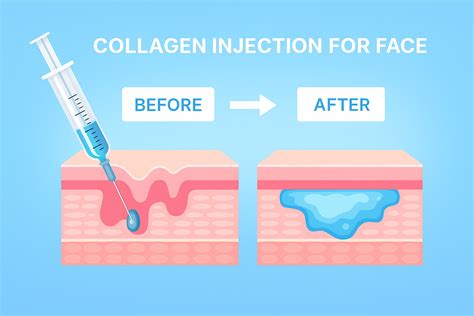
It's important to distinguish collagen lifts from collagen injections, which are a direct method of replenishing lost collagen. Collagen is the primary protein in connective tissue, making up a significant percentage of the skin. Its role is to maintain skin integrity, but its production declines with age, leading to wrinkles, lines, and folds.
Types of Collagen Fillers
Several types of collagen fillers exist, including those made from human collagen (e.g., CosmoDerm, Cosmoplast) and bovine collagen (e.g., Zyderm, Zyplast). In the United States, Bellafill is a prominent FDA-approved collagen filler, often combined with polymethyl methacrylate (PMMA) microspheres to provide a scaffold for natural collagen development.
The Injection Procedure
Collagen injections are typically administered in a doctor's office, often without anesthesia, though the filler itself may contain lidocaine. Multiple injections might be needed to address wrinkles and depressions. The procedure is relatively quick, with immediate results becoming fully evident within a week. Some initial overfilling may occur, which typically dissipates to create a natural look.
Collagen Injection
Potential Side Effects of Collagen Injections
While generally safe, collagen injections can have side effects:
- Common: Swelling, bruising, pain, itching at the injection site. These usually resolve within days.
- Less Common: Allergic reactions (especially with bovine collagen, necessitating a skin test), skin darkening, ruptured blood vessels, skin peeling, lumps, scarring, and uneven skin tone.
- Rare but Serious: Infection, wound on the face if a blood vessel is penetrated too deeply, and blindness if the injection is too close to the eyes.
Duration of Results
The effects of collagen injections are immediate but temporary, typically lasting from 6 weeks to 6 months, or longer in some cases. Maintenance treatments, often 2 to 4 times a year, are usually required to sustain the results.
Alternatives to Collagen Treatments
Given the potential downsides of collagen treatments, various alternatives exist:
- Preventative Skincare: Maintaining good skincare habits and a healthy lifestyle can significantly impact skin texture and future appearance.
- Lotions: Some lotions can reduce fine wrinkles by stimulating cell turnover or temporarily plumping the skin.
- Microdermabrasion and Dermabrasion: These exfoliation techniques remove the top layer of skin to reveal smoother, younger-looking skin underneath.
- Chemical Peels: Chemicals are used to exfoliate dead skin cells, revealing fresher skin.
- Injectable Fat (Microlipoinjection): The patient's own fat is transferred from one area of the body to another, reducing allergy risks.
- Other Dermal Fillers: Fillers based on hyaluronic acid (HA) are popular for their hydrating and plumping effects, though they are temporary.
- Collagen Stimulators: Products like Sculptra Aesthetic use poly-L-lactic acid (PLLA) to stimulate the body's own collagen production over time, with results lasting up to two years.
- Ultrasound Skin Tightening (e.g., Ultherapy): This non-invasive technology uses focused ultrasound energy to penetrate deep skin layers, stimulating collagen production for a lifted and tightened appearance without surgery.
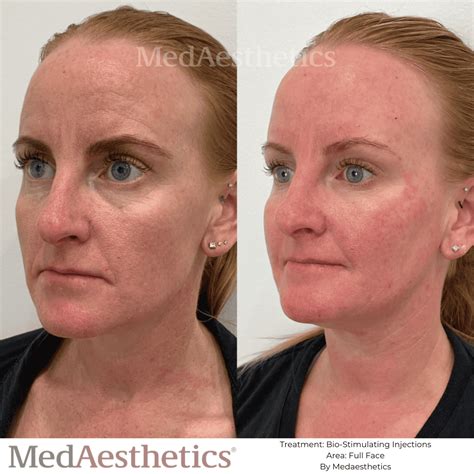
When considering any cosmetic procedure, it is crucial to consult with a qualified and experienced healthcare professional to discuss individual needs, potential risks, and the most suitable treatment options.