Collagen has become a popular topic, especially within skincare content on social media. It is a crucial protein building block that forms the structural foundation of our skin, bones, and connective tissues. Collagen plays a vital role in strengthening our bones and maintaining skin hydration and preventing dullness. However, the body's natural collagen production declines with age. This decline can be addressed through dietary changes and supplements aimed at boosting collagen levels. This is where collagen and collagen peptides come into play. Understanding their differences is key to choosing the right product for your needs.
What is Collagen?
Collagen is the most abundant protein produced by the human body, making up approximately 30% of the body's total protein content. It serves as the primary building block for the skin, muscles, bones, tendons, ligaments, and other connective tissues. Collagen is also present in organs, blood vessels, and the intestinal lining.
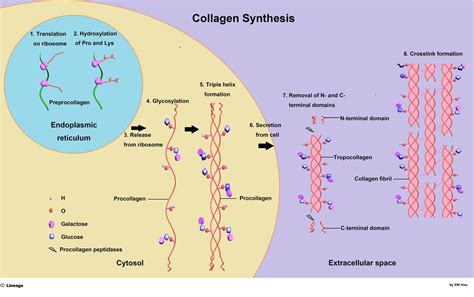
Proteins are composed of amino acids. The main amino acids that constitute collagen are proline, glycine, and hydroxyproline. These amino acids arrange themselves into protein fibrils in a triple helix structure. The formation of this triple helix also requires adequate amounts of vitamin C, zinc, copper, and manganese.
Collagen is made from three chains of amino acids arranged in a helix pattern and is found in our muscles, tendons, cartilage, skin, and bones. Amino acid glycine is present in most collagen chains, with proline and hydroxyproline also being common. In addition to being a foundational building block, collagen is specifically useful for tissue repair and maintaining a healthy immune response.
Types of Collagen
There are approximately 28 identified types of collagen, each differing in molecular assembly, added cell components, and bodily function. All collagen fibrils possess at least one triple helix structure.
The Main Types of Collagen:
- Type I: This type accounts for 90% of the body's collagen. It is densely packed and provides structure to the skin, bones, tendons, and ligaments.
- Type II: Found in elastic cartilage, it provides joint support.
- Type III: Present in muscles, arteries, and organs.
- Type IV: Located in the layers of the skin.
- Type V: Found in the cornea of the eyes, some skin layers, hair, and placental tissue.
What Does Collagen Do?
Collagen's primary role is to provide structure, strength, and support throughout the body. Its specific functions include:
- Assisting fibroblasts in the dermis (middle skin layer) to form, which promotes new cell growth.
- Playing a role in the replacement of dead skin cells.
- Providing a protective covering for organs.
- Giving structure, strength, and elasticity to the skin.
- Aiding in blood clotting.
Collagen Decline with Age and Other Factors
As individuals age, the body produces less collagen, and existing collagen breaks down more rapidly. Furthermore, the quality of collagen diminishes over time. Women experience a significant reduction in collagen production after menopause, and a general decline in collagen production is normal after age 60.
Several factors contribute to collagen decline:
- Smoking: Decreases collagen production, damages collagen and elastin, leading to wrinkles and slow wound healing. Nicotine constricts blood vessels, hindering nutrient and oxygen delivery to the skin.
- Excessive Sugar and Refined Carbohydrates: Sugar attaches to proteins, forming advanced glycation end products (AGEs) that damage collagen, making it weak, dry, and brittle.
- Ultraviolet (UV) Light Exposure: Excessive sunlight reduces collagen production and accelerates its breakdown, contributing to wrinkles.
Other factors that can damage collagen include:
- Autoimmune Diseases: Conditions like rheumatoid arthritis, lupus, dermatomyositis, and scleroderma can attack collagen.
- Genetic Mutations: Errors in collagen construction can lead to conditions such as Ehlers-Danlos syndrome and osteogenesis imperfecta.
While collagen levels cannot be directly measured through a blood test, observable signs like wrinkles, slow wound healing, and decreased skin elasticity can indicate a decline.
What are Collagen Peptides?
Collagen peptides, also known as hydrolyzed collagen, are smaller fragments of animal-derived collagen. They are produced through a process called hydrolysis, where large collagen molecules are broken down into smaller, more easily digestible and absorbable pieces. This process makes collagen peptides significantly more bioavailable, meaning the body can absorb and utilize them more effectively.
Collagen peptides play a role in stimulating the body's production of new collagen proteins and repairing existing ones. While research in this area is relatively new, studies are beginning to show promising results. For example, some research indicates that collagen peptide supplements can contribute to improvements in various aspects of skin health.
What Do Collagen Peptides Do?
Numerous potential benefits of collagen peptide supplements are suggested, though only a few have been extensively researched. Among these potential benefits are improvements in aging skin and osteoarthritis.
While these peptides are primarily consumed to repair damaged collagen, they may also assist with other health issues:
- Cartilage Deterioration: Recent studies are exploring the link between collagen peptide supplements and the mitigation of osteoarthritis.
- Heart Conditions: Arteries rely on collagen for their structure. Collagen peptide supplements could potentially reduce the risk of heart conditions by maintaining healthy arteries.
- Muscle Mass: When combined with exercise, collagen peptides may help prevent sarcopenia, the age-related loss of muscle mass.
- Skin Health: Studies have demonstrated a positive correlation between collagen peptide supplements and improvements in skin health, such as enhanced hydration and elasticity.
How collagen peptides work
What's the Difference Between Collagen and Collagen Peptides?
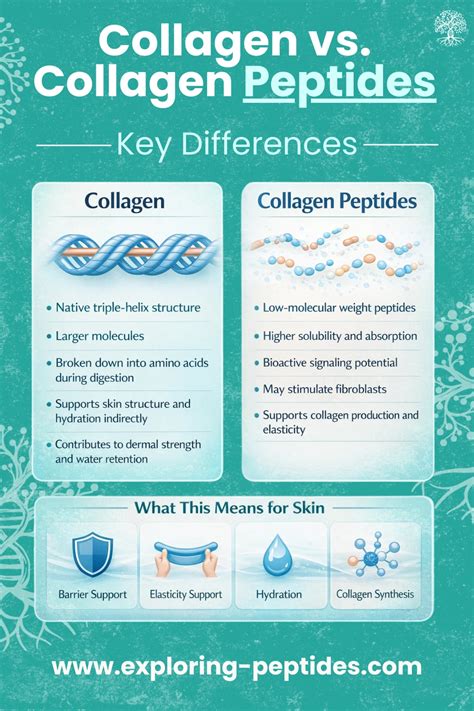
The fundamental difference between collagen and collagen peptides lies in their structure and bioavailability. Collagen peptides are essentially a broken-down form of whole collagen. Hydrolysis breaks down animal collagen into smaller peptides.
While collagen is a complete protein, collagen peptides are fragments of that protein. Whole collagen is difficult for the body to digest and absorb. In contrast, collagen peptides are significantly more accessible. When consuming a whole collagen supplement, the body can only utilize a small fraction of it compared to a collagen peptide supplement. This difference in bioavailability is the primary reason for the popularity of collagen peptides as an alternative to whole collagen.
It is important to emphasize that the value of collagen peptides lies in their potential to aid the body in repairing or producing collagen. Therefore, while collagen peptides might be an effective way to achieve this, the ultimate goal is to maintain whole and healthy collagen within the body.
Bioavailability: The Key Distinction
The primary distinction between collagen and collagen peptides is the body's ability to absorb and utilize them. Whole collagen molecules are large and complex, making them challenging for the digestive system to break down effectively. As a result, when you consume whole collagen, a significant portion may not be absorbed and utilized by the body.
Collagen peptides, being smaller fragments, bypass much of this digestive processing. They are more readily absorbed through the gastrointestinal tract and can be more efficiently delivered to tissues that require collagen for repair and synthesis. This enhanced bioavailability makes collagen peptides a more effective option for individuals seeking to supplement their body's collagen levels.
Which is Better: Collagen or Collagen Peptides?
While the ultimate objective is to support the body's collagen levels, collagen peptides may be the superior method to achieve this. Due to the low bioavailability of whole collagen and the relatively high bioavailability of collagen peptides, the latter may offer more significant benefits for individuals aiming to experience collagen's advantages.
Although more research is necessary to fully understand the range of benefits offered by both collagen and collagen peptide supplements, preliminary evidence appears to support the use of collagen peptides. It is crucial to remember that collagen exists in different types, and supplements come in various forms.
Effectiveness and Research
There is a notable lack of randomized controlled trials (RCTs) for dietary supplements, which are considered the gold standard for testing the effectiveness of medications. The few RCTs that have been conducted suggest that collagen peptides may be effective in improving skin hydration and elasticity.
It is important to note that the U.S. Food and Drug Administration (FDA) does not regulate collagen supplements in the same way as medications. Manufacturers are not required to prove the safety or effectiveness of their products before they are marketed. Furthermore, many studies on supplements are funded by the industry, or the authors may have financial ties to it, which could potentially influence the findings.
Therefore, it remains uncertain whether collagen supplements consistently deliver the benefits advertised on their labels. Additionally, it's important to understand that ingesting collagen peptides, whether from food or supplements, cannot be directly targeted to a specific area of the body for use.
Types of Collagen and Collagen Peptides Supplements
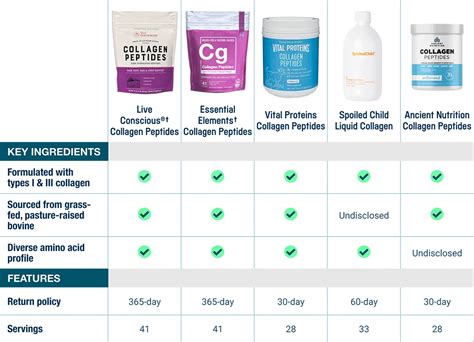
Collagen peptides reflect the type of collagen used in their production. Common sources include bovine (cow) and marine (fish) collagen. Both sources are rich in Type I collagen, while bovine collagen also provides significant amounts of Type III. Collagen is sourced from various animals, including bovine, pork, poultry, and marine life. Once extracted, collagen can be processed into direct collagen supplements, broken down into collagen peptides, or partially hydrolyzed into gelatin.
Supplements containing collagen and collagen peptides are available in powder, pill, and liquid forms. Each form contains either collagen or its fragmented components. Pills often contain the same ingredients as powders but are encapsulated. There can be differences between powders and liquids:
- Powder forms typically have a higher concentration of collagen or peptides.
- Liquid forms often claim higher bioavailability but may contain lower concentrations.
Dietary Sources of Collagen Support
While consuming whole collagen-rich foods does not directly increase collagen levels in the bodyâas it's broken down into amino acidsâmany foods provide the raw ingredients that support collagen production. These foods contain essential amino acids like proline and glycine, along with necessary vitamins and minerals such as Vitamin C, zinc, and copper.
Foods Rich in Collagen-Supporting Nutrients:
- Vitamin C: Found in oranges, strawberries, bell peppers, broccoli, Brussels sprouts, and potatoes.
- Proline: Present in mushrooms, cabbage, asparagus, peanuts, wheat, fish, egg whites, and meat.
- Glycine: Found in red meats, turkey, chicken, pork skin, peanuts, and granola.
- Copper and Zinc: Abundant in oysters, red meat, poultry, pork, beans, chickpeas, nuts, broccoli, green leafy vegetables, whole grains, and dairy products.
Incorporating these nutrient-dense foods into a well-balanced diet, such as the Mediterranean diet, can provide the body with the necessary components to synthesize collagen effectively.