Lip balm is a globally recognized personal care product, yet its fundamental purpose and mechanisms are often overlooked. Unlike the rest of your skin, the lips lack oil glands, which prevents them from naturally producing the oils necessary for hydration and protection. Factors such as wind, cold weather, sun exposure, dry indoor air, and even daily activities like talking and eating can quickly lead to chapped or uncomfortable lips.
Lip balm functions by creating a protective layer over the lips while simultaneously providing gentle moisturization. This barrier effectively slows down moisture loss and shields the delicate lip skin from environmental stressors. The skin on your lips is particularly vulnerable to sunlight because it contains no melanin, the pigment that protects most other skin areas from sun damage. Consequently, the skincare market offers lip balms fortified with sun protection ingredients like zinc oxide and titanium dioxide. The "SPF" label on these balms indicates their dual purpose: protecting the skin from moisture loss and preventing sunburn and long-term sun damage.
The concept of protecting the lips is far from new. Ancient civilizations utilized natural substances such as beeswax, plant oils, and animal fats to shield their skin from harsh environments. Historical records indicate the earliest known use of lip balm dates back to approximately 40 B.C. in Ancient Egypt. At that time, a mixture of beeswax, olive oil, and animal fats was employed to moisturize and protect the lips, a practice reportedly used by notable figures like Cleopatra.
Modern lip balm emerged in the late 19th century with the introduction of the first commercial versions. These early formulas were typically simple, often consisting of just wax and oil. Today, consumer preferences continue to evolve. Most lip balms are created through a process of gently heating and blending wax with oils or butters until a smooth liquid consistency is achieved.
Key Ingredients and Their Functions
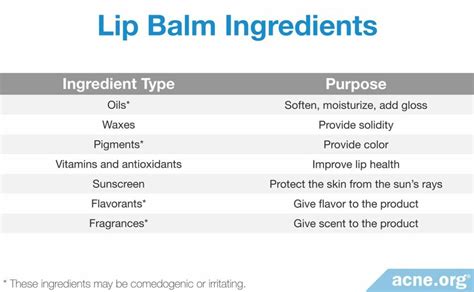
Several ingredients play crucial roles in the effectiveness of lip balms:
- Beeswax: This natural wax is essential for forming a breathable protective barrier over the lips. Unlike synthetic or petroleum-based waxes, beeswax helps to lock in moisture without completely sealing the skin, allowing it to breathe.
- Shea Butter: Renowned for its deep moisturizing properties, shea butter contributes to the softness and suppleness of the lips.
- Vitamin E Oil: This ingredient offers antioxidant protection, helping to defend the lips against environmental stressors and contributing to the preservation of the balm's oils and butters.
It is important to be aware of certain ingredients that are often found in lip balms:
- Parabens: These are synthetic preservatives used to prevent mold and bacteria growth in personal care products. However, scientific studies have raised concerns about their potential estrogen-like properties and the risk of causing long-term health problems. Many modern lip balms aim for minimalist formulations, reducing the inclusion of such additives.
- Menthol: While menthol creates a cooling sensation, it can often lead to increased lip irritation and discomfort, especially for individuals with already dry or chapped lips.
- Artificial Flavors, Synthetic Fragrances, and Dyes: These are frequently added to lip balms to enhance scent, taste, or appearance. However, they can be easily ingested or absorbed by the thin lip skin, potentially causing irritation.
A well-formulated lip balm should focus on nourishing, protecting, and actively restoring the skin barrier, rather than just coating the lips. Minimalist formulations with a few high-quality ingredients can be more beneficial by reducing unnecessary exposure to potential irritants.
The Science Behind Lip Balm Effectiveness
The unique structure of lip skin, which is significantly thinner than that of other body parts and lacks oil glands, makes it particularly susceptible to moisture loss and environmental damage. This necessitates external support for hydration and protection.
Occlusives vs. Emollients
Understanding the difference between occlusive and emollient ingredients is key to choosing an effective lip moisturizer:
- Occlusives: These ingredients form a physical barrier on the surface of the lips to prevent moisture loss. Examples include petrolatum, beeswax, and cocoa butter.
- Emollients: Emollients soften and smooth the skin by filling in cracks and rough patches. Examples include oils like coconut oil, almond oil, and avocado oil.
The most effective lip balms typically combine both occlusives and emollients to provide comprehensive care. For instance, ingredients like squalane and lanolin act as emollients, while beeswax and cocoa butter serve as occlusives. Natural fats, such as those found in shea butter and coconut oil, mimic the skin's natural lipids, reinforcing the barrier against moisture loss.
The Role of Antioxidants and Skin-Identical Ingredients
Lip balms can also benefit from the inclusion of vitamins and antioxidants. Vitamins like A, C, and E help nourish the lips and protect against oxidative stress caused by pollution and UV exposure. Antioxidants play a dual role by combating this stress and supporting the skin's natural repair functions. Vitamin E, in particular, is crucial for preserving the freshness of oils and butters in the balm, extending its shelf life.
Skin-identical ingredients are compounds that replicate the structure and function of those naturally present in the skin. By providing humectants, protective oils, and essential lipids, these ingredients work harmoniously with the skin's own processes.
Specialized Ingredients and Formulations
Advancements in skincare technology have led to the development of lip balms with specialized ingredients and benefits:
- Hyaluronic Acid: This humectant draws moisture from the environment into the lip skin, plumping them and smoothing fine lines.
- Peptides: These short chains of amino acids stimulate collagen production, enhancing the lips' natural contour and firmness, and reducing the appearance of lip lines.
- Retinol: A form of Vitamin A, retinol promotes cell turnover, helping to eliminate dry, flaky patches and address issues such as pigmentation and uneven texture.
- Mineral UV Filters: Ingredients like non-nano zinc oxide provide stable and non-irritating broad-spectrum UV protection, which is essential for lip care as it doesn't penetrate the skin.
- Botanicals: Ingredients such as chamomile, calendula, and aloe vera are beneficial for soothing and healing irritated lips, offering gentle relief for dryness and inflammation.
- AvenaPLex: This ingredient, rich in ceramides and essential fatty acids, helps to supplement skin lipids, strengthen the dermis, and create a protective barrier to prevent moisture loss. It also contains Avenanthramides, known for strengthening the skin barrier and protecting against environmental stressors.
Lip lightening balms often contain ingredients like kojic acid, licorice extract, and vitamin C to address discoloration caused by sun exposure or other factors. When used in conjunction with gentle exfoliation, these balms can help achieve brighter lips.
DRY, CHAPPED LIPS: DERMATOLOGY TIPS
Choosing and Using Lip Balm Effectively
The effectiveness of a lip balm depends on its ingredient list, formulation, and how it aligns with individual needs and environmental conditions. Understanding ingredient labels is crucial for making informed choices.
Ingredient Considerations
- Read Labels Carefully: Pay attention to the first few ingredients, as they are present in the highest amounts. Waxes at the beginning suggest a firmer balm, while oils indicate a softer, more cushiony texture.
- Avoid Irritants: Ingredients like menthol, camphor, alcohol, artificial fragrances, and strong essential oils can provide temporary relief but may lead to long-term dryness and irritation. Opt for calming, natural ingredients instead.
- Check for Allergens: For sensitive skin, hypoallergenic formulations are recommended. Be mindful of common allergens such as lanolin, certain dyes, and specific natural oils.
- Consider SPF Protection: Lip balms with SPF, using ingredients like zinc oxide or titanium dioxide, protect against harmful UV rays and prevent dryness, discoloration, and premature aging.
- Opt for Fragrance-Free or Natural Fragrances: Artificial fragrances can irritate sensitive lips. Natural fragrances from essential oils may be a safer alternative, though individual sensitivities can still occur.
Formulation Types
Lip balms come in various formulations, each with its own characteristics:
- Simple Formulas: Typically contain five to ten ingredients, focusing on essentials like butters, oils, wax, and perhaps vitamin E or a flavor. These are easy to understand and often ideal for sensitive lips.
- Complex Formulas: May include fifteen to thirty ingredients, incorporating multiple oils, butters, botanical extracts, vitamins, and specialty ingredients. These can offer added benefits but also increase the potential for irritation.
- Natural vs. Synthetic Ingredients: While natural ingredients like cocoa butter and coconut oil are effective, some synthetic ingredients can also be gentle and beneficial. The quality and performance of an ingredient are more important than its origin.
Application and Usage
The frequency of lip balm application depends on individual circumstances and environmental conditions. Apply your balm whenever your lips feel dry, tight, or uncomfortable. Carrying a dependable lip balm allows for timely reapplication without excessive use.
For makeup artists, lip balm is an essential first step to prime the lips for lipstick application, ensuring a smooth base, better color payoff, and longer wear.
DIY Lip Balm Making
Creating your own lip balm offers control over ingredients and customization. A general guideline for ratios is approximately 1 part wax, 2 parts butter, and 1 part oil. Adding vitamin E helps preserve the oils, and using food-grade flavors enhances the experience.
- Gather Ingredients: Natural beeswax, carrier oils (e.g., coconut oil, jojoba oil), butters (e.g., shea butter, cocoa butter), and optional essential oils for scent and therapeutic benefits.
- Melt the Beeswax: Use a double boiler to gently melt the beeswax.
- Add Carrier Oils and Butters: Once the beeswax is melted, slowly add the carrier oils and butters, stirring continuously to create a uniform blend.
- Include Essential Oils: Remove from heat and allow to cool slightly before adding a few drops of essential oil, stirring to distribute.
- Pour Into Containers: Carefully pour the warm mixture into clean lip balm tubes, tins, or jars.
- Let It Set: Allow the balm to cool and solidify in a cool, undisturbed area.

Understanding the benefits and ingredients of lip balm empowers you to make informed choices for maintaining healthy, comfortable, and well-protected lips.