Cystic acne, a severe form of acne characterized by painful, deep-seated bumps, can be a challenging condition to manage. Unlike surface-level pimples, these lesions form deep within the skin, making them difficult to treat with traditional methods. While severe acne like cystic or nodulocystic acne might seem unpoppable, it is not a lost cause. Understanding the causes, treatment options, and the role of specialized products like cystic acne patches can significantly improve outcomes.
Understanding Cystic Acne
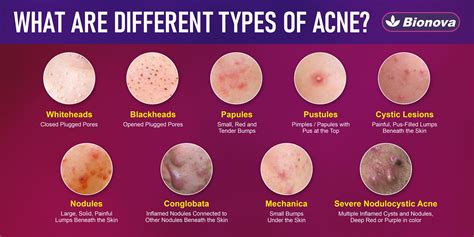
Breakouts generally begin when oil (sebum), dead skin cells, and P. acnes bacteria become trapped in hair follicles, leading to comedonal acne such as whiteheads or blackheads. Cystic acne, however, is a more severe form. "Cystic acne is a severe type of acne in which bacteria, oil, dirt and skin cells block the pores, leading to a localized collection of inflammation and infection, deep in the skin,” explains Dr. Vindhya Veerula, a board-certified dermatologist.
Causes and Triggers of Cystic Acne
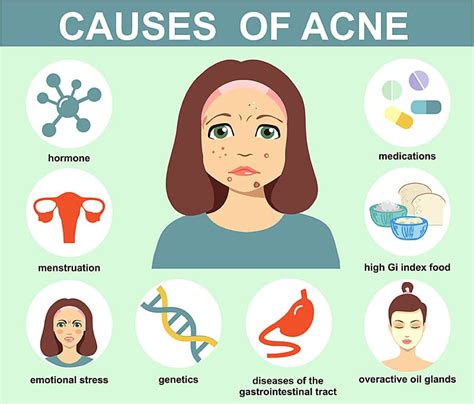
The exact cause of cystic acne can be multifactorial. It is often a combination of genetic predisposition and environmental factors, frequently triggered by hormonal fluctuations. “Cystic acne is partly hereditary and partly environmental - and can be triggered by hormone fluctuations,” states Dr. Zenovia, a board-certified dermatologist and hormonal skincare expert. High levels of androgens like testosterone, or low estrogen, can lead to increased oil production, creating an environment conducive to bacterial growth and inflammation. Other contributing factors include humidity, genetics, pore-clogging ingredients in cosmetics and skincare, imbalanced pH levels, and stress. The hormonal link may explain why cystic acne is more common during puberty and why women often experience breakouts during their menstrual cycle or other hormonal changes like pregnancy.
Diet can also play a role, with dairy, particularly cow's milk, being linked to an increase in cystic breakouts. For this reason, many dermatologists suggest keeping a food journal to identify potential dietary triggers.
Traditional Treatments vs. Specialized Solutions
The typical acne care routine may not be sufficient for treating cystic acne. Traditional spot treatments often fail to penetrate the deeper layers of the skin, leading to dryness and flakiness without addressing the underlying issue.
The Dangers of Popping Cystic Pimples
A crucial piece of advice for anyone dealing with acne is to avoid popping pimples. "Do not pick at your acne cysts or try to open the deep pimple - this leads to scarring,” warns Dr. Zenovia. Attempting to extract cystic pimples, which are located deep beneath the skin, can cause significant damage to skin tissue, ultimately slowing down the healing process and increasing the risk of scarring and infection.
Lifestyle and Dietary Adjustments
Beyond topical treatments, lifestyle changes can also contribute to managing cystic acne. Reducing spikes in blood sugar by adopting a low-glycemic diet rich in vegetables, fruits, lean meats, nuts, and seeds, while avoiding dairy, can help. Managing stress through adequate sleep, mindfulness, and exercise is also vital, as stress can exacerbate hormonal flares.
Basic skincare hygiene remains fundamental. "Making sure to wash your face, especially after sweating, and avoiding comedogenic products are key," advises Dr. Veerula. Cleansing wipes can be a convenient alternative after exercise if immediate washing isn't possible.
The Rise of Cystic Acne Patches
In recent years, acne patches have gained significant popularity as a targeted treatment for blemishes. These small, often hydrocolloid-based dressings are designed to adhere to pimples, offering various benefits depending on their type and formulation.
Types of Acne Patches
Acne patches can be broadly categorized into several types, each with distinct mechanisms and target applications:
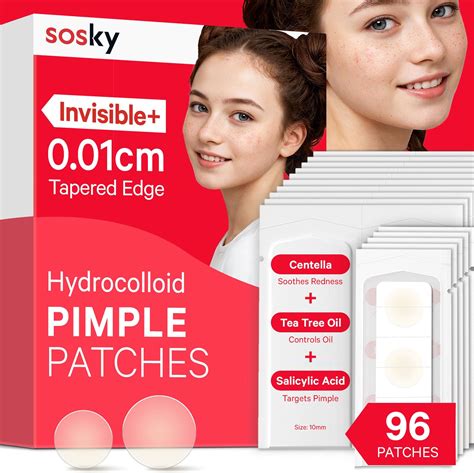
- Non-medicated Hydrocolloid Patches: These patches are made from hydrocolloid film, which forms a gel when it comes into contact with moisture. They work by absorbing fluid and impurities from the pimple, creating a moist environment that aids in healing and protects the blemish from external contaminants and bacteria. They are particularly effective for surface-level pimples with a visible head.
- Medicated Patches: These patches are formulated with active acne-fighting ingredients. Common ingredients include salicylic acid, benzoyl peroxide, niacinamide, ceramides, peptides, retinol, bakuchiol, or tea tree oil. Medicated patches aim to treat the pimple directly by reducing bacteria, inflammation, or unclogging pores.
- Microneedle Patches: These innovative patches feature tiny, dissolving microneedles on one side. These needles are designed to penetrate the top layer of the skin, delivering active ingredients like salicylic acid or hyaluronic acid directly to the source of deeper, more stubborn breakouts, including cystic acne. The needles are designed to be pain-free and dissolve after application.
How Acne Patches Work
Hydrocolloid patches function by creating a protective barrier over the pimple. When applied to a clean, dry area, the hydrocolloid material absorbs moisture and exudate from the lesion. This process not only helps to flatten the pimple and reduce swelling but also prevents the user from picking at it, which is a common cause of infection and scarring. The patch turns white and may expand as it absorbs fluid and impurities.
Medicated patches deliver their active ingredients directly to the affected area, potentially enhancing their efficacy. Microneedle patches aim to bypass the surface barrier, delivering potent ingredients deeper into the skin for more stubborn cystic lesions.
Benefits of Using Acne Patches
Acne patches offer several advantages:
- Targeted Treatment: They focus treatment directly on the blemish.
- Prevention of Picking: They act as a physical barrier, discouraging the urge to pick or pop.
- Protection: They shield the pimple from dirt, bacteria, and UV radiation.
- Moist Healing Environment: Hydrocolloid patches create an optimal environment for healing.
- Discreetness: Many patches are clear or flesh-toned, making them less noticeable. Decorative patches are also available for a more expressive approach.
- Convenience: They are easy to apply and can be worn day or night.
Effectiveness and Limitations
While acne patches can be beneficial, it's important to understand their limitations. They are most effective on surface-level pimples, such as whiteheads and blackheads, especially those with a visible head that can be drained. "A pimple patch won’t treat the underlying causes of acne, like clogged pores or hormonal changes, or prevent future breakouts," notes Dr. Honda. For cystic acne, which involves inflammation deep within the skin, patches may need to be medicated or utilize microneedle technology to be effective.
Research comparing hydrocolloid pimple patches to surgical tape has shown that patches can be better at reducing acne severity, filtering UV radiation, and controlling redness, oiliness, and sebum. However, the long-term effectiveness and comparison to traditional spot treatments are still areas requiring more research.
When to Use Different Types of Patches
- Active Acne (Papules): Medicated patches with ingredients like salicylic acid or tea tree oil are suitable for inflamed, active breakouts.
- Healing Acne (Whiteheads/Yellowheads): Non-medicated hydrocolloid patches are ideal for pimples with a visible head, as they absorb exudate and promote healing.
- Cystic Acne: Microneedle patches or medicated patches with ingredients designed for deeper penetration are recommended for deep, painful cystic lesions.
Potential Downsides and Precautions
Despite their benefits, acne patches are not without potential risks. The adhesive used in patches can cause skin irritation or allergic reactions, particularly for individuals with sensitive skin. "The main irritant is likely to be the adhesive," says Dr. Honda. It is crucial to stop using patches immediately if any adverse reactions occur. The efficacy of most patches plateaus around eight hours, necessitating timely replacement.
It is also important to note that acne patches are not a cure-all. For moderate to severe acne, or if breakouts persist despite using patches, consulting a dermatologist is recommended. They can help identify underlying causes and recommend more comprehensive treatment plans, which may include prescription topical or oral medications, or in-office procedures like cortisone injections for severe cystic lesions.
How To Use COSRX Acne Pimple Master Patch
Choosing the Right Acne Patch
When selecting an acne patch, consider the type of acne you are treating and the ingredients. For general blemish care, hydrocolloid patches are a good starting point. For active inflammation, look for patches containing salicylic acid or benzoyl peroxide. For deep cystic acne, microneedle patches offer a more targeted approach.
Key Ingredients to Look For
- Hydrocolloid: For absorption and wound healing.
- Salicylic Acid: For exfoliation and unclogging pores.
- Tea Tree Oil: For its antibacterial and anti-inflammatory properties.
- Benzoyl Peroxide: For killing acne-causing bacteria.
- Hyaluronic Acid: For hydration, often included in microneedle patches.
- Niacinamide: For soothing and reducing inflammation.
- Retinol: For cell turnover and anti-aging benefits.
Application Tips
- Cleanse and Dry: Ensure the skin is clean and completely dry before application.
- Apply Carefully: Gently press the patch onto the affected area, ensuring good adhesion. Avoid touching the microneedle side of microneedle patches.
- Wear Time: Follow the product's recommended wear time, typically 6-8 hours or overnight.
- Replace as Needed: Replace the patch daily or when it turns opaque, indicating it has absorbed impurities.
Expert Recommendations and When to See a Doctor
Dermatologists generally agree that while pimple patches can be a helpful tool, they are not a substitute for professional medical advice or treatment for moderate to severe acne. If you experience persistent, painful, or deep cystic breakouts, or if over-the-counter treatments are ineffective, it is essential to consult a board-certified dermatologist. They can diagnose the specific type of acne and create a personalized treatment plan that may include prescription medications, hormonal therapies, or in-office procedures.