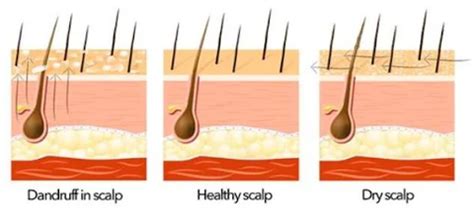
Your scalp accumulates product buildup, oils, dead skin cells, and environmental pollutants that can clog follicles and inhibit healthy hair growth. A proper scalp detox removes these barriers, restores balance, and creates optimal conditions for stronger, healthier hair-making it an essential practice for anyone serious about hair wellness.
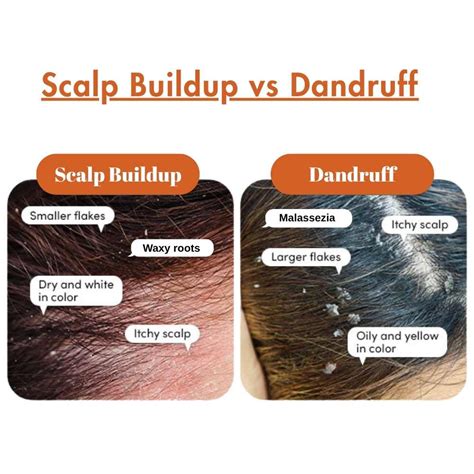
Signs You Need a Scalp Detox
Your scalp sends clear signals when it's overdue for a deep cleanse. Recognizing these signs early allows you to address issues before they escalate into more significant problems. Here are the telltale indicators that your scalp needs detoxification:
Persistent Itching and Discomfort
Scalp itchiness is often the first sign of buildup trouble. When shampoo residue, styling products, or natural oils accumulate at the roots, they create an environment ripe for irritation. This itching can range from mild annoyance to intense discomfort that disrupts your daily life. If you find yourself constantly scratching your head or experiencing a tight, uncomfortable sensation, your scalp is crying out for a detox.
Excessive Oiliness
An oily scalp signals an imbalance in your scalp's microbiome and sebum production. When overreactive sebaceous glands produce too much oil, it causes buildup at the roots that attracts dirt and clogs pores. Hair may appear greasy within hours of washing, and your roots feel slick to the touch.
Visible Flaking and Dandruff
When you notice white or yellowish flakes falling onto your shoulders or visible residue on your scalp, it's a clear indication that dead skin cells, product buildup, or both have accumulated. Not all flaking is dandruff-sometimes it's simply product residue coating the follicle.
Increased Hair Shedding
Excessive hair loss can signal that your scalp environment isn't supporting healthy follicle function. When dead skin cells, styling products, and sebum create a barrier on your scalp, they can decrease blood circulation to hair follicles, causing increased shedding and thinning.
Dull, Lifeless Hair
Hair lacking shine or bounce often indicates strands weighed down by residue and contaminants. When product buildup coats your hair shaft, it creates a barrier that prevents moisture penetration and light reflection. Your hair may feel heavy, look flat, and resist styling.
Unpleasant Scalp Odor
A healthy scalp should smell neutral. If you notice an unsightly odor emanating from your scalp, it's typically a sign of oil buildup, bacterial growth, or scalp inflammation.
Slow Hair Growth
When your hair seems stuck at the same length despite months of patience, the culprit may be scalp congestion. Clogged follicles and poor circulation create an environment where hair can't grow at its optimal rate.
The Science Behind Scalp Health & Hair Growth
Understanding the biological connection between scalp condition and hair vitality reveals why scalp detoxification isn't just cosmetic-it's fundamental to hair health.
The Scalp-Hair Growth Connection
Your scalp has the highest blood circulation density in your entire body-approximately ten times more than other anatomical regions. This robust blood supply serves a critical purpose: delivering oxygen, nutrients, vitamins, minerals, and growth factors directly to hair follicles embedded in the skin's surface.
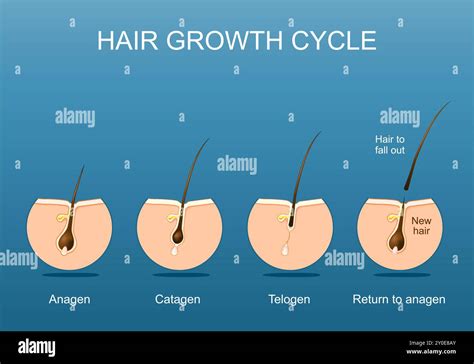
Research demonstrates that blood vessels feed these follicles, helping them progress through the growth cycle. Studies show that balding scalps have 2.6 times less blood flow and 40% less oxygen than healthy scalps, highlighting circulation's crucial role in maintaining hair growth.
How Buildup Sabotages Growth
When product residue, excess sebum, dead skin cells, mineral deposits from hard water, and environmental pollutants accumulate on the scalp, they create a suffocating layer that impacts hair health in multiple ways:
- Follicle blockage: Scalp pores housing hair follicles can become congested, just like pores on your face. This physical barrier prevents follicles from functioning optimally and can trap bacteria, leading to inflammation.
- Reduced circulation: Buildup and inflammation can compress blood vessels in the scalp, reducing nutrient and oxygen delivery to follicles. This decreased circulation forces follicles into resting phases and can trigger premature hair loss.
- pH imbalance: Your scalp maintains a slightly acidic pH (around 4.5-5.5) that supports a healthy microbiome and sebum production. Product buildup can disrupt this balance, creating conditions for irritation, excessive dryness, or overactive oil production.
- Weakened follicles: When follicles don't receive adequate nutrition due to poor circulation and buildup, they produce weaker, thinner hair strands more prone to breakage.
Scientific Evidence: A landmark study on scalp massage and hair growth found that standardized scalp treatments resulted in increased hair thickness after 24 weeks. The research demonstrated that mechanical forces applied to the scalp trigger beneficial gene expression changes in dermal papilla cells-the powerhouse components responsible for hair growth.
Professional vs. At-Home Scalp Treatments
Both professional and DIY scalp detox methods offer distinct advantages. Understanding the differences helps you determine which approach-or combination-best suits your needs.
Professional Scalp Detox Treatments
What they offer: Professional treatments at specialized facilities provide intensive, comprehensive scalp care using specialized techniques, professional-grade products, and expert knowledge unavailable for home use.
Key advantages:
- Accurate diagnosis: Trained therapists can identify specific scalp conditions through detailed consultation and analysis, examining your scalp to detect issues invisible to the naked eye. They can distinguish between dandruff, seborrheic dermatitis, product buildup, and other scalp concerns.
- Advanced techniques: Treatments often include warm oil massage, deep scalp exfoliation, specialized cleansing methods, and targeted therapeutic applications.
- Customized formulations: Professional treatments use products specifically formulated for scalp detoxification. Therapists select treatments based on your specific scalp analysis-whether you need deep hydration, oil balancing, or growth stimulation.
- Expert technique: Professional massage techniques target specific pressure points and use methods proven to enhance blood circulation, lymphatic drainage, and product absorption.
- Comprehensive approach: Professional treatments combine multiple modalities-exfoliation, cleansing, massage, specialized treatments, and serums-in one session for maximum impact.
Typical frequency: Monthly professional treatments are recommended for maintaining optimal scalp health.
At-Home Scalp Detox Methods
What they offer: DIY scalp treatments provide accessible, cost-effective maintenance between professional sessions and work well for mild buildup or general scalp health.
Key advantages:
- Convenience and cost: Home treatments fit easily into your existing routine without scheduling appointments or traveling.
- Regular maintenance: You can perform gentle detox treatments weekly to prevent buildup accumulation between professional sessions.
Common at-home methods:
- Gentle scalp massage daily (3-5 minutes)
- Using clarifying shampoos weekly (but not more, to avoid stripping natural oils)
- Apple cider vinegar rinses to balance pH
- Essential oil treatments with tea tree, peppermint, or rosemary
Limitations: Home methods can't match the intensity of professional treatments and may not effectively address chronic or severe scalp conditions. Without proper diagnosis, you might treat symptoms without addressing root causes.
The Ideal Approach: For optimal results, combine both methods: regular professional treatments for deep cleansing and expert care, supplemented by weekly at-home maintenance to extend benefits and prevent buildup accumulation.
The Scalp Treatment Process: A Step-by-Step Guide
The scalp treatment process can vary based on whether it's performed at home or in a salon. Typically, it involves several key steps designed to cleanse, nourish, and stimulate the scalp.
Step 1: Scalp Analysis
A specialist examines your scalp to identify issues such as dryness, buildup, sensitivity, or specific conditions like dandruff. This initial assessment is crucial for tailoring the treatment to your unique needs.
Step 2: Cleansing and Exfoliation
Gentle exfoliation removes dead skin cells, product residue, and excess oil that accumulate on the scalp. This process helps to unclog hair follicles and create a clean canvas for subsequent treatments. Specialized shampoos with ingredients like charcoal or tea tree oil may be used for deep detoxification.
Step 3: Massage and Stimulation
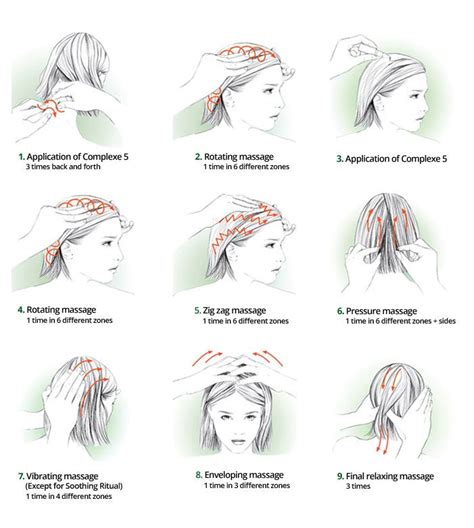
A thorough scalp massage is integral to the treatment. It improves blood flow, delivering essential oxygen and nutrients to the hair follicles. This stimulation not only promotes healthier hair growth but also helps to relax scalp muscles and relieve tension.
Step 4: Nourishing Mask or Serum Application
Following cleansing and massage, a nourishing mask or serum is applied. These treatments are rich in ingredients designed to hydrate, strengthen, and balance the scalp. Depending on your needs, this could include moisturizing agents, anti-inflammatory compounds, or growth-stimulating nutrients.
Step 5: Rinse and Post-Care
The scalp is thoroughly rinsed to remove all treatment products. Professionals may then suggest specific aftercare products or routines to maintain the benefits of the treatment at home.
Key Benefits of Scalp Treatments
Regular scalp care offers a multitude of advantages that contribute significantly to overall hair health and well-being.
- Promotes Hair Growth: By unclogging follicles and improving nutrient absorption, scalp treatments create an optimal environment for new hair to emerge.
- Reduces Hair Fall: Strengthening hair roots and increasing circulation helps to minimize shedding and hair loss.
- Improves Hair Texture: A healthy scalp leads to hair that is shinier, softer, and has more body and manageability.
- Balances Oil Production: Treatments help regulate sebum, preventing the scalp from being excessively dry or oily.
- Prevents Scalp Issues: Regular care reduces common problems like dandruff, irritation, and inflammation.
- Enhances Product Absorption: A clean and stimulated scalp is more receptive to the benefits of hair care products.
- Relieves Stress and Tension: The massage aspect of scalp treatments is highly effective at reducing stress and alleviating headaches.
- Customized Care: Treatments can be tailored to address specific concerns such as dryness, dandruff, thinning hair, or itchiness.
Scalp Massage for FAST Hair Growth!
When to Seek Professional Care
While at-home treatments are beneficial for maintenance, certain scalp conditions warrant professional attention. Visit a specialized salon or clinic if you experience:
- Persistent inflammation or redness
- Sudden, excessive hair loss
- Symptoms that worsen despite consistent home care
- Any ongoing concerns about your scalp health