Dermaplaning is a straightforward exfoliation method that’s been getting more attention lately. It’s different from other exfoliation techniques because it uses a specific blade to gently remove dead skin and peach fuzz from your face. It’s simpler than it sounds - no harsh scrubs or chemicals. This method is becoming popular because it smooths and brightens the skin gently.
What is Dermaplaning?
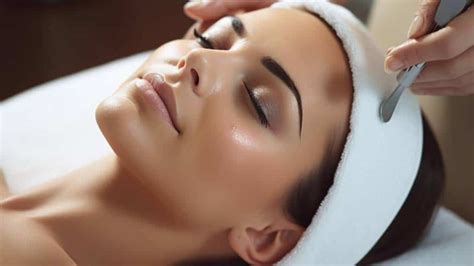
Dermaplaning is a professional skincare treatment that focuses on exfoliating the face. It’s performed by a skilled aesthetician who uses a specialized, sterile surgical scalpel. The process involves the expert gently scraping the surface of the skin. This removes the outermost layer of dead skin cells and removes the fine vellus hair - the soft, translucent facial hair often referred to as peach fuzz.
What sets dermaplaning apart from other exfoliating treatments is its precision and gentleness. Unlike abrasive scrubs or chemical peels, it doesn’t irritate the skin. This makes it a great option for people with sensitive skin or those seeking a less aggressive rejuvenation method. Plus, it’s known for delivering immediate results - smoother, brighter skin that feels softer and provides a better base for makeup application. As a professional treatment, dermaplaning is tailored to the individual’s skin type and concerns, ensuring a personalized approach to skincare.
Comparison with Other Exfoliation Methods
Dermaplaning is a gentler, non-chemical exfoliation method that provides immediate results. It’s especially suited for those with sensitive skin or who prefer a physical exfoliation method that removes fine facial hair.
Dermaplaning vs. Mechanical Exfoliation
Mechanical exfoliation methods, like scrubs, use small granules or brushes to physically remove dead skin cells. Dermaplaning, on the other hand, uses a blade for a more precise and even exfoliation. It’s gentler than most mechanical methods, which can sometimes be too abrasive, especially for sensitive skin.
Dermaplaning vs. Chemical Exfoliation
Chemical exfoliants, such as alpha and beta hydroxy acids, dissolve dead skin cells. Dermaplaning provides a more immediate physical removal of dead skin cells without waiting for the chemicals to take effect. This can be preferable for those who are sensitive to acids or prefer a non-chemical approach.
Dermaplaning vs. Enzymatic Exfoliation
Enzymatic exfoliation uses enzymes, usually from fruits, to gently break down dead skin cells. While enzymatic exfoliation is also gentle, dermaplaning offers the added benefit of removing peach fuzz along with dead skin cells, something that enzymatic methods do not address.
Dermaplaning is also contrasted with at-home scrubs. At-home scrubs are a popular DIY exfoliation method that uses small exfoliating particles to remove dead skin cells manually. However, many scrubs can be too harsh, leading to micro-tears in the skin and causing irritation. Unlike dermaplaning, which professionals perform to ensure safety and precision, at-home scrubs can sometimes lead to over-exfoliation, resulting in redness and sensitivity. Additionally, scrubs do not remove peach fuzz and may not offer long-term skin benefits.
Unique Benefits of Dermaplaning
Dermaplaning brings unique benefits that set it apart from other skincare methods. These advantages cater to various skin care needs and preferences, offering more than just removing dead skin cells and peach fuzz.
- Enhanced Product Absorption: Post-dermaplaning, your skin can absorb skincare products more effectively, maximizing the benefits of your skincare routine.
- Reduction in the Appearance of Fine Lines: Regular dermaplaning can help reduce the appearance of fine lines, contributing to a more youthful look.
- Improves Skin Texture: Dermaplaning smooths the skin’s texture, making it feel softer and more even.
- Brightens Complexion: This method can brighten a dull complexion, giving the skin a more radiant appearance.
- No Downtime: Unlike some other facial treatments, dermaplaning doesn’t require downtime, so that you can resume your daily activities immediately.
- Suitable for Almost All Skin Types: It’s a versatile treatment that’s suitable for many, including those with sensitive skin.
- Makeup Application is Smoother: After dermaplaning, makeup glides on seamlessly, creating a flawless finish.
- Non-Invasive and Quick: The procedure is relatively quick and non-invasive, making it a convenient option for busy individuals.
Dermaplaning removes dead skin cells and vellus hair (peach fuzz) from the epidermis, leaving skin feeling incredibly smooth and renewed. It enhances product absorption, removes peach fuzz for flawless makeup application, and requires no downtime. It is also safe for most skin types and helps minimize the appearance of fine lines and wrinkles.
Dermaplaning Procedure
When you go in for a dermaplaning session, you’ll first notice its simplicity and efficiency. Typically, the procedure begins with your skin being cleaned and prepped. This will be necessary to free your face of any dirt or oil that could interfere with the treatment. Once your skin is ready, the aesthetician will use a sterile, surgical-grade scalpel. With skill and precision, they gently glide this tool across your skin at an angle. This action exfoliates the skin and removes fine hair. The process is surprisingly gentle and painless. Most clients describe it as a light scraping sensation that’s quite tolerable, even relaxing for some.
Throughout the procedure, the professional will pay close attention to your skin’s response, ensuring the process is as comfortable and practical as possible. The entire session usually takes around 30 minutes, making it a quick treatment option compared to other skincare procedures. After the treatment, you can expect to see immediate results. Your skin will appear brighter and feel smoother. Unlike some other facial treatments, there’s no downtime with dermaplaning. You can return to your normal activities right away, albeit with a fresh, glowing complexion. The aesthetician might recommend a specific post-treatment skincare routine to maximize and maintain the results of the dermaplaning.
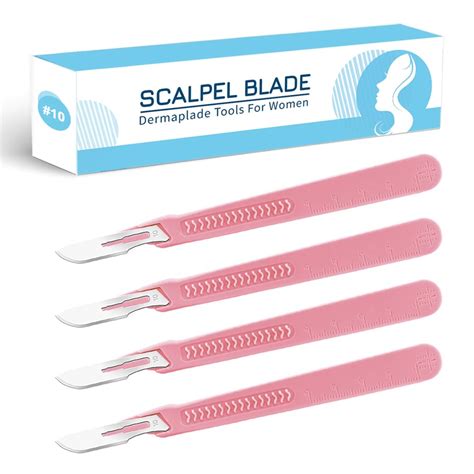
Before the procedure, your healthcare provider will discuss your goals, examine your skin, explain what to expect, and review your health history. It’s best to avoid exfoliating your skin 3 days prior and to avoid direct sunlight or tanning. Before beginning, your provider may cleanse your skin with an alpha- or beta-hydroxy acid to loosen skin cells. While dermaplaning doesn’t hurt when done correctly, you may receive a numbing cream as a precaution. During the session, a scalpel gently glides along your skin at a 45-degree angle. The length of the session depends upon how much area is covered, typically 30 minutes but can last up to an hour and a half.
Dermaplaning Aftercare
After a dermaplaning treatment, follow a simple yet effective aftercare routine to maximize the treatment results. Your skin will be more sensitive to the sun, so applying a broad-spectrum sunscreen is crucial to protect it from UV damage. Avoiding direct sun exposure as much as possible for a few days is also recommended.
Keep your skincare routine gentle and hydrating; avoid using harsh products or exfoliants immediately after the procedure. Hydrating serums and creams can help soothe and nourish your freshly exfoliated skin. Lastly, give your skin time to settle before applying makeup, ideally waiting at least a day to allow your skin to reap the full benefits of the treatment.
Taking care of your skin is essential after dermaplaning. Be gentle with your skin for the next few days. Practitioners will likely advise avoiding harsh cleansers, toners, or exfoliants. Apply soothing moisturizer and sunscreen daily, and avoid direct sunlight and heavy makeup. There’s no downtime needed to let your skin heal. Experts recommend using a broad-spectrum sunscreen of at least SPF 30 and a moisturizer afterward, as your skin may be more sensitive.
How Often Should You Try Dermaplaning?
For optimal results, it’s generally recommended to undergo dermaplaning treatments monthly. This frequency aligns well with the skin’s natural regeneration cycle, about every 30 days. Regular monthly sessions help maintain the smooth texture and radiant appearance achieved through dermaplaning. They also ensure consistent removal of dead skin cells and fine facial hair. By sticking to this schedule, you can keep your skin healthy and rejuvenated, maximizing the benefits of dermaplaning while allowing your skin ample time to recover between sessions.
You can do dermaplaning every 3 to 4 weeks. However, it’s important to remember it won’t get rid of all acne scars or stop aging. Schedule an appointment with a dermatologist if you’re concerned about your skin. Dermaplaning should only be performed by a trained and licensed professional. Plastic surgeons, dermatologists, and cosmetologists who are experienced and licensed are your best choices.
Who Should Consider Dermaplaning?
Dermaplaning is suitable for a wide range of skin types and concerns. This treatment may be perfect if you’re looking for peach fuzz removal or a gentle way to improve skin texture. It is ideal for those seeking instant skin rejuvenation, individuals with dry or rough skin, anyone wanting a non-invasive skincare solution, those who struggle with dullness and uneven skin texture, and people who wear makeup regularly and desire a smoother base.
Who Should Avoid It?
Dermaplaning is not recommended for those with active acne or severe breakouts, individuals with open wounds or skin infections, people with extremely sensitive skin prone to irritation, or those with a history of keloid scarring. If you have inflammatory skin conditions such as acne, rosacea, psoriasis, or eczema, or if you have a sunburn, dermaplaning is not advised. If you’re taking isotretinoin, you should wait 6 months after stopping the medication to try dermaplaning.
Is Dermaplaning Safe for All Skin Types?
Standard, dry, combination, and sensitive skin types can all safely undergo dermaplaning; however, those with severe rosacea or active acne may need to consult a skincare specialist before beginning therapy. If your skin is prone to breakouts, other exfoliation methods like enzyme treatments or mild chemical peels may better suit your needs. Dermaplaning should not cause acne; in fact, for many people, removing built-up dead skin and peach fuzz helps keep pores clearer.
Can Dermaplaning Be Combined with Other Treatments?
Yes, dermaplaning pairs well with many other skin treatments to enhance overall results. It is often performed before hydrating facials to allow serums to penetrate more deeply, before chemical peels for more effective exfoliation, before LED light therapy to improve skin healing and glow, and before microneedling to enhance collagen stimulation.
MICRONEEDLING FACIAL WITH DERMAPLANE | MY FIRST MICRONEEDLING TREATMENT | PREPARATION AND AFTERCARE
Dermaplaning vs. Shaving
Dermaplaning and shaving can both be used to remove unwanted hair growth. If removing hair is your singular concern, shaving is an option. But shaving only cuts hair at the skin level and should not remove any layers of skin. Dermaplaning, on the other hand, removes dead skin cells along with the hair. It is a myth that hair will grow back thicker or darker after dermaplaning. While hair that grows back may feel coarser at first, it will get softer over time. Vellus hair that is removed grows back at the same rate, texture, and color as before.
Dermaplaning vs. Dermabrasion
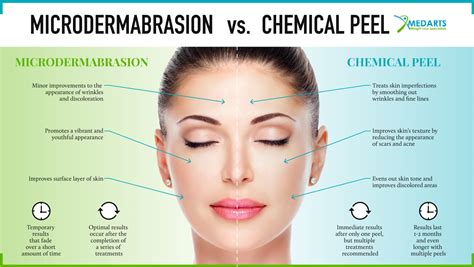
Both dermaplaning and dermabrasion are skin procedures done to improve the overall appearance of your skin. In dermabrasion, your skin goes through an abrasion or sanding of skin, as its name implies. It’s often used for more prominent skin concerns such as acne and pox scars, skin growths, or stretch marks. Dermaplaning is less invasive and often used to remove fine facial hairs. If you have delicate skin or a darker skin tone, you may be at a higher risk of scarring from dermabrasion or pigmentary changes, and dermaplaning may be a better option.
Dermabrasion, also known as skin planing, is an aggressive surgical procedure performed by a plastic surgeon or dermatologist that uses a specialized surgical instrument to sand the skin. It requires a couple of weeks of downtime and is more for those looking to treat deep acne scars, wrinkles, or precancerous growths. Microdermabrasion is non-invasive and gently exfoliates, making it a closer match to dermaplaning, but it also has distinct differences. Dermaplaning is suitable for a wide range of skin types and concerns.
Dermaplaning is not face shaving. If you want an instant glow, makeup that goes on clean and even, and skin that feels completely smooth and renewed, a dermaplane facial is for you. Dermaplaning gives you freshly exfoliated, peach-fuzz-free skin in one quick appointment. Professional dermaplaning delivers a smooth, glowing, glass-skin finish.
When done correctly, dermaplaning may help reduce future breakouts by removing the buildup of dead skin cells. It’s best to go to a licensed aesthetician or doctor if you’re thinking about trying dermaplaning. At-home kits and tools are available, but using them without proper training can increase your risks of side effects, including scarring.
tags: #dermaplaning #facial #exfoliation