Winter can be a challenging season for the skin, particularly for individuals prone to dermatitis. The combination of cold, dry outdoor air and indoor heating significantly depletes the skin's natural moisture, leading to various skin issues. While red, crusty, and dry patches can appear on anyone's skin, they are especially common and concerning in infants during winter. Broadly speaking, dermatitis describes dry, rashy, and itchy skin. In the context of winter, this often manifests as winter hand dermatitis, a common concern characterized by redness, itching, flaking, and sometimes painful fissures on the fingers and palms.
Understanding Winter Dermatitis
Eczema, a hereditary and chronic skin disorder, is often exacerbated during the winter months. It typically begins in infancy or early childhood and can persist into adulthood for some. The condition arises from a complex interplay of genetic predisposition and environmental factors. While many children outgrow eczema, its severity can be influenced by climate and potential allergens. Individuals with eczema may have a genetic predisposition to other atopic diseases like food allergies, asthma, and hay fever, and might lack certain proteins in their skin, leading to increased sensitivity.
The signs of eczema in infants include itchy, dry, and scaly skin, redness, swelling, and small bumps that can weep when scratched. In older children and adults, eczema commonly affects the hands, feet, arms, and the backs of the knees. It is crucial to remember that not all dry skin patches are eczema. The cold, dry outdoor air and indoor heating can dry out the skin of all babies, causing dry patches. A key diagnostic feature of eczema is itchiness; dermatologists often state, "if it's not itchy, it's not eczema." Conditions like cradle cap (seborrheic dermatitis) can present with a widespread rash that is not eczema.
Symptoms of eczema can mimic other skin conditions, so consulting a pediatrician is always recommended. While a cure for eczema has not yet been found, treatment goals focus on reducing itching, skin inflammation, and preventing infection.
Winter Eczema Triggers
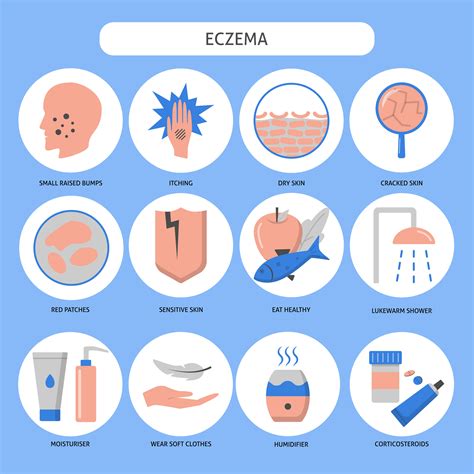
Many people experience worsening eczema symptoms in winter due to a combination of environmental factors. Cold air outside has very low humidity, which naturally dries out the skin. Simultaneously, indoor heating systems further reduce indoor humidity, exacerbating dryness. This constant shift between cold, dry outdoor air and heated indoor environments stresses the skin barrier, leading to increased sensitivity, redness, itching, and cracking.
Key Winter Triggers Include:
- Cold, Dry Outdoor Air: Low humidity in winter air pulls moisture from the skin, weakening the protective barrier.
- Indoor Heating Systems: Forced air heating, radiators, and space heaters drastically reduce indoor humidity, drying out skin.
- Long, Hot Showers and Baths: Hot water strips the skin of its natural oils, impairing its ability to retain moisture.
- Harsh Fabrics and Layering: Wool sweaters, scarves, and thick layers can cause friction and irritation. Synthetic fabrics can trap heat and sweat, worsening itching.
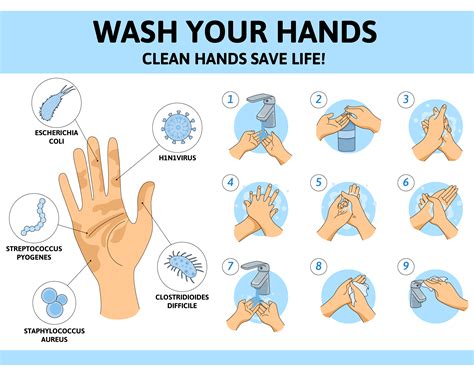
- Frequent Handwashing and Sanitizers: The increased need for hand hygiene during cold and flu season removes natural oils and dries out the skin.
- Seasonal Stress: The holiday season, busy schedules, and disrupted sleep patterns can increase stress, a known trigger for eczema flare-ups.
- Reduced Sunlight Exposure: Lower vitamin D levels in winter have been linked to skin barrier dysfunction.
- Overuse of Harsh Skincare Products: Fragranced lotions, alcohol-based toners, and aggressive scrubs can strip and irritate sensitive skin.
Atopic dermatitis (eczema) - causes, symptoms, diagnosis, treatment, pathology
Dermatitis on Hands in Winter: A Specific Concern
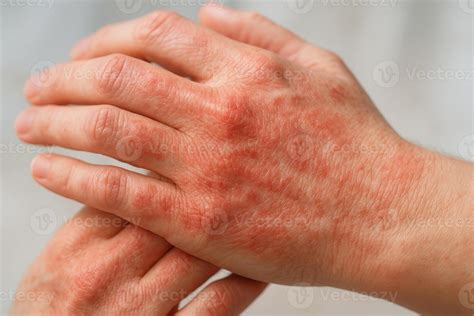
One of the most frequent complaints during winter is dermatitis on the hands. This can be a form of eczema that flares up when the skin loses excessive moisture. The hands are particularly vulnerable due to constant washing, exposure to cold air, and contact with rough fabrics or cleaning products. This results in cracked, itchy, and sometimes painful patches on the hands and knuckles.
Types of Hand Dermatitis
Irritant Contact Dermatitis:
This occurs when the skin is repeatedly exposed to irritants such as detergents, cleaning agents, solvents, frequent hand washing, or wet wipe use. While the skin on the palms is thick, regular immersion in irritants can break down its protective barrier, leading to eczema. Individuals with a history of childhood eczema are often more susceptible.
Allergic Hand Dermatitis:
This type arises from an allergic reaction to specific substances. Common allergens include nickel, fragrance ingredients, preservatives, rubber, and certain plants. Once the immune system identifies a substance as harmful, subsequent exposures trigger an allergic reaction.
Pompholyx Eczema (Dyshidrotic Eczema):
This type affects the hands and feet, characterized by intensely itchy, watery blisters, primarily on the sides of the fingers, palms, and soles. Stress, sensitivity to metal compounds, heat, and sweating can aggravate this condition. Blisters can burst if scratched, leading to soreness, weeping, and peeling.
Treatments and Prevention Strategies
The primary goals of treating winter dermatitis and eczema are to reduce itching, skin inflammation, and prevent infection. Keeping the skin well-moisturized is paramount.
Moisturizing and Cleansing:
- Moisturize Frequently: Use thick, fragrance-free creams or ointments (with petrolatum as a key ingredient) instead of lotions. Apply liberally after bathing and throughout the day. For very dry skin, ointment-based emollients are most effective, especially when applied overnight with 100% cotton gloves.
- Gentle Cleansers: Wash with fragrance-free, non-soap cleansers or emollient soap substitutes. Avoid plain soap, which can strip natural oils and act as an irritant.
- Timing is Key: Apply moisturizers immediately after bathing while the skin is still slightly damp to lock in moisture.
Bathing and Showering Practices:
- Lukewarm Water: Opt for brief (less than 15 minutes) lukewarm baths or showers instead of hot ones to minimize oil stripping.
- Additives: Consider adding colloidal oatmeal to bathwater for its soothing and anti-itch properties.
Protecting the Skin:
- Protective Clothing: Wear soft, breathable fabrics like cotton or silk next to the skin. Avoid wool and rough synthetic materials.
- Gloves: Wear gloves when outdoors in cold weather and during household chores involving water or detergents. For household tasks, use cotton-lined rubber or PVC gloves, or wear 100% cotton gloves underneath. Ensure gloves provide complete protection and remain dry inside.
- Avoid Scratching: Keep fingernails short and consider using cold compresses to relieve itching. Mitts can help prevent infants from scratching.
- Humidify Indoors: Use a humidifier in bedrooms and frequently used areas to add moisture back into the air.
Identifying and Avoiding Triggers:
Keeping a journal can help identify personal triggers, such as specific foods, detergents, or environmental irritants. Eliminating these from your daily routine is crucial.
Medical Interventions:
- Topical Steroids: These are prescribed for flaring eczema to reduce inflammation. Hands often require stronger steroids due to thicker skin. They are typically used for short treatment bursts (e.g., two weeks).
- Topical Calcineurin Inhibitors (TCIs): Ointments like Protopic are sometimes prescribed to alter the immune system's response.
- Antibiotics: If the skin becomes infected, antibiotic creams or tablets may be prescribed.
- Phototherapy: Exposure to specific UV light (UVB or PUVA) can be recommended.
- Oral Medications: For severe chronic hand eczema unresponsive to topical treatments, oral steroids or other systemic medications like alitretinoin (Toctino) may be considered for adults.
It is important to consult a dermatology provider if eczema flare-ups are severe, do not improve with over-the-counter remedies, or interfere with daily life. Signs warranting professional attention include skin infections, rapidly spreading eczema patches, or symptoms that persist despite routine care.
tags: #dermatitis #on #hands #in #winter