People with seborrheic dermatitis, and its common counterpart, dandruff, are all too familiar with the struggles of these conditions. If it feels like you've exhausted every option without success, you're not alone. The persistent nature of seborrheic dermatitis often stems from two primary challenges.
The Biofilm Shield of Malassezia
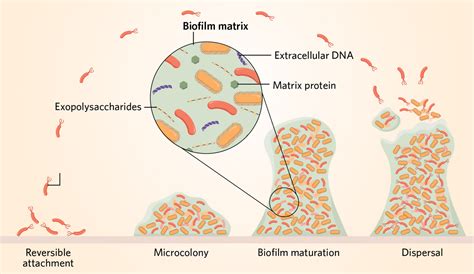
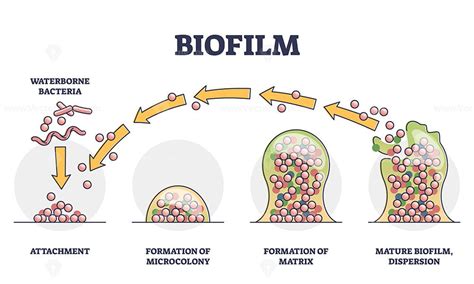
The first major hurdle is the protective shield created by the fungus responsible for seborrheic dermatitis, known as malassezia. This shield, called a biofilm, acts as a biological barrier that anchors the organism and defends it against external threats, much like how bacteria can form biofilms to resist antibiotics. What makes this biofilm particularly difficult to combat is its ability to adapt quickly.
To effectively treat seborrheic dermatitis, the initial and crucial step is to disrupt this biofilm. Only then can antifungal treatments penetrate and perform their intended function.
Methods for Biofilm Disruption
Several agents can help break down the malassezia biofilm:
- Vinegars: White vinegar or apple cider vinegar are common household items that can be used to disrupt the biofilm.
- Colloidal Silver: This consists of silver nanoparticles and can be applied directly to the skin in liquid form to break down the biofilm.
- Sugar Alcohols: Ingredients like xylitol, erythritol, and sorbitol, often found in low-calorie sweeteners, are effective in deactivating the protective biofilm shield of malassezia.
- Selenium Sulfide: This chemical compound is known for its antifungal properties, its ability to alleviate itching, and its efficacy in removing dry, scaly patches from the scalp.
- Lactoferrin: A protein naturally present in milk, colostrum, sweat, and tears, lactoferrin fights infection and safely disrupts biofilms. While typically consumed as a supplement, its topical application for fungal conditions is rare but could be beneficial for those with systemic fungal overgrowth.
Addressing Malassezia Overgrowth
Once the biofilm is disrupted, the next step is to manage the overgrowth of malassezia.
Natural Remedies for Malassezia Overgrowth
Several natural ingredients have shown promise in reducing seborrheic dermatitis symptoms:
- Raw Honey: Proven to be highly effective in alleviating symptoms.
- Garlic: Possesses strong antifungal properties, especially when consumed fresh and raw.
- Sea Salt: Known for its antibacterial and antifungal properties, sea salt has numerous anecdotal reports of improving seborrheic dermatitis and fungal skin conditions.
- Tea Tree Essential Oil: This is one of the few essential oils that can be beneficial when managing seborrheic dermatitis due to its antifungal and anti-inflammatory properties. It's important to use it diluted in a carrier oil, as undiluted application can cause irritation.
The Role of Modern Science in Seborrheic Dermatitis Treatment
While natural remedies are valuable, sometimes incorporating scientifically developed compounds can provide an edge. Antifungal shampoos containing active ingredients like ketoconazole (found in Nizoral), pyrithione zinc, selenium sulfide, or salicylic acid can be effective. Other beneficial ingredients include:
- Aloe Vera: Widely recognized for its ability to reduce redness and soothe inflammation, making it excellent for sunburns and other skin irritations. While some of its benefits are anecdotal, its moisturizing and anti-inflammatory properties are confirmed.
- Methylsulfonylmethane (MSM): A naturally occurring, sulfur-based compound found in plants, animals, and humans.
- Urea: A potent ingredient that acts as a mild exfoliant and a strong humectant, helping to remove dead skin cells, soften the skin, and improve hydration. It can also enhance the absorption of other cosmetic ingredients.
- Medium-Chain Triglyceride (MCT) Oil: Derived from coconut or palm oil, MCT oil is naturally antifungal and, like tea tree oil, does not feed the malassezia fungus.
Dermazen's Approach: The Calming Seborrheic Serum
Dermazen offers a revolutionary approach to fungal skin conditions with their Calming Seborrheic Serum. This product is specifically formulated to address the unique challenges posed by malassezia and its biofilm shield.
How the Calming Seborrheic Serum Works
- Biofilm Disruption: The serum begins by disrupting the biofilm using ingredients like xylitol and colloidal silver.
- Malassezia Clearing: It then works to clear away malassezia with a combination of natural ingredients such as grapefruit seed extract, sea salt, colloidal silver, and tea tree oil.
- Soothing and Hydration: Finally, it calms irritation and hydrates the skin without using oils that feed the fungus. Ingredients like aloe vera, niacinamide (vitamin B3), urea, and sodium hyaluronate (hyaluronic acid) contribute to this soothing effect.
The serum is designed for individuals struggling with skin issues triggered by malassezia, including seborrheic dermatitis, dandruff, and fungal acne. It is formulated with ingredient minimalism in mind, avoiding parabens, sulfates, fragrances, and harsh chemicals.
Application involves applying a generous amount to the affected skin or scalp before bed. In the morning, the serum can be rinsed off or washed out with a malassezia-safe shampoo. For facial application, the ingredients absorb overnight, providing all-day relief.
Understanding Seborrheic Dermatitis
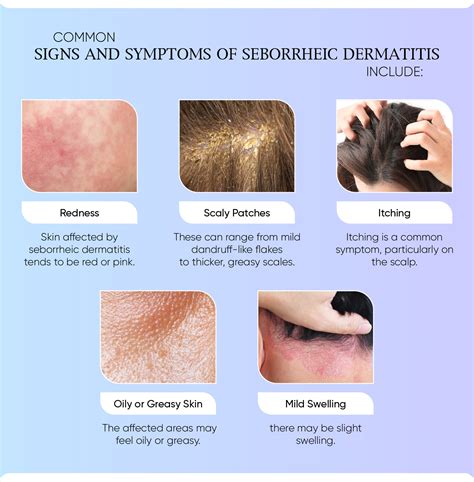
Seborretic dermatitis is a common inflammatory skin condition characterized by flaky, scaly, itchy, or oily skin, often accompanied by redness and inflammation. It commonly affects areas rich in sebaceous glands, such as the scalp.
Causes and Triggers
While the exact cause is not fully understood, Malassezia is considered a primary factor. An overpopulation of this normally harmless yeast on the skin can lead to the condition.
Several factors can trigger or worsen seborrheic dermatitis flare-ups:
- Stress: Stress can disrupt hormonal balance and increase inflammation, exacerbating symptoms. Research indicates a common co-occurrence with mental health conditions like depression and anxiety.
- Sunlight Exposure: While excessive sun can be harmful, moderate sunlight exposure can sometimes improve symptoms. Sunlight is also a source of Vitamin D, and deficiency in this vitamin has been linked to seborrheic dermatitis.
- Diet: Spicy foods and sweets have been identified as potential culprits that worsen symptoms in some individuals.
- Environmental Factors: Certain environmental conditions can increase the likelihood of developing seborrheic dermatitis.
- Hormonal Changes: Fluctuations in hormones can influence the condition.
Lifestyle and Environmental Management
Managing seborrheic dermatitis involves a combination of treatment and lifestyle adjustments:
- Sea Salt Solutions: Applying a sea salt solution can help due to its natural anti-inflammatory properties.
- Vitamin D: Ensuring adequate Vitamin D levels, potentially through supplementation (e.g., D3 with K2), may help manage symptoms. Personal accounts suggest high-dose D3 may be effective for some.
- Stress Management: Techniques to minimize stress, such as setting boundaries and practicing mindfulness, are crucial.
- Lifestyle Changes: Dressing appropriately for the weather, increasing sunlight exposure, using essential oils cautiously, maintaining a balanced diet, and choosing skin-friendly products are beneficial.
- Dandruff Shampoos: Shampoos containing antifungal properties can effectively control fungal growth and oil production on the scalp.
Hair and Scalp Health Considerations
Seborretic dermatitis on the scalp typically does not lead to significant hair loss. However, intense itching can cause scratching that damages hair follicles. Oxidative stress associated with the condition may also play a role. Treating the underlying cause is key to resolving any associated hair thinning.
Beneficial Oils and Treatments for Hair
- Rosemary Oil: Known to protect hair from damage, reduce dandruff, and prevent premature graying. It should be diluted in a Malassezia-safe carrier oil like MCT oil.
- Peppermint Oil: Animal studies suggest it can significantly promote hair growth.
- Lavender Oil: May help increase hair follicle depth.
- Scalp Massages: Regular scalp massages can increase hair thickness by strengthening hair follicle cells.
- Microneedling: This procedure may help activate stem cells in the hair bulge area and enhance hair-related gene expression.
Practices to Avoid
- Overwashing Hair: Can lead to a dry scalp and flaking.
- Infrequent Washing: May cause oil and product buildup.
- Using Oils that Feed Malassezia: Avoid oils like coconut, olive, and avocado oil, which contain fatty acids that malassezia thrives on.
- Expecting Quick Results: Seborrheic dermatitis is a chronic condition, and significant improvement often takes time.
- Ignoring Diet and Lifestyle: Sugary, spicy, or inflammatory foods, as well as stress and lack of sleep, can worsen symptoms.
Customer Testimonials and Product Efficacy
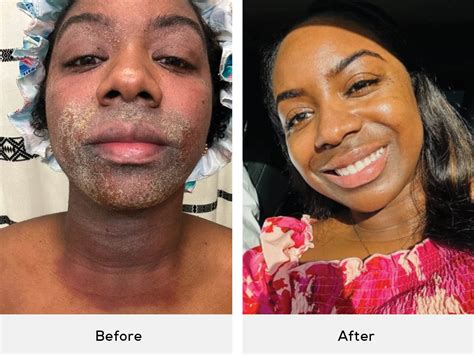
Numerous users have shared positive experiences with Dermazen's products, highlighting significant improvements in their seborrheic dermatitis and dandruff symptoms. Many report reductions in redness, itching, flaking, and embarrassment, often after years of searching for effective solutions.
For instance, one user stated, "After one week of moderate use in conjunction with dandruff shampoo. Boom, gone. I now just use it once or twice a week for maintenance and itâs been staving it off. Super impressed. Great product!!" Another shared, "I have battled seborrheic dermatitis my entire life. I've used prescription topical treatment and tried other more natural treatments on my own. Nothing has worked for me like Dermazen, to the point I'm am about to invest in the entire set. I have zero redness, zero flakes and peeling within a week after using, which means less itching as well."
While some users note that the serum can create a wet appearance if left in, they still find it effective. The price is mentioned as a consideration, but many feel the results justify the investment.
tags: #dermazen #seborrheic #dermatitis #product