Eczema is a group of inflammatory skin conditions characterized by excessive dryness and itching. Retinoids, a class of medications derived from vitamin A, are commonly used to treat various skin conditions. While potent prescription retinoids are primarily used for conditions like acne, milder over-the-counter (OTC) forms, such as retinol, are frequently found in skincare products.
Understanding Retinoids and Their Impact on Eczema
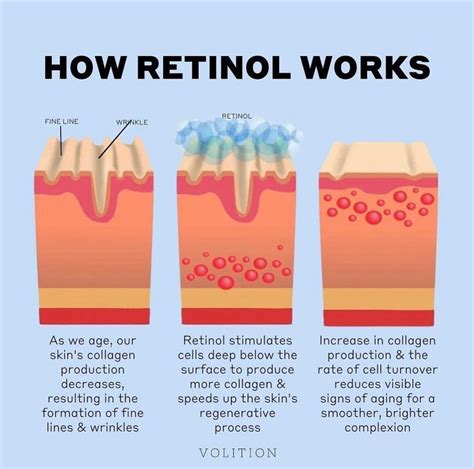
Retinol is a milder type of retinoid available in many skincare products. Retinoids, in general, tend to be more potent. Topical retinol products can enhance the skin's appearance by stimulating collagen production and increasing skin cell renewal. However, retinol has a drying effect on the skin, which can potentially worsen existing eczema symptoms. For this reason, many dermatologists advise individuals with eczema to avoid using retinol or to exercise caution when using retinol products.
Prolonged use of topical retinoids may lead to several side effects, particularly in individuals with sensitive or eczema-prone skin. These side effects can include:
- Excessive dryness
- Skin redness or discoloration
- Skin scaling
- Itching
It is important to note that while prescription retinoids are potent, OTC retinols have a lower potency, suggesting milder potential side effects. The concentration of retinol also varies between products, and individuals with eczema may benefit from choosing products with the lowest available concentrations to minimize irritation.
Potential Benefits and Reasons for Use
Despite the potential for irritation, retinoids, including vitamin A derivatives like retinol, offer proven benefits for the skin. According to the National Eczema Association (NEA), retinoids can increase skin cell turnover, which helps in removing dead skin cells and unclogging pores, leading to brighter-looking skin. They can also contribute to reducing the appearance of wrinkles.
Chronic Refractory Eczema
In certain cases, specific oral retinoids have shown efficacy in treating severe refractory eczema, a condition that does not respond to conventional treatments. For instance, retinoids such as alitretinoin or acitretin may be used off-label to manage chronic refractory eczema on areas like the hands.
Other Skin Conditions
Retinoids can also address other skin concerns, including fine wrinkles, dark spots, and rough skin caused by sun damage. Tretinoin, a prescription retinoid, is used to treat acne vulgaris and other skin diseases. It works by keeping skin pores clear and can also improve the appearance of sun-damaged skin by promoting cell turnover and lightening the skin. However, it's crucial to understand that tretinoin may not completely or permanently erase more significant skin issues like deep wrinkles.
Using Retinoids with Eczema-Prone Skin: Precautions and Tips
For individuals with eczema-prone skin, using retinoids, including OTC retinol products, requires careful consideration and adherence to specific guidelines. Consulting with a dermatologist is paramount to developing a safe and effective skincare plan. A dermatologist can provide guidance on the most suitable retinoid treatments and dosages to minimize potential side effects.
Choosing the Right Products and Application Methods
- Consult with a dermatologist: A dermatologist can help create a personalized skincare plan, recommend appropriate retinoid treatments, and advise on dosages to limit side effects.
- Choose products with lower concentrations of retinol: Opt for OTC retinol products with the lowest available concentrations to reduce the risk of skin irritation.
- Opt for moisturizing formulations: Select retinol products that contain moisturizers, such as creams and ointments, which are generally more hydrating than gels.
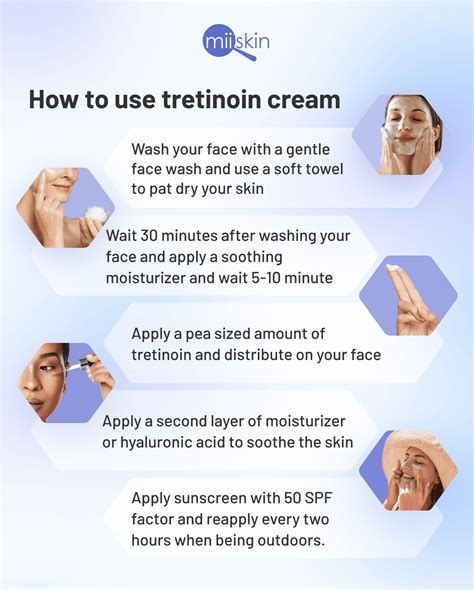
- Ease into treatment: Begin with a small, pea-sized amount of product applied once or twice a week. Gradually increase the dosage and frequency of application if no irritation occurs.
- Monitor for side effects: Be aware of potential side effects, which can range from mild dryness and peeling to more severe reactions like redness, burning, or persistent irritation.
Managing Side Effects
Initial side effects from retinol products can include drier skin, mild peeling, and increased sensitivity to sunlight. These symptoms may diminish as the skin adapts to the treatment. However, if severe side effects occur, such as intense flaking, skin discoloration, redness, burning, or persistent irritation, it is essential to decrease the dosage, application frequency, or discontinue the treatment altogether. A dermatologist may suggest alternative retinoids if necessary.
Important considerations for using tretinoin:
- Tretinoin is available by prescription only and comes in various forms, including gel, cream, and lotion.
- It is crucial to use tretinoin only as directed by a doctor and to avoid applying it to eyes, nose, mouth, or other sensitive areas.
- Washing the skin with a mild soap and patting it dry before application is recommended. Waiting 20 to 30 minutes after washing to ensure the skin is completely dry can help prevent irritation.
- Applying a pea-sized amount to cover the affected area lightly and rubbing it in gently is sufficient.
- Sun protection is vital when using tretinoin, as it can increase sensitivity to sunlight.
Continuing Eczema Therapies While Using Retinoids
When incorporating retinol products into a skincare routine, individuals with eczema should continue their usual eczema management strategies. This includes:
- Following appropriate bathing practices.
- Regularly applying emollients.
- Avoiding known eczema triggers.
Applying a moisturizer after using retinol products and throughout the day can help combat excessive skin dryness.
Tretinoin and Eczema: Specific Considerations
Tretinoin, another type of retinoid, requires particular caution for individuals with eczema. Reports indicate that tretinoin can cause severe irritation when applied to eczema-prone skin. The Food and Drug Administration (FDA) advises individuals with eczema to use extreme caution when applying tretinoin products.
Typically, doctors do not prescribe retinoids to individuals with eczema because these medications can aggravate eczema symptoms. However, as mentioned earlier, certain prescription retinoids like alitretinoin and acitretin may be considered for severe, treatment-resistant eczema.
Alternatives to Retinol for Eczema
For those seeking the benefits of retinoids but concerned about potential irritation, alternative ingredients may be suitable. Research suggests that the plant chemical bakuchiol may offer similar benefits to retinol with a lower incidence of side effects.
A study comparing bakuchiol and retinol found that while both significantly reduced wrinkles and hyperpigmentation, participants using retinol reported more facial scaling and stinging. This indicates that bakuchiol might be a more tolerable option for some individuals. Bakuchiol has also demonstrated promising anti-inflammatory and antibacterial properties.
Products containing bakuchiol are increasingly available, and a dermatologist can provide guidance on its use for eczema-prone skin.
Meet Bakuchiol, the Better Retinol Alternative for Sensitive Skin
Frequently Asked Questions
Is tretinoin okay for eczema?
Tretinoin can cause severe irritation on eczema-prone skin. The FDA recommends using tretinoin products with extreme caution on such skin.
What is the prescription retinol for eczema?
Generally, doctors do not prescribe retinoids for eczema due to their potential to worsen symptoms. However, potent prescription retinoids like alitretinoin and acitretin may be used for severe, unresponsive eczema.
Can retinol worsen eczema symptoms?
Yes, retinol can exacerbate eczema symptoms such as dryness and itching. Dermatologists often advise caution or avoidance of retinol for individuals with eczema.
What can be used instead of retinol for eczema?
Bakuchiol is a plant-based ingredient that may offer similar benefits to retinol with fewer side effects and is considered a potential alternative for eczema-prone skin.
Tretinoin Product Information
Tretinoin is a prescription medication used to treat various skin conditions, including acne, fine wrinkles, dark spots, and rough skin caused by sun exposure. It works by promoting skin cell turnover and lightening the skin. Tretinoin is available in different forms such as gel, cream, and lotion.
Key points regarding tretinoin use:
- Dosage: Follow your doctor's prescription precisely. Dosage varies based on the condition being treated and individual response.
- Application: Apply a thin layer to the affected areas, typically once daily at bedtime. Ensure the skin is clean and dry before application.
- Precautions: Avoid contact with eyes, mouth, and mucous membranes. Protect treated skin from sun exposure.
- Side Effects: Common side effects include redness, peeling, dryness, and increased sensitivity. Severe reactions may occur, necessitating medical attention.
- Interactions: Inform your doctor about all other medications and topical products you are using to avoid potential interactions.
Common brand names for tretinoin include: Altreno, Atralin, Avita, Refissa, Renova, Retin-A, Retin-A Micro, Tretinoin, Tretinoin Gel, Tretinoin Cream, Tretinoin Lotion, Tretinoin Solution, Vitamin A Acid.