Water is the most common cosmetic ingredient, typically appearing at the top of ingredient lists as it constitutes the largest portion of a product. Beyond its cosmetic role, water is essential for life.
Key Ingredients and Their Benefits
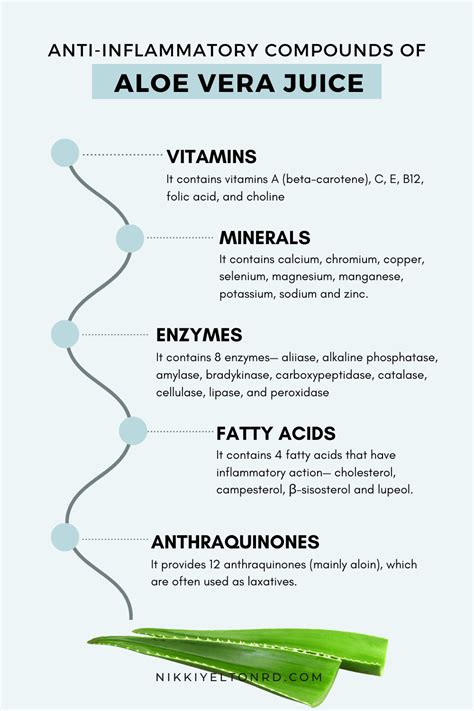
Aloe Barbadensis Leaf Juice
Derived from the leaves of the aloe plant, Aloe Barbadensis Leaf Juice is renowned for its soothing properties, particularly for sunburns. It also exhibits anti-inflammatory, moisturizing, antiseptic qualities, and aids in wound healing. This ingredient is rich in Vitamins A, C, and E, which act as antioxidants, combating free-radical damage from environmental stressors like pollution. Additionally, it contains beneficial sugars (monosaccharides and polysaccharides), folic acid, and choline.
Decyl Glucoside
Decyl Glucoside is a glucose-based surfactant and emulsion stabilizer created by reacting glucose with plant-derived fatty acids. Surfactants help cleanse the skin by trapping and washing away oil, sebum, and dirt. As an emulsion stabilizer, it prevents product ingredients from separating. This ingredient is biodegradable, non-toxic, and commonly found in baby shampoos. It is also sometimes used to stabilize UV filters like Tinosorb.
Lauryl Glucoside
Lauryl Glucoside is a sugar- and lipid-based cleansing agent derived from glucose and lauryl alcohol. It functions as a surfactant, facilitating the removal of oil, dirt, and pollutants. A British study indicated that lauryl glucoside may cause skin sensitivity in some individuals, and it is advisable to consult a professional if concerns arise.
Glycerin
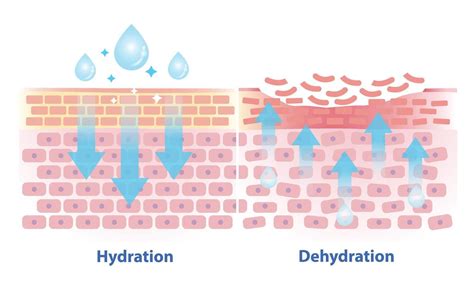
Naturally present in the skin, Glycerin is a powerful humectant that moisturizes and protects the skin by drawing moisture from the environment. A 2016 study found it to be more effective than AHAs and hyaluronic acid in this regard. Its low molecular weight allows it to penetrate deeper skin layers, improving hydration and strengthening the skin barrier against irritants and bacteria. Glycerin also possesses antimicrobial and antiviral properties, making it useful in wound and burn treatments. Typically derived from plants like soybean or palm in cosmetics, it can also be sourced from animals. Glycerin is organic, colorless, odorless, and non-toxic. In American English, it is simply referred to as glycerin.
Simmondsia Chinensis (Jojoba) Seed Oil
This oil, extracted from the seeds of a desert shrub, is commonly known as Jojoba Oil. It is a non-comedogenic oil rich in Vitamin E, a beneficial moisturizing and antioxidant ingredient that protects against oxidative damage. Jojoba oil also acts as a humectant, drawing moisture from the air to keep the skin hydrated. While it exhibits some antibacterial properties, it is effective against only certain strains of bacteria and has shown promise in wound healing. Historically, Indigenous cultures used jojoba for moisturizing and treating burns. Its composition is similar to human skin sebum, making it effective for dry skin and potentially regulating sebum production. However, due to its fatty acid content, it may not be suitable for fungal acne.
Olea Europaea Fruit Oil (Olive Oil)
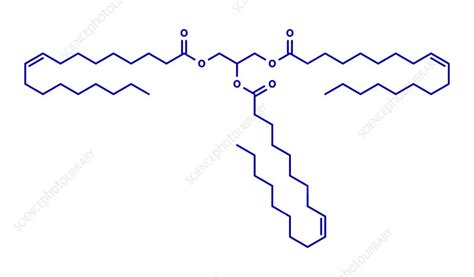
Olive Oil is obtained from the ripe fruit of the olive tree. Its primary components are glycerides of linoleic, oleic, and palmitic fatty acids, along with antioxidants like Vitamin E, which combat free-radical damage and signs of aging. It also contains Vitamins A (retinol), D, and K. The squalene in olive oil acts as an emollient, softening and smoothing the skin by trapping moisture. Studies suggest olive oil has antibacterial and antifungal properties in low concentrations. However, one study noted it can irritate sensitive, oily skin, so professional consultation is recommended. Like jojoba oil, its fatty acid content may make it unsuitable for fungal acne.
Emulsifiers and Surfactants
Emulsifiers are crucial for stabilizing products by preventing ingredients like oil and water from separating. Surfactants reduce surface tension, making it easier to cleanse pollutants from the skin. Due to its relation to lauric acid, some surfactants may offer antimicrobial benefits.
Avena Sativa (Oat) Kernel Extract (Colloidal Oatmeal)
Created by grinding oat kernels, Oatmeal is known for its ability to soothe, hydrate, and protect the skin. Colloidal oatmeal, specifically, has abrasive properties that contribute to exfoliation. It is also recognized for its softening, nourishing, rejuvenating, and emollient qualities, and can aid in anti-aging and elasticity improvement.
Xanthan Gum
Xanthan gum functions as a stabilizer and thickener in cosmetic products, providing a desirable texture and preventing products from becoming too runny. Technically a polysaccharide, it is composed of multiple sugar molecules bonded together and is considered a common and effective ingredient.
Camellia Sinensis Leaf Extract (Green Tea Extract)
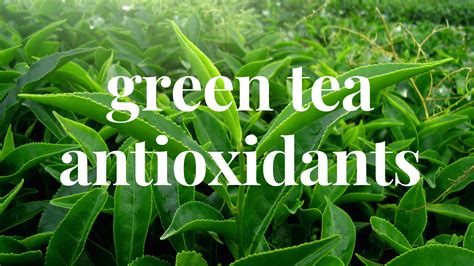
Derived from tea leaves, Camellia Sinensis Leaf Extract is rich in polyphenols, potent antioxidants that protect skin cells from damage and neutralize free radicals from the sun, offering some UV protection (though not a substitute for sunscreen). Components of green tea, such as polyphenols and L-theanine, have anti-inflammatory properties that soothe the skin and reduce irritation. Caffeine in the extract can calm inflamed blood vessels. Research indicates that both consuming and applying green tea can enhance skin elasticity and hydration.
Honey
Honey, produced by bees, is primarily composed of fructose and glucose, along with amino acids, peptides, and Vitamins A, C, and E. As a humectant, it effectively hydrates the skin by drawing moisture from the air. Honey also possesses antioxidant and antiseptic properties. Darker honey generally contains more antioxidants than lighter varieties. Its antibacterial properties may help in treating acne, though professional advice is recommended for concerns. It's important to note that honey is a food allergen and technically a byproduct of bees, as it is created from digestive enzymes in their stomachs. Kindness to bees is encouraged due to their ecological importance and endangered status.
Preservatives: Phenoxyethanol, Ethylhexylglycerin, Sodium Benzoate, Potassium Sorbate
- Phenoxyethanol is a preservative with germicide, antimicrobial, and aromatic properties, preventing microbial growth. It has a rose-like scent and is often paired with Caprylyl Glycol to extend shelf life.
- Ethylhexylglycerin, derived from glyceryl, acts as a preservative and skin softener. It is often used with other preservatives like phenoxyethanol to enhance their effectiveness. It makes the skin softer, smoother, and more hydrated without a heavy feeling. While generally safe, it can be an irritant in concentrations above 2% in leave-on products and 8% in rinse-off products.
- Sodium Benzoate is a preservative approved by the US FDA and EU Health Committee, used in cosmetics and food to inhibit mold and bacteria. It functions by preventing bacterial fermentation of sugar within cells. It is the salt of benzoic acid and found in many food products. Studies on its use in multi-step skincare routines are limited.
- Potassium Sorbate is a preservative that prevents yeast and mold growth in products, commonly found in both cosmetics and food. It is derived from potassium salt of sorbic acid, a natural antibiotic effective against fungus. It is often used in conjunction with other preservatives.
Product Description and Benefits
The Eczema Honey Oatmeal Facial Cleanser is formulated to gently cleanse the skin, removing dirt, sebum, and debris while maintaining hydration and nourishment. Its soothing formula helps clear impurities and prevent breakouts. A natural blend of colloidal oatmeal, honey, and aloe vera juice prevents over-drying and calms the skin. The product is free from harmful chemicals, fragrances, and essential oils that could irritate the skin. This Dermatologist Tested formula clears dirt and helps prevent breakouts, with colloidal oatmeal and oat extract providing comfort and preventing over-drying. The cleanser is Leaping Bunny Certified Cruelty Free.
How to Use
- Wet your face and hands with lukewarm water.
- Lather the cleanser in your hands.
- Gently massage the lather onto your skin in a circular motion.
Product Analysis
Eczema Honey Oatmeal Facial Cleanser contains 19 ingredients. It is noted to contain antioxidants such as Avena Sativa (Oat) Kernel Extract, Olea Europaea (Olive) Oil, and Simmondsia Chinensis (Jojoba) Seed Oil. The product has an organic score of 53% natural and 47% chemical. It is not vegan but is cruelty-free and reef-safe.
Positive Effects:
- Moisturizing: Aloe Barbadensis (Aloe Vera) Leaf Juice, Ethylhexylglycerin, Glycerin, Honey, Olea Europaea (Olive) Oil
- Softening: Colloidal Oatmeal, Avena Sativa (Oat) Kernel Extract, Ethylhexylglycerin, Glycerin, Olea Europaea (Olive) Oil
- Antiseptic: Ethylhexylglycerin, Honey, Phenoxyethanol, Potassium Sorbate, Sodium Benzoate
Concerns:
- Pore-clogging components: Olea Europaea (Olive) Oil, Simmondsia Chinensis (Jojoba) Seed Oil
- Fungal acne supporting components: Olea Europaea (Olive) Oil, Simmondsia Chinensis (Jojoba) Seed Oil
- Gluten: Avena Sativa (Oat) Kernel Extract
The product is free from allergens, drying alcohols, chemical fragrances, parabens, silicones, sulfates, PEG, coconut, and petroleum-based ingredients.
ECZEMA HONEY OATMEAL FACIAL CLEANSER, Miranda’s review - ECZEMA HONEY tester
The Eczema Honey Oatmeal Facial Cleanser is described as gentle and hydrating for daily use, free from irritating chemicals. Its unique formulation cleanses while leaving the skin feeling nourished, addressing the many irritants and allergens faces encounter daily.