The U.S. Food and Drug Administration (FDA) has alerted the public and industry to the results of its recent testing of acne products containing benzoyl peroxide (BPO) for potential benzene contamination. Following independent testing, the FDA concluded that a limited number of products warrant a recall at the retail level, with over 90% of tested products showing undetectable or extremely low levels of benzene.
The FDA initiated its own testing after receiving third-party results that indicated elevated levels of benzene in certain BPO-containing acne products. The FDA's testing revealed fewer products with benzene contamination compared to the initial third-party findings.
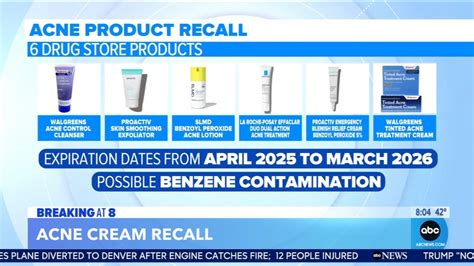
Several companies have voluntarily agreed to recall specific products due to elevated benzene levels. These recalls are being conducted at the retail level, meaning retailers are instructed to remove the affected products from store shelves and online marketplaces. Consumers are not specifically instructed to take action regarding products they currently possess. The FDA emphasizes that even with prolonged daily use of these products over decades, the risk of developing cancer due to benzene exposure from them is considered very low.
Products Subject to Recall
The following products were voluntarily recalled by their manufacturers:
| Product | Lot Number(s) | Expiration Date |
|---|---|---|
| La Roche-Posay Effaclar Duo Dual Action Acne Treatment | MYX46WA | April 2025 |
| Walgreens Acne Control Cleanser | 23 09328 | September 2025 |
| Proactiv Emergency Blemish Relief Cream Benzoyl Peroxide 5% | V3305A; V3304A | October 2025 |
| Proactiv Skin Smoothing Exfoliator | V4204A | July 2025 |
| SLMD Benzoyl Peroxide Acne Lotion | 2430600 | March 2025 |
| Walgreens Tinted Acne Treatment Cream | 49707430 | March 2026 |
Additionally, the manufacturer of Zapzyt Acne Treatment Gel agreed to voluntarily recall this product due to elevated benzene levels found during their own testing.
Understanding Benzene and Benzoyl Peroxide
What is Benzene?
Benzene is a chemical that occurs naturally and is also a byproduct of human activities. It is present in crude oil, gasoline, and cigarette smoke. Exposure to benzene can increase the risk of developing cancer, including leukemia and other blood disorders, following prolonged exposure through various routes such as inhalation, ingestion, and skin absorption.
What is Benzoyl Peroxide?
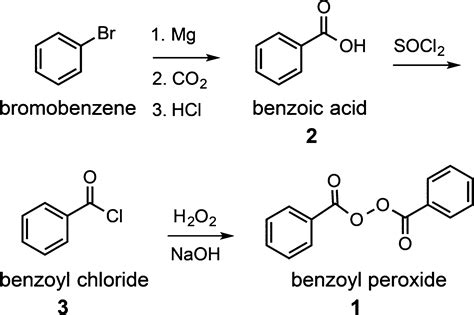
Benzoyl peroxide (BPO) is a common active ingredient in acne products, known for its effectiveness in killing acne-causing bacteria and reducing inflammation. It also helps prevent pores from becoming clogged. Some dermatologists believe BPO has a direct anti-inflammatory effect. In combination with topical antibiotics, BPO can help mitigate the risk of antibiotic resistance, a growing concern with the overuse of antibiotics alone for acne treatment.
However, research has indicated that benzoyl peroxide can break down over time, potentially forming the carcinogen benzene. This degradation can be accelerated by higher temperatures, highlighting the importance of proper storage conditions.
The Role of Independent Testing and FDA Action
The FDA's investigation was prompted by concerns raised by third-party testing laboratories, notably Valisure, an independent laboratory specializing in pharmaceutical and consumer product testing. Valisure had previously reported finding benzene in sunscreens and subsequently in popular acne products. These findings led to FDA citizen petitions urging regulatory action.
In March 2024, a study published in Environmental Health Perspectives investigated the stability of various BPO-containing acne products. By exposing products to elevated temperatures to simulate breakdown over time or under certain storage conditions, researchers discovered benzene contamination. Some products were found to exceed the FDA's conditional limit of two parts per million (ppm), with levels as high as 35 ppm reported in some instances. A follow-up study in the Journal of Investigative Dermatology tested 111 products at room temperature, finding that one in three violated the FDA's conditional limit.
The FDA tested a total of 95 acne treatment products containing benzoyl peroxide, utilizing validated test methods. Their findings indicated that six products had elevated levels of benzene. The agency noted that some of these products were nearing their expiration dates and advised consumers to check and discard expired products.
The FDA intends to publish the full results of its testing, including data and testing methods, in peer-reviewed journals. The agency continues to emphasize the responsibility of manufacturers, distributors, repackagers, and importers for the safety and quality of their products, including the requirement to evaluate and test for contaminants.
Concerns and Risk Assessment
While the FDA's testing found fewer contaminated products than some third-party reports, the agency acknowledges the potential for elevated benzene levels. The FDA has also raised concerns that unvalidated testing methods used by some third-party laboratories may produce inaccurate results, leading to consumer confusion.
Christopher Bunick, MD, PhD, associate professor of dermatology at Yale School of Medicine and a co-author on some of the research studies, stated that the recalls validate the concerns raised about benzene contamination and underscore the need for corrective actions. He noted that the FDA may have identified less benzene contamination due to a time lag between the researchers' initial findings and the FDA's own testing, potentially meaning the products tested were not identical.
Bunick also highlighted that benzene is present in many aspects of daily life, including dry shampoos, sunscreens, and cigarette smoke, contributing to a cumulative societal exposure risk. He emphasized that because there are alternative acne treatments that do not involve benzoyl peroxide, there should be no acceptable level of benzene in acne products.
A pharmacovigilance study using the FDA Adverse Event Reporting System (FAERS) database suggested that BPO-containing products were associated with higher odds of users reporting skin and breast cancer. While this study is hypothesis-generating and cannot establish causality, it indicates a need for further investigation into the safety of these products.
Debate remains over certain skincare products linked to benzene, a known carcinogen
What Consumers Should Do
Consumers who use BPO-containing acne products are advised not to panic. The FDA's voluntary recalls are a precautionary measure. Users can take steps to minimize potential exposure:
- Check product expiration dates and discard any expired products.
- Avoid storing these products in hot environments, such as in a shower or near a heat radiator, as heat can accelerate the breakdown of BPO into benzene.
- Purchase products from legitimate sources to ensure product integrity.
For the La Roche-Posay Effaclar Duo Dual Action Acne Treatment, the recall specifically concerns the US market. Versions sold in Singapore, Malaysia, Australia, and countries in the European Union, such as Effaclar Duo+M, do not contain benzoyl peroxide and are therefore not affected by this recall.
For additional information and updates on product recalls, consumers can visit the FDA’s drug recalls page or search the FDA’s recalls database.