Loofahs, sometimes spelled luffas, are popular shower accessories used for cleaning and exfoliating your skin. While their coarse, spongy consistency might lead some to believe they are made from sea sponge or dried coral, natural loofahs are actually derived from a gourd in the cucumber family. These natural sponges offer benefits for skin exfoliation and cleansing, but they may not be the ideal choice for everyone, especially those with sensitive skin, and require proper care to prevent bacterial growth.
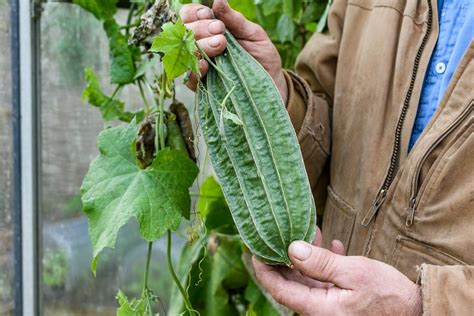
The Origin and Cultivation of Loofahs
Luffa gourds are cultivated in tropical and subtropical climates. Historically, before World War II, the United States imported many loofahs from Japan at the peak of their popularity. Today, luffa plants can be grown domestically or sourced from various warmer climates around the world. After the plant blossoms, it develops a long, gourd-like fruit that bears a resemblance to a giant cucumber or zucchini. These gourds are then harvested and can be left to dry for up to six months. Following the drying period, the gourds are soaked in water, their outer skin is peeled away, and the seeds are removed. Once completely dry, they are prepared for sale as sponges by being sliced, cut, or shaped.
Benefits and Uses of Loofahs
Loofah sponges, derived from the luffa plant, have a long-standing history of use as effective scrubbers. Their benefits and applications include:
- Assisting in lathering soap for a thorough skin cleanse.
- Exfoliating dead skin cells from both the face and body.
- Stimulating blood circulation during showering or bathing.
Beyond personal hygiene, some individuals also find loofahs to be useful household cleaning tools. They can be employed to scrub surfaces such as tiles, showers, and sinks, tackling hard-to-clean areas.
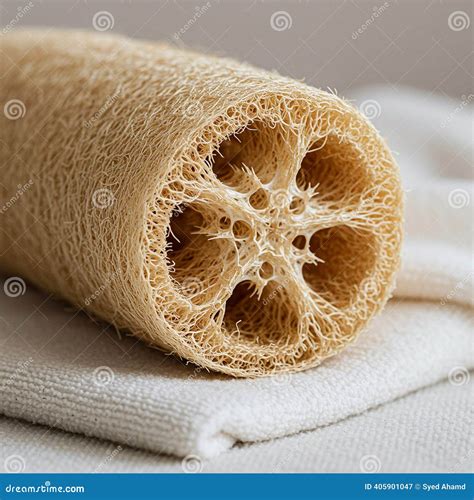
The Exfoliation Process and Potential Risks
People are drawn to loofahs primarily for their exfoliating capabilities. Dead skin cells can accumulate on the skin's surface, leading to a duller and less youthful appearance. Loofahs effectively scrub away this outer layer without harming the healthy, younger skin cells beneath. However, this exfoliating action can also present hidden risks.
Once a loofah is hung to dry in a shower environment, it remains susceptible to moisture and steam residue. The presence of dead skin cells in a consistently damp setting creates an ideal breeding ground for bacteria. While loofahs may not typically harbor the most common strains of staph or strep bacteria, they can become carriers for other bacteria present on the body, such as E. coli. This risk can be mitigated with regular and correct cleaning, though it is often overlooked by most users.
Furthermore, loofahs can be excessively abrasive for certain skin types. If you have experienced redness or irritation after using a loofah, your skin may be particularly sensitive to dermabrasion and exfoliation. The coarse and somewhat brittle texture of the loofah fibers can, over time, cause damage to the skin.
Proper Care and Maintenance of Loofahs
To ensure safe and effective use of your loofah, diligent daily maintenance is crucial. Instead of simply hanging it in the shower, it is recommended to thoroughly wring out excess moisture with a dry towel and allow it to dry completely. When not in use, store the loofah in a cool, dry place outside of the bathroom.
Regular cleaning of your loofah is also essential. An older study suggested that weekly cleaning with a diluted mixture of 10 percent bleach and water can significantly reduce the risk of bacterial contamination. To do this, immerse the loofah in the bleach solution for approximately 5 minutes. Afterward, rinse it thoroughly with cool water and ensure it is completely dry before storing it in a cool, ventilated area.
Safe Usage Guidelines and Replacement Schedule
To use loofahs safely and minimize the risk of bacterial spread, they must be replaced frequently. The Cleveland Clinic advises replacing your loofah every 3 to 4 weeks. Any visible signs of mold or a persistent musty odor are immediate indicators that the loofah should be discarded.
To further prevent the spread of bacteria, it is strongly recommended to avoid using loofahs in the genital area. The perineum is a region where E. coli and other potentially harmful bacteria can naturally occur, making it an unsuitable area for loofah use. Additionally, refrain from using a loofah immediately after shaving. Skin is more vulnerable for several days post-shaving, and bacteria can more easily penetrate the compromised skin barrier.
Alternatives to Natural Loofahs
Natural loofah sponges are regaining popularity, and they are readily available. Products are often marketed as "Natural Egyptian style" or "loofah sponge" to distinguish them from synthetic imitations. Authentic loofahs can be found in health food stores and larger retail chains.
Loofahs are not the only option for cleansing the body in the shower. If you wish to completely eliminate the risk of bacterial contamination associated with natural loofahs, various alternative scrubbers are available:
- Synthetic Bath Poufs: Typically made of nylon, these poufs feature dense layers of mesh arranged in a circular pattern. However, like natural loofahs, they can also harbor bacteria, and some may even be more prone to it.
- Silicone Bath Scrubbers: While silicone scrubbers may offer some antimicrobial benefits, they still require regular cleaning and drying.
- Sea Sponge: An alternative to loofahs, sea sponges contain no dyes, preservatives, or chemicals. They possess naturally occurring enzymes that can kill bacteria. Nevertheless, sea sponges also necessitate regular cleaning, drying after use, and frequent replacement.
- Washcloths: Washcloths serve as a reliable and simple alternative. They provide a gentle exfoliating effect and can easily spread soap. A significant advantage of washcloths is their ability to be machine-washed with detergent and hot water after each use. Unlike many other bath accessories, washcloths can be safely used for years.
The Top 5 Best Bath Sponges in 2026 - Must Watch Before Buying!
While natural loofah sponges can harbor dangerous bacteria, they are not inherently problematic. Proper care, regular maintenance, and timely replacement are key to preventing bacterial growth and ensuring their safe use.
tags: #exfoliating #loofah #sponge