What is Molluscum Contagiosum?
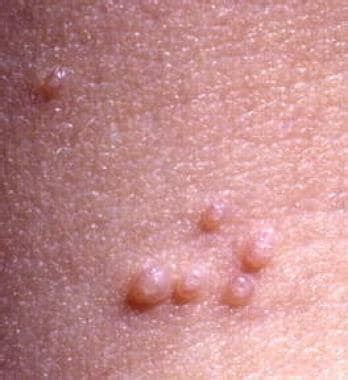
Molluscum contagiosum (MC) is a common viral skin infection caused by the molluscum contagiosum virus (MCV), a member of the poxvirus family. It typically affects children under the age of 10 but can also occur in adults. The infection is characterized by small, smooth, dome-shaped, pink to skin-colored papules, often with a central dimple or whitish core, ranging from 2 mm to 5 mm in diameter. These lesions can appear anywhere on the body, though they are notably absent on the palms and soles. While MC is generally harmless, it is contagious and can cause psychosocial distress due to its appearance and potential for spread.
Causes and Transmission
The molluscum contagiosum virus causes molluscum lesions. The virus is spread through direct skin-to-skin contact, indirect contact with shared items such as towels, or through scratching or picking existing lesions. Children often transmit the virus to one another through play at school. In adults, MC can be sexually transmitted, and its presence may warrant screening for other sexually transmitted infections.
Several factors can increase susceptibility to MC:
- Atopic Dermatitis (Eczema): A strong correlation exists between MC and atopic dermatitis, as a compromised skin barrier makes individuals more prone to infection and scratching can lead to spread.
- Environmental Factors: Frequent swimming, particularly in public pools, has been linked to a higher incidence of MC due to the moist environment facilitating viral transmission.
- Genetic Predispositions: Mutations in genes like filaggrin, which impair skin barrier function, can increase susceptibility, especially in children.
- Immunosuppression: In adults, conditions such as HIV or the use of immunomodulatory therapies significantly raise the likelihood of widespread and persistent infections.
Symptoms and Diagnosis
Molluscum contagiosum typically manifests as smooth, dome-shaped papules with a central dimple or whitish core. These lesions are pink to skin-colored and can vary in number from a single papule to clusters. Commonly affected areas include the neck, armpits, chest, thighs, buttocks, genitals, and face. The skin surrounding the lesions may develop an eczema-like reaction, becoming rough, pink, and itchy, which can lead to scratching and subsequent spread of the virus. Lesions may also become red, swollen, or pus-filled, indicating an immune response and the beginning of viral clearance. After resolution, temporary discoloration, such as pink, purple, or white spots, may occur before gradually fading.
Diagnosis is usually clinical, based on the distinctive appearance of the lesions. In rare cases, a skin scraping or biopsy may be performed to confirm the diagnosis.
Treatment Options for Molluscum Contagiosum
While molluscum contagiosum lesions are often self-limiting and will eventually resolve on their own, treatment options are available to speed up the process, prevent spread, or manage cosmetic concerns. The choice of treatment depends on the location, number of lesions, and patient preference.
Destructive Methods
- Cryosurgery (Freezing): This involves applying a very cold substance, such as liquid nitrogen, directly to the molluscum bumps. This method destroys the lesions through freezing and may require multiple treatments every 2 to 3 weeks. While effective, it can be painful, especially for children.
- Curettage: This is a rapid and highly effective method involving the physical removal of skin lesions using a curette or punch biopsy tool. Many patients experience significant improvement or complete clearance after just one session. It is considered invasive by some, particularly for pediatric patients.
- Laser Therapy: Pulsed dye laser (PDL) therapy is an effective treatment option, particularly for difficult-to-treat lesions or immunocompromised individuals. It is quick, well-tolerated, and typically does not cause scarring or permanent changes in skin pigmentation. However, insurance coverage can be limited, making it a more expensive option.
Topical Therapies
- Cantharidin (Ycanth): Derived from the juice of a blister beetle, cantharidin is a topical therapy that causes controlled blisters when applied carefully to molluscum lesions. It is applied in a healthcare setting and forms a blister within 24 to 48 hours. It is generally painless upon application but the resulting blisters can sometimes be tender. Multiple in-office treatment sessions may be required. Cantharidin was the first FDA-approved topical treatment for patients aged 2 years and older.
- Berdazimer (Zelsuvmi): This is a nitric oxide-releasing agent with antiviral properties, approved in January 2024 for adults and children aged 1 year and older. Berdazimer can be applied at home by patients or caregivers once daily for up to 12 weeks. While convenient, its longer duration of use may be a drawback for some.
- Potassium Hydroxide (KOH): This chemical is used at home and applied directly to the lesions at bedtime. It works by causing a brisk reddish reaction within 2-8 days, which is the desired response. Application should be stopped when tenderness or irritation occurs and can be restarted if lesions do not resolve.
- Salicylic Acid (e.g., Compound W): These over-the-counter products are used similarly to KOH but typically take longer, 2-3 weeks, to generate the desired redness and inflammation.
- Imiquimod (Aldara): This is an off-label topical treatment believed to have antiviral and antitumor properties. Its efficacy, particularly in children, is debated, with varying results reported in studies. It remains a viable option for those seeking a less invasive approach, but its effectiveness should be carefully considered.
Molluscum Contagiosum (“Papules with Belly Buttons”): Risk factors, Symptoms, Diagnosis, Treatment
Does Treating Molluscum Hurt?
Most common treatment options for molluscum are painless. Topical prescriptions might cause some skin irritation but usually do not cause pain. Cantharidin is painless to apply, but the subsequent blisters can be tender during healing. Destructive methods like cryosurgery or curettage may involve mild discomfort during the procedure but are generally well-tolerated.
How Long Does It Take for Molluscum to Go Away?
The resolution time depends on the treatment modality. With cantharidin, molluscum may resolve within 1-2 weeks as the blisters heal. Cryosurgery is associated with a similar healing time. If topical medications are used, molluscum may take several weeks to resolve. Some lesions might require more than one treatment session. If left untreated, molluscum can take several months to years to resolve; approximately 50% of cases in children resolve by 1 year, and two-thirds by 18 months. Adults may take longer.
Will Molluscum Come Back After Treatment?
Typically, once infected with molluscum, immunity is developed to the virus. However, because there is more than one strain of the virus, it is possible to develop the infection again.
Preventing the Spread of Molluscum Contagiosum
To prevent the spread of molluscum contagiosum, it is important to:
- Avoid scratching or picking lesions, as this can spread the virus to other parts of the body.
- Ensure all household members use their own towels and wash them after each use.
- Avoid sharing clothing or other items that come into direct contact with molluscum lesions.
- Practice good hygiene, especially after workouts or swimming.
- Use barriers, such as clothing or bandages, over affected areas if needed.