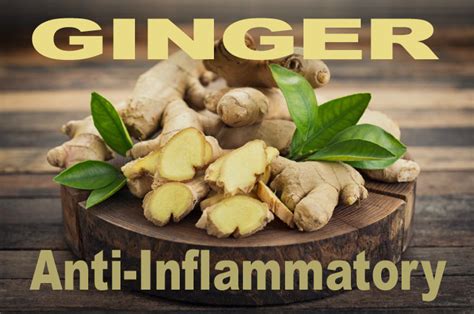
Ginger, scientifically known as Zingiber Officinale, is a potent ingredient recognized for its beneficial properties in skincare. Studies have highlighted the ginger root's significant antioxidant, anti-inflammatory, and antimicrobial qualities, making it a valuable component in facial cleansers.
Key Ingredients and Their Functions
A well-formulated ginger face wash typically contains a blend of ingredients, each contributing to the overall efficacy of the product. Understanding these components can help in choosing a cleanser that best suits your skin's needs.
Moisturizing and Hydrating Agents
Glycerin is a humectant that naturally occurs in the skin. Its primary role is to attract and retain moisture, helping to keep the skin hydrated. A 2016 study indicated that glycerin is a highly effective humectant, even surpassing AHAs and hyaluronic acid in its ability to draw moisture to the skin. Its low molecular weight allows it to penetrate deeper skin layers, enhancing hydration and strengthening the skin barrier. This improved barrier function is crucial for protecting the skin from environmental irritants and bacteria. Glycerin also possesses antimicrobial and antiviral properties, which are beneficial in skincare and are often utilized in wound and burn treatments. In cosmetic products, glycerin is commonly derived from plant sources like soybean or palm, though animal sources are also possible. It is an organic, colorless, odorless, and non-toxic ingredient.
Sorbitan Olivate, derived from olive oil fatty acids and sorbitol, acts as an oil-in-water emulsifier. It helps to stabilize formulations by preventing oil and water components from separating. Additionally, Sorbitan Olivate contributes to skin hydration and is believed to help preserve the skin's natural microbiome, which is essential for healthy skin and defense against harmful bacteria. It's important to distinguish a healthy microbiome, which includes beneficial yeasts, from fungal acne, which occurs when specific yeasts like Malassezia overgrow.
Sodium Hyaluronate is the salt form of hyaluronic acid, renowned for its exceptional ability to retain water. As a humectant, it effectively draws moisture to the skin, contributing to hydration and a plumper appearance.
Camellia Sinensis Leaf Extract, derived from the tea plant, contains polyphenols, which are powerful antioxidants. These compounds help combat free radicals that damage skin cells and can offer some protection against UV-induced damage, though it should not replace sunscreen. The extract also boasts anti-inflammatory properties, with polyphenols and L-theanine working to soothe the skin and reduce irritation. Caffeine present in the extract can help calm inflamed blood vessels. Research suggests that both topical application and consumption of green tea can improve skin elasticity and hydration.
Rosa Damascena Flower Water, a byproduct of steam-distilling damask rose petals, offers skin conditioning, masking, and protective benefits. It is rich in flavonoids and phenolic compounds, such as gallic acid, contributing to its antioxidant activity. Studies indicate that Rosa damascena can scavenge free radicals and reduce melanin overproduction, and it provides some UV absorption, though sunscreen remains essential.
Jasminum Officinale Flower Water, derived from the Jasmine plant, contains antioxidant compounds like flavonoids. It also contains coumarin, which is noted as an EU allergen.
Allantoin is a well-regarded soothing ingredient known for its protective and moisturizing properties. While it can be naturally derived from the comfrey plant, it is typically synthesized for cosmetic use to ensure purity. Allantoin promotes skin cell turnover and renewal by stimulating keratinocyte and fibroblast proliferation. Its mild keratolytic properties aid in the gentle shedding of dead skin cells. Studies also suggest that allantoin can help calm inflammation by reducing the chemical signals associated with skin irritation. It is considered non-sensitizing and non-irritating, making it suitable for most skin types and routines. Allantoin is naturally found in sources like comfrey root, beets, chamomile, and wheat sprouts, and is also a byproduct of human uric acid metabolism.
Cleansing Agents and Surfactants
Stearic Acid is a fatty acid that functions as an emollient, emulsifier, and texture enhancer. As an emollient, it softens the skin and helps prevent water loss by supporting the skin's protective barrier. It can also improve product texture and stabilize ingredients like water and oil, preventing separation. Stearic acid is sourced from animal or vegetable fats and oils.
Lauric Acid, a fatty acid, is a significant component of coconut oil. It hydrates and soothes the skin, acting as a humectant to trap moisture.
Myristic Acid is a saturated fatty acid found in milk fat, palm oil, coconut oil, and butter fat. It serves as an emulsifier, stabilizing products by preventing ingredient separation, and as a cleanser, acting as a surfactant to lift and rinse away oil and dirt.
Coco-Betaine, often derived from coconuts, is a surfactant that aids in removing dirt and oil from the skin.
Potassium Cocoyl Glycinate is an amino acid-based surfactant and cleaning agent. It can be plant- or animal-derived, or synthetically produced. This mild surfactant helps to gather and remove dirt, oil, and pollutants from the skin, producing a gentle foam.
Arachidic Acid, a fatty acid found in peanut oil and cocoa butter, moisturizes the skin. Synthetically created arachidic acid is derived from linoleic acid.
Glyceryl Stearate Citrate is an ester of glyceryl stearate and citric acid, functioning as an emulsifier, emollient, and surfactant. It stabilizes products, softens skin by creating a protective, hydrating film, and helps remove impurities.
Potassium Hydroxide, also known as caustic potash, is used to adjust product pH or as a cleaning agent in soap production. In cleansers, it facilitates the saponification of oils, a process where fatty acid salts are created. During saponification, potassium hydroxide is consumed and not present in the final product.
Palmitic Acid, a fatty acid naturally present in skin and various sources, acts as a cleanser, emollient, and emulsifier in cosmetics. It softens and smooths skin by preventing water loss, aids in removing oil and dirt, and helps stabilize products by keeping oil and water ingredients from separating. It is typically derived from palm oil.
Coconut Acid, the potassium salt of coconut fatty acids, functions as an emulsifier, surfactant, and cleanser. It is derived from coconut oil and reflects its fatty acid profile, with lauric acid and myristic acid being dominant. Human testing indicates it is not a primary irritant, sensitizer, or phototoxic compound and is COSMOS-approved for natural products. However, due to its high fatty acid content, it may not be suitable for fungal acne-prone skin.
Oleic Acid, an Omega-9 fatty acid found in plant oils, enhances product texture and acts as a cleansing agent.
Exfoliating and Acne-Fighting Ingredients
Salicylic Acid (beta hydroxy acid or BHA) is widely recognized for its efficacy in treating acne and clogged pores. It exfoliates both the skin's surface and within the pores to clear buildup, control oil, and reduce inflammation. As an oil-soluble BHA, it penetrates pores effectively, making it particularly useful for blackheads and preventing future breakouts. Salicylic acid also possesses soothing properties. While it does not increase sun sensitivity, daily sunscreen use is recommended. It's advised to focus on repairing a compromised moisture barrier before introducing salicylic acid, as it can cause irritation or dryness on such skin.
Salt, in the form of sodium chloride, is sometimes used in scrubs as a primary exfoliating ingredient.
Antioxidants and Skin Protection
Zingiber Officinale (Ginger): As mentioned, ginger root possesses antioxidant properties that help protect the skin from damage caused by free radicals.
Tocopherol (Vitamin E) is a common antioxidant that helps protect the skin from free radicals and strengthens the skin barrier. Being fat-soluble, it is readily absorbed by the skin and helps maintain the health of natural skin lipids. Vitamin E provides additional protection for the skin's lipid barrier, keeping it healthy and nourished. It offers some UV protection against UVB rays and, when combined with Vitamin C, can enhance the effectiveness of both ingredients and help reduce damage from UV exposure.
Centella Asiatica Extract (Centella), derived from an herb native to Southeast Asia, is known for its anti-inflammatory and soothing properties. Its compounds aid in soothing, hydrating, and protecting the skin, and it contains vitamins A, C, B vitamins, and Asiatic Acid.
Scutellaria Baicalensis Root Extract from the Baikal skullcap plant provides antioxidant and anti-inflammatory benefits due to its flavonoid content.
Polygonum Cuspidatum Root Extract from the Japanese Knotweed plant also offers anti-inflammatory and antioxidant properties, notably containing high levels of resveratrol.
Rosmarinus Officinalis Leaf Extract, derived from rosemary, contains antioxidants like rosmarinic acid and caffeic acid. Rosmarinic acid has been found to help soothe skin conditions such as eczema and acne.
Chamomilla Recutita Flower Extract, derived from chamomile, is also used for its soothing properties.
Other Ingredients
Water is the most common ingredient in cosmetics, serving as a base solvent.
Polyglyceryl-3 Distearate is noted as not being fungal acne safe.
Potassium Chloride may be unsuitable for oily or acne-prone skin.
Disodium EDTA is a chelating agent that neutralizes metal ions, aiding product stability and preservative function. While generally well-tolerated, sensitive skin may experience reactions.
Melaleuca Alternifolia Leaf Extract comes from the Tea Tree.
Vanilla Planifolia Fruit Extract is derived from the vanilla orchid.
Santalum Album Oil, from the East Indian sandalwood tree, provides fragrance and masking properties but may cause skin sensitization in individuals sensitive to fragrances.
Citronella Oil, also known as an ingredient, has a fresh, lemony, herbal scent. It contains citronellal, geraniol, citronellol, limonene, and methyl isoeugenol, which are known EU allergens and can cause skin sensitization. Undiluted citronella oil is a skin and eye irritant.