Ginger, a familiar culinary spice, boasts a long history of medicinal use, spanning centuries and encompassing both traditional and conventional practices. The roots of the Zingiber officinale plant have been historically employed to address inflammation and gastrointestinal ailments. In recent times, anecdotal information has emerged regarding ginger's potential to enhance hair and scalp health.
While ginger may offer anti-inflammatory benefits for certain scalp conditions, it is crucial to note that some clinical studies have indicated that specific compounds found in ginger might actually inhibit hair growth. Therefore, it is important to thoroughly research ginger and its appropriate applications before attempting to self-treat any dermatologic condition.
In the long term, hair care practices are as vital as those for skin care. Although ginger is not commonly recognized as a medical treatment for maintaining hair health, some individuals anecdotally claim that this spice can stimulate hair growth.
Can Ginger Improve Hair Growth?
Within the framework of Eastern Asian medicine, ginger is occasionally utilized with the aim of promoting hair growth. However, some researchers have pointed out that there is a lack of scientific evidence to substantiate that ginger effectively treats baldness. Instead, the focus often shifts to the potential benefits of ginger for alleviating scalp inflammation. The rationale behind this approach is that when scalp conditions are resolved, hair growth may subsequently improve. Nevertheless, these purported benefits remain largely anecdotal.
Can Ginger Slow Hair Loss?
Currently, there is a scarcity of scientific evidence to suggest that ginger can effectively slow the rate of hair loss. While incorporating ginger for hair and scalp health might lead to perceived improvements in appearance, its efficacy in significantly slowing down hair loss once it has begun is questionable. It is also important to acknowledge that certain instances of hair loss are associated with underlying medical conditions, which may not be addressed by natural treatments like ginger.
Can Ginger Remove Hair?
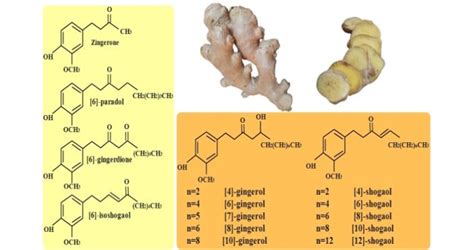
Contrasting with some anecdotal claims about ginger's hair growth-promoting potential, a body of clinical evidence points towards the opposite effect. A study focusing on 6-gingerol, a compound present in ginger, observed a reduction in hair growth in both mice and human hair follicles in vitro. Based on these findings, researchers concluded that ginger might possess properties that inhibit hair growth or even facilitate hair removal.
Safe Usage and Potential Side Effects
As a culinary spice, ginger is generally considered safe for most individuals. However, if you have any known allergies to ginger, it is advisable to avoid applying extracts, essential oils, or any other form of ginger to your hair and scalp. To ascertain potential adverse reactions, it is recommended to perform a patch test by applying a small amount of ginger to the inside of your elbow 24 hours prior to broader application on the hair or scalp. Should any adverse reactions occur, refrain from using ginger.
Potential Adverse Reactions to Topical Ginger Application:
- Red rash
- Hives or welts
- Itchiness
- Increased inflammation
- Burns
Traditionally, ginger extracts intended for hair and scalp application are used topically only. Ingesting ginger for these purposes is not recommended unless explicitly advised by a healthcare professional. Oral consumption of ginger may lead to the following side effects:
Potential Side Effects of Oral Ginger Consumption:
- Cramps
- Diarrhea
- Excessive gas
- Heartburn
- Drug interactions, particularly with blood thinners (anticoagulants)
Methods of Using Ginger for Scalp and Hair
The internet abounds with recipes purported to aid hair growth. While many of these lack scientific validation, applying ginger to your scalp and hair can still offer a stimulating and invigorating experience. Here are a few methods to consider:
Ginger Oil
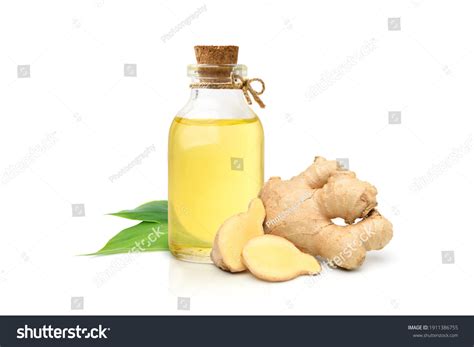
Ginger oil is available in the form of extracts or essential oils. If using essential oils, it is imperative to dilute them with a carrier oil before application. Apply the product generously throughout the scalp and hair, enjoying its spicy and invigorating aroma. Rinse out after 15 to 30 minutes.
Ginger Juice
Ginger juice can be prepared directly from fresh ginger root. You can cut off an edge of a fresh root and massage it directly onto your scalp. Alternatively, the root can be pureed in a blender and then applied all over the hair.
Ginger Hair Mask
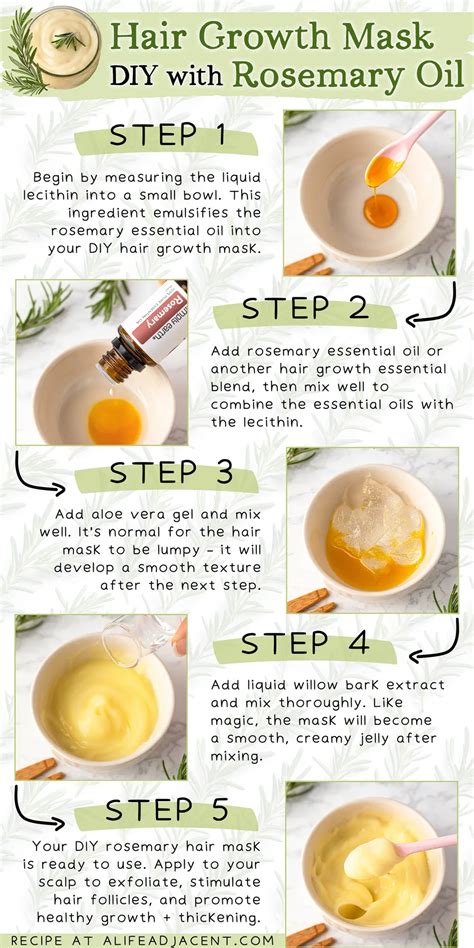
To create a ginger hair mask, combine ginger juice, essential oil, or extract with equal parts of a carrier oil, such as argan, coconut, or jojoba oil. Massage the mixture into the scalp and ensure even coverage throughout the hair. Cover your hair with a cap and leave it on for up to 30 minutes before rinsing thoroughly. If the primary focus is scalp treatment, you may incorporate an acidic ingredient such as yogurt, lemon, or apple cider vinegar into the mask.
Ginger Supplements
Ginger supplements are accessible in various forms, including teas, capsules, and tablets. When taking ginger orally, adhere strictly to the product instructions and discontinue use if any gastrointestinal side effects arise. It is always advisable to consult with a healthcare professional before commencing any supplement regimen. It is worth noting that scientific evidence linking ginger supplements to hair growth is limited.
Given the limited availability of scientifically proven over-the-counter hair growth solutions, consumers are increasingly exploring traditional methods in hopes of finding effective remedies. While ginger is frequently promoted online, its efficacy in promoting hair growth or preventing hair loss has not been scientifically established. Nevertheless, individuals experiencing certain scalp conditions might find benefit from its anti-inflammatory properties.
Despite ginger being a natural substance, it can elicit side effects in some individuals. Consulting with a doctor beforehand is always prudent, particularly if you are taking medications or have pre-existing health conditions. While a ginger-infused hair mask may offer a refreshing and aromatic experience, significant hair growth effects may not be observed.