Ginseng has been a cornerstone of traditional medicine for centuries, brimming with skin-boosting benefits that continue to be highly valued in modern skincare. Its potent properties offer a range of advantages, making it a sought-after ingredient for those looking to enhance their complexion.
Understanding Ginseng
What is Ginseng?
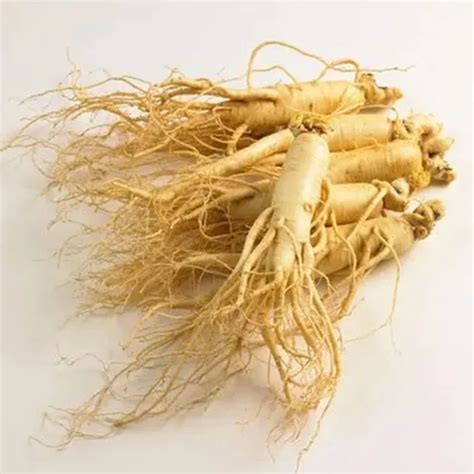
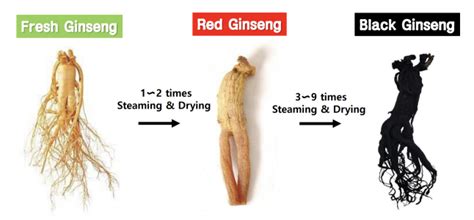
Ginseng is a root that grows underground, with several varieties available. The most common types are Korean Ginseng (also known as Asian or Chinese Ginseng) and American Ginseng. You may also encounter references to red and white Ginseng. These color distinctions do not indicate different plant species but rather the processing methods: white Ginseng is peeled and dried, while red Ginseng is steamed. The use of Ginseng in teas and tonics has been a significant part of traditional Chinese medicine for centuries, and it has also been an important skincare ingredient in South Korea for a very long time.
In the context of skincare, Ginseng is considered an ancient ingredient, especially when compared to newer formulations like Polyglutamic acid and Retinol. Its enduring popularity stems from a multitude of reasons that continue to benefit the skin.
The Multifaceted Benefits of Ginseng for Skin
Ginseng offers a wealth of advantages to skincare formulations. Its potential benefits include:
- Firming the skin: Helping to restore elasticity and a more toned appearance.
- Smoothing fine lines and wrinkles: Reducing the visibility of aging signs.
- Brightening dull complexions: Revitalizing tired-looking skin for a more luminous glow.
- Reducing blotchiness and redness: Calming inflammation and promoting an even skin tone.
- Shielding skin from free radicals: Providing antioxidant protection against environmental damage.
- Preventing hyperpigmentation: Helping to curb the formation of dark spots, such as sun spots.
- Reducing inflammation: Soothing stressed or irritated complexions.
- De-puffing the skin: Minimizing swelling, particularly in delicate areas like the under-eyes.
Ginseng and Anti-Aging
The Impact of Aging on Skin
As we age, our skin undergoes various changes. These can include the appearance of sunspots, a decrease in firmness, deepening fine lines and wrinkles, and a duller complexion. While the aging process is natural, skincare can help minimize factors that accelerate it, primarily sun exposure and stress.
Protection Against Environmental Damage
When skin is exposed to UV rays, the collagen and elastin proteins responsible for its bounce and spring can break down more rapidly. UV exposure can also disrupt melanocytes, the cells that produce melanin, leading to an overproduction and the formation of darker patches. While this damage may not be immediately apparent, it can become more visible in our 40s and beyond. While SPF is the primary defense, antioxidants like Ginseng provide an additional layer of protection, acting as a shield against sun damage.
Combating Stress-Induced Aging
Stress also significantly impacts our skin. Elevated levels of the stress hormone cortisol can accelerate collagen depletion and trigger skin issues like acne, rosacea, and psoriasis. Ginseng's anti-inflammatory properties help to calm the skin, restore balance, and reduce redness and puffiness associated with stress, contributing to a more serene complexion.
Ginseng's Role in Collagen Production
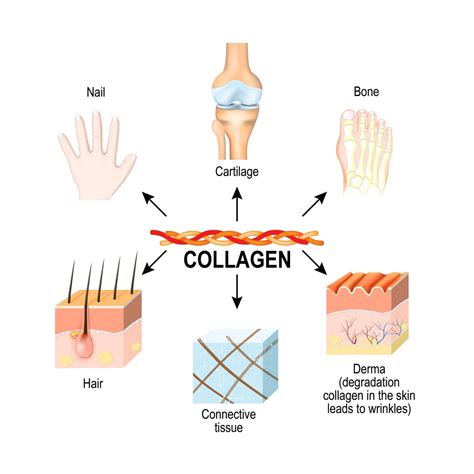
While Ginseng doesn't directly build collagen, it plays a crucial role in the process. In younger skin, abundant collagen provides plumpness and softness. As collagen levels decline with age, skin can lose its firmness, leading to fine lines and wrinkles. Ginseng can help slow down the rate at which collagen diminishes and, according to studies, may encourage the skin to produce more collagen, helping to replenish lost reserves.
Ginseng as an Active Skincare Ingredient
An active ingredient is defined as any component added to a formula with the specific purpose of influencing the skin's condition. Stabilizers or preservatives, for example, do not count as active ingredients. Ginseng's functions in skincare-such as preventing pigmentation, firming lines, and reducing redness-firmly place it in the category of active ingredients. Although it might not be as widely recognized as Vitamin C or Hyaluronic Acid, its efficacy as an active ingredient is undeniable.
Integrating Ginseng into Your Skincare Routine
Versatility in Application
Ginseng can be incorporated into virtually any step of your skincare routine. Unlike ingredients like Retinol or Glycolic acid, which can increase sun sensitivity and are best used in the evening, Ginseng's calming and soothing properties are beneficial both day and night. For optimal results, it is recommended to use Ginseng in leave-on products such as serums or moisturizers, rather than in cleansers that are washed off.
Targeted Use for Specific Concerns
If your skin becomes uncomfortable or red after cleansing, a product containing Ginseng can help soothe it, allowing the rest of your routine to be applied to a happier complexion. Given its de-puffing and brightening capabilities, and its low risk of irritation, Ginseng is also an excellent ingredient for the delicate eye area. It is generally advised to apply eye cream before moisturizer to ensure maximum absorption and efficacy.
Ginseng and Other Actives
Ginseng is known for its versatility and non-reactive nature, meaning it pairs well with a wide range of other active ingredients. However, it's important to introduce multiple new actives gradually to avoid overwhelming the skin. While it's generally safe to layer a ginseng serum after a mild exfoliator, observing your skin's reaction is key. Many find that using ginseng in the morning and exfoliating acids at night provides a balanced approach, preventing over-taxing the skin.
The Benefits of Ginseng
Who Benefits Most from Ginseng?
Suitable for All Skin Types
Ginseng is considered suitable for all skin types and tones, making it a universally beneficial ingredient. It is often described as the skincare equivalent of a friend who fits in anywhere, making it easy to incorporate into any routine without extensive knowledge of complex ingredient interactions.
Target Concerns
Individuals experiencing concerns such as fine lines, loss of firmness, dullness, or redness will find Ginseng particularly beneficial. Its ability to address these issues makes it a valuable addition to anti-aging and brightening regimens.
Understanding Different Ginseng Forms and Potency
Types of Ginseng in Skincare
While various types of Ginseng exist, most skincare products utilize fresh or white Ginseng due to cost-effectiveness. However, red Ginseng, processed through steaming, contains higher concentrations of ginsenosides-compounds recognized for their anti-aging effects. These ginsenosides are instrumental in reducing the appearance of wrinkles and improving skin elasticity.
It's important to note that all forms of Ginseng are typically listed as "Panax ginseng" in ingredient lists. If you seek specific benefits like wrinkle reduction or enhanced firmness, inquiring with the brand about the type of Ginseng used (red or fermented) can be helpful. For general antioxidant benefits, any Ginseng extract will suffice.
Fermented Ginseng
Fermented Ginseng is a sub-trend in skincare where fermentation breaks down Ginseng's compounds into smaller molecules, potentially enhancing absorption and potency. While fermented Ginseng serums can be highly effective, non-fermented versions still offer significant benefits.
Ginseng vs. Retinol
Retinol is highly praised for its ability to stimulate cell turnover and smooth fine lines. In contrast, Ginseng focuses more on boosting circulation, providing antioxidants, and gently encouraging collagen production. For those seeking a milder approach to skin rejuvenation, Ginseng can be a good alternative to potentially harsh retinoids. However, if your skin tolerates both, they can be used together for synergistic effects.
Incorporating Ginseng into Daily Use
Consistency is Key
Ginseng won't magically erase years of sun damage or stress overnight. However, consistent use can lead to smoother, more vibrant skin over time. Patience and regular application are essential to realizing its full potential.
Application Tips
When using a Ginseng serum, apply 2-3 drops to your face and neck after cleansing and toning. If you use other serums, such as those containing Vitamin C or Niacinamide, apply them next. In the evening, a similar routine can be followed, potentially incorporating retinol or a richer moisturizer if your skin tends to be dry.
Patch Testing and Precautions
As with any new skincare ingredient, it is advisable to introduce Ginseng slowly and perform a patch test on a small area of skin first. If you have very sensitive skin, a thorough patch test is crucial. Consulting a dermatologist is recommended if you have a history of severe skin conditions or contact dermatitis. Additionally, individuals who are pregnant or nursing should consult a healthcare professional before using Ginseng products.
Ginseng in Korean Beauty (K-Beauty)
Ginseng serums are often featured in K-Beauty lines, reflecting the ingredient's deep cultural significance in Korea, where it symbolizes vitality and longevity. The Korean approach to skincare, often involving multi-step routines like double cleansing, toning, and layering essences and serums, creates an optimal environment for ingredients like Ginseng to perform effectively.
DIY and Experimental Uses
For the more adventurous, incorporating Ginseng into DIY face masks with dried Ginseng powder or mild infusions can be a fun way to customize skincare. However, it's important to remember that well-formulated products from trusted brands often provide more reliable and consistent results than homemade concoctions.
Key Ingredient Breakdown in a Ginseng Retinol Multi Serum
A typical Ginseng Retinol Multi Serum might contain several key ingredients working synergistically:
- Water: The most common cosmetic ingredient, serving as a base.
- Glycerin: A humectant that draws moisture to the skin, improving hydration and barrier function.
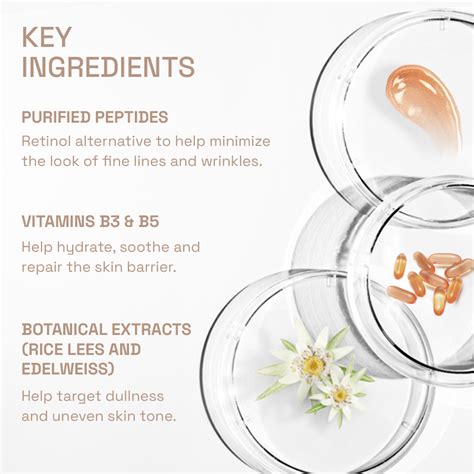
- Niacinamide (Vitamin B3): Strengthens the skin barrier, reduces pores and dark spots, regulates oil, and improves signs of aging.
- Sodium Hyaluronate: A salt form of hyaluronic acid, excellent for hydration and acting as a humectant.
- Panthenol (Pro-Vitamin B5): Hydrates, soothes, and aids in skin repair.
- Adenosine: Hydrates the skin, smooths texture, and supports collagen production for improved firmness.
- Retinol: A gold-standard ingredient for anti-aging, proven to reduce wrinkles, fade dark spots, and treat acne.
- Centella Asiatica Extract: Known for its anti-inflammatory and soothing properties, aiding in hydration and protection.
- Oryza Sativa (Rice) Bran Water: Provides skin-nourishing hydration and helps brighten dull complexions.
- Arginine: An amino acid with antioxidant properties that can help repair damaged skin.
- Allantoin: A soothing ingredient that promotes cell turnover and moisturizes.
- Parfum (Fragrance): Adds scent to the product.
- Carbomer: Used as a gelling agent and thickener.
- Propanediol: Acts as a humectant, solvent, and texture enhancer.
- Pentylene Glycol: A humectant that also acts as a mild preservative and texture enhancer.
Note: Ingredient lists can vary by product and manufacturer. Always refer to the product packaging for the most accurate information.
Conclusion
Ginseng Retinol Multi Serum offers a powerful combination of ingredients to address multiple skin concerns. By harnessing the antioxidant, anti-inflammatory, and collagen-boosting properties of Ginseng, alongside the cell-renewing power of Retinol, this type of serum can help achieve brighter, firmer, and more youthful-looking skin. Consistent use, proper application, and an understanding of its compatibility with other ingredients will pave the way for noticeable improvements in skin texture, tone, and overall radiance.