Selecting the right hair dye when you have sensitive skin or scalp can be a challenging task. Many conventional hair dyes, even those marketed as "gentle" or "natural," can still contain aggressive chemicals that lead to irritation, dryness, or allergic reactions. This guide aims to provide a thorough understanding of hair dye types, ingredients to avoid, and recommended brands for those with sensitive skin and mature hair.
Understanding the Challenges of Hair Dyeing with Sensitive Skin
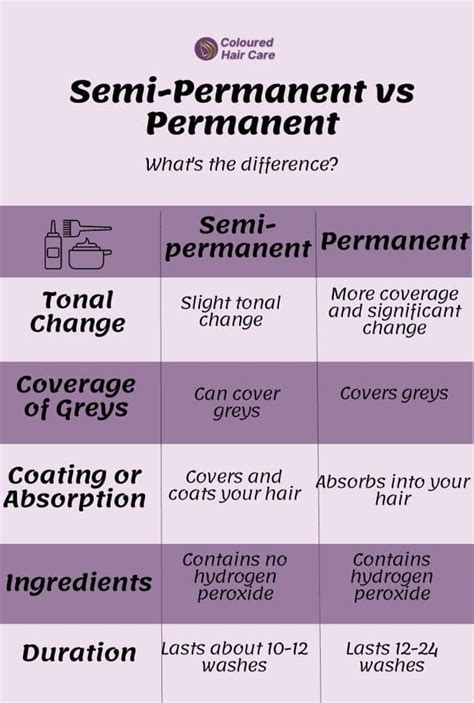
As hair ages, it naturally becomes more porous and less elastic. Similarly, the scalp thins, produces less oil, and can become more reactive. Traditional permanent hair dyes, which rely on harsh chemicals like ammonia and hydrogen peroxide to open the hair cuticle and deposit color, can exacerbate these changes, leading to irritation, breakage, and accelerated thinning.
Key Ingredients to Avoid in Hair Dyes
Certain ingredients are common culprits behind allergic reactions and scalp irritation. It is crucial to be aware of these and to choose products that are free from them:
- PPD (para-phenylenediamine): This is a frequent trigger for allergic reactions, causing itching, swelling, and dermatitis. Sensitization can build over time, meaning a product that was once tolerated can suddenly cause a reaction.
- Ammonia: This chemical aggressively opens the hair cuticle, leading to dryness, irritation, and long-term damage. Ammonia-free formulas help hair retain moisture, which is vital for aging or sensitive hair.
- Resorcinol: A known irritant that can worsen scalp inflammation and disrupt the scalp's natural barrier.
- Parabens and Phthalates: These are linked to hormonal disruption and increased skin sensitivity.
- Coal Tar Dyes and Formaldehyde-Releasing Preservatives: These pose additional health concerns with repeated exposure.
It's important to note that "natural" labeling is not always regulated, and many brands may still contain sensitizing chemicals. Always check the ingredient list for verification.
Hair Dye Types and Their Suitability for Sensitive Skin
Understanding the different types of hair dyes can help in making an informed choice:
Temporary Color
This is the gentlest option, containing no ammonia or developer. It sits on the hair's surface, offering minimal gray coverage and fading quickly.
Semi-Permanent Color
Often considered the best balance for sensitive or mature hair, these formulas are typically ammonia-free and use little to no developer. They fade gradually over several weeks and are effective for gray blending rather than complete coverage.
Demi-Permanent Dyes
These fall between semi-permanent and permanent options. They use low-strength developers, providing longer-lasting results with less damage than traditional permanent color.
Permanent Dyes
While offering the strongest gray coverage, permanent dyes carry the highest risk of irritation and cumulative damage. They are best reserved for situations requiring high gray density and should be used with caution on sensitive scalps.
Recommended Hair Dye Brands for Sensitive Skin and Mature Hair
Several brands have distinguished themselves by offering safer alternatives that still deliver excellent results:
Ammonia-Free & Low-Chemical Brands
- Tints of Nature: Known for its ammonia-free, low-PPD formula, this brand offers high gray coverage and is particularly good for brunettes, providing rich tones without excessive dryness.
- Herbatint: Dermatologist-tested and alcohol-free, Herbatint uses herbal extracts to soothe irritation and consistently covers gray without harsh regrowth lines.
- Madison Reed: This brand offers professional-grade results free from ammonia, resorcinol, parabens, and phthalates. It provides excellent gray blending with a softer grow-out, prioritizing scalp comfort.
Plant-Based & Natural Dye Systems
For those seeking truly natural options, plant-based systems like henna and indigo are considered among the safest. Pure henna and cassia condition the hair while depositing pigment and strengthening strands.
- Khadi and Moroccan Method: These brands focus on purity and rigorous heavy-metal testing for their plant-based dyes.
Note: It is crucial to ensure that henna products are pure and free from metallic salts or synthetic dyes, which can cause severe reactions. Always opt for certified brands.
Protein-Based Repigmentation Alternatives
- Hairprint: This unique system uses food-grade ingredients for protein-based repigmentation rather than oxidative dye. It is certified Made Safe and is ideal for brown or black hair with less than 50% gray. It does not work on blonde or red hair and requires consistent use.
Salon-Grade Ammonia-Free Options
Professional brands such as Aveda, EcoColors, and NATULIQUE offer lower-chemical formulations that are best applied under expert supervision. Salon application minimizes processing time and scalp exposure, making the coloring process safer.
Preparing Your Scalp for Coloring
Even the safest hair dye can cause issues if applied to an unhealthy scalp. Proper preparation is key:
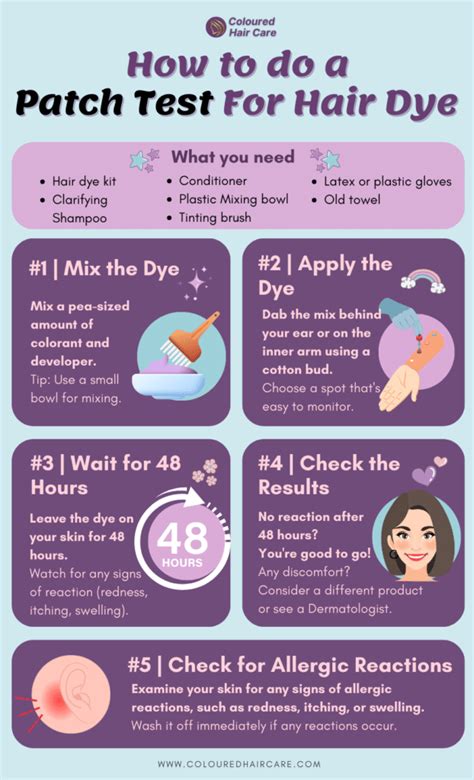
- Patch Test: Always perform a patch test 24-48 hours before coloring, even with "clean" dyes, to check for allergic reactions.
- Scalp Detoxification: A gentle clarifying wash a day or two prior can remove buildup without stripping protective oils.
- Avoid Shampooing Before Coloring: Natural oils on the scalp act as a protective barrier. Do not shampoo immediately before applying hair dye.
- Postpone Coloring if Irritated: If you have dandruff, psoriasis, or open irritation, wait until your scalp is calm before coloring.
The Importance of Professional Application
Professional colorists are trained to assess scalp health, hair porosity, and sensitivity before applying color. They use barrier creams, control processing times, and employ precise sectioning techniques to minimize irritation and damage. For mature or sensitive hair, professional application is not just a convenience but a crucial step in protecting hair and scalp health.
Colorists can also dilute and customize formulas, significantly reducing the risk of irritation for sensitive clients. Over time, professional application can be more cost-effective than correcting at-home mistakes or treating damage.
Choosing the Right Healthy Hair Dye for Your Needs
The best hair dye for sensitive skin depends on several factors, including gray percentage, hair texture, and lifestyle. Fine or fragile hair may benefit more from semi-permanent color, while coarse hair can better tolerate demi-permanent options. High gray percentages often blend more naturally with lighter, less opaque coverage.
Ultimately, healthier hair, regardless of shade, always looks more youthful than damaged hair. Making informed choices about ingredients, dye types, and application methods is essential for achieving beautiful color without compromising scalp health.