Dandruff affects approximately 50 percent of the population, manifesting as simple scaling of the scalp. An itchy scalp can stem from various conditions, including dandruff, seborrhoeic dermatitis, and psoriasis. Medicated shampoos are a common and effective treatment for both dandruff and an itchy scalp.
About Dandruff
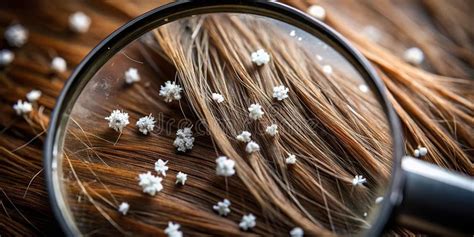
Dandruff, also known as pityriasis capitis, is a condition characterized by the shedding of skin cells from the scalp. It is estimated that around 50 percent of the population experiences dandruff at some point in their lives. Regular washing with an anti-dandruff shampoo is a useful method for managing this condition.
Why Dandruff Occurs
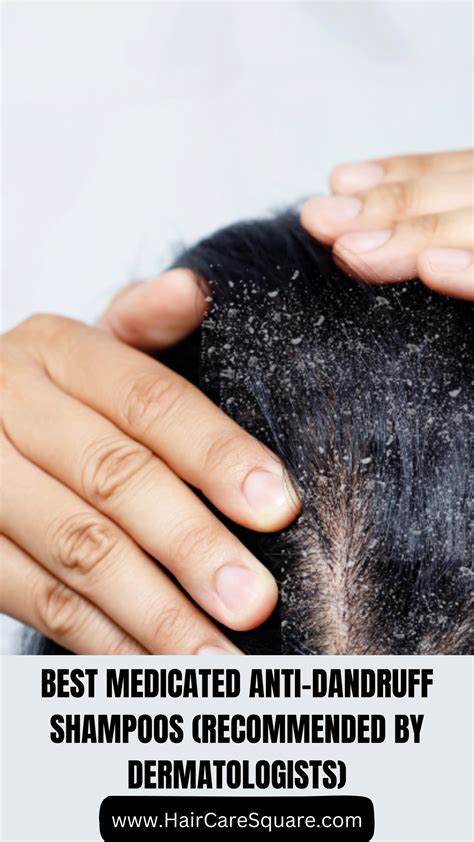
The outermost layer of the skin is in a constant state of shedding and renewal. Normally, this process goes unnoticed as skin cells are shed individually. However, inflammation of the scalp can cause these cells to clump together. When larger clusters of cells are shed, they become visible as flakes, particularly noticeable on dark clothing or trapped within the hair on the scalp.
Itchy Scalp
An itchy scalp, with or without accompanying scaling, is a very common issue. It can occur in individuals without an apparent cause, often leading to scratching. This scratching can result in scratch marks and small, crusty sores across the scalp. While dandruff is a frequent cause of an itchy scalp, other less common skin conditions can also present with this symptom.
Seborrhoeic Dermatitis
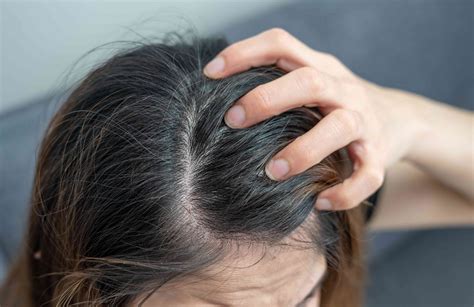
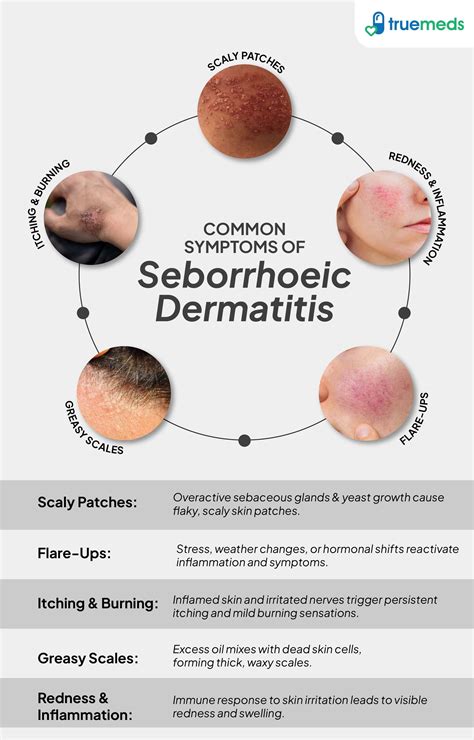
Seborrhoeic dermatitis is a condition that causes a red, itchy, and scaly reaction on the scalp. It can be considered a more severe form of dandruff, characterized by more pronounced scaling and often an inflamed scalp. This condition can be intensely itchy and may affect other areas of the body, including the face, eyebrows, beard, and the central chest area.
Symptoms of Seborrhoeic Dermatitis
The symptoms of seborrhoeic dermatitis typically develop gradually and can include:
- Dry or greasy diffuse scaling of the scalp, which is the most common presentation.
- Yellow-red scaling in areas prone to severe disease, such as along the hairline, behind the ears, on the eyebrows, the bridge of the nose, in the creases between the nose and lips, inside the ears, over the sternum, and in the underarms and groin areas.
Causes of Seborrhoeic Dermatitis
Seborrhoeic dermatitis affects areas of the body with a high density of large oil glands. The inflammation is believed to be a reaction of the body to a specific yeast on the scalp and to the byproducts created when oil produced by the oil glands is broken down.
Cradle Cap
Cradle cap is a form of seborrhoeic dermatitis that occurs in newborns. While it may differ from the adult form, it results in thick, yellow-crusted lesions on the scalp. Other symptoms can include splits in the skin behind the ears, red facial pustules, and stubborn nappy rash. Older children may develop thick, stubborn plaques on the scalp, measuring one to two centimeters across.
Factors Affecting Seborrhoeic Dermatitis
The incidence and severity of seborrhoeic dermatitis appear to be influenced by several factors:
- Other illnesses: Individuals with neurological diseases, such as Parkinson’s disease, stroke, and paralysis, or HIV, may experience severe seborrhoeic dermatitis.
- Emotional or physical stress.
- Genetic factors.
- Seasonal changes: Seborrhoeic dermatitis is often worse during winter.
Parkinson's disease and AIDS are known to increase both the risk and severity of seborrhoeic dermatitis.
Psoriasis and Itchy Scalp
Psoriasis is a relatively common skin condition affecting about three percent of the population. While it can manifest on the scalp, elbows, and knees, it is often confined to these areas. Unlike seborrhoeic dermatitis, which tends to affect the entire scalp, psoriasis frequently appears in small, localized patches of redness with noticeably thick scaling. Due to its localized nature on the scalp, psoriasis can sometimes be misdiagnosed as a severe case of dandruff or seborrhoeic dermatitis. Psoriasis has a genetic predisposition, with a family history often present. Stress can also act as a trigger for this condition.
Treating Dandruff and Itchy Scalp
For many, regular washing of the scalp with a medicated shampoo is sufficient to relieve an itchy scalp. The most common anti-dandruff shampoos contain one or more of the following active ingredients:
- Zinc pyrithione or zinc omadine
- Selenium sulphide
- Piroctone olamine: This is a newer ingredient, often referred to as a 'second generation' anti-dandruff agent, known for being less toxic and safer for family use.
- Antifungal agents
- Tar: Shampoos containing tar have a long history of use, particularly for more severe scalp conditions. While older tar-based shampoos had an unpleasant scent, newer preparations are generally well-tolerated and easy to use.
In cases of severe or treatment-resistant dandruff, topical corticosteroid lotions can provide symptomatic relief.
Frequency of Medicated Shampoo Use
The frequency with which you need to use medicated shampoos depends on the severity of your dandruff and the specific treatment you are using. It is essential to always read and follow the directions on the shampoo packaging. Some products are gentle enough for daily use, while others are recommended only once a week. Over time, individuals can determine the optimal frequency for their dandruff management. Generally, those with a scaly scalp should shampoo daily, as infrequent shampooing can lead to scale buildup and worsen symptoms.
Most anti-dandruff shampoos are rinse-off formulations. It typically takes 5 to 10 washes for dandruff to clear. A conditioner can be used to prevent excessive dryness from frequent washing. Using anti-dandruff conditioners can enhance the shampoo's effectiveness by five to 10 percent, whereas unmatched conditioners may reduce the shampoo's efficacy. In general, it takes five to ten washes to clear up dandruff.
Seborrhoeic Dermatitis and Hair Loss
Seborrhoeic dermatitis, also known as seborrhoeic eczema, is a chronic skin condition that primarily affects the scalp. It can damage hair follicles and impede hair growth. Hair loss is closely associated with seborrhoeic dermatitis because increased sebum production can lead to irritation and inflammation of the scalp, causing intense itchiness. Excess sebum can also disrupt the balance of Malassezia, a naturally occurring yeast on the skin. If Malassezia is overproduced and left untreated, it can cause inflammation and further damage to hair follicles.
There is no single direct cause of seborrhoeic dermatitis, as it often develops in individuals who are otherwise healthy. The condition directly impacts the scalp and the hair follicles' ability to produce hair naturally. To effectively treat the symptoms, the underlying condition must be addressed.
Treatment Options for Seborrhoeic Dermatitis
- Pyrithione zinc: This ingredient, possessing antifungal and antibacterial properties, is an effective treatment for seborrhoeic dermatitis. It is often found in shampoos designed to treat dandruff by eliminating the fungi that cause itchy, flaky skin.
- Selenium sulphide: Another antifungal agent, selenium sulphide can treat seborrhoeic dermatitis by eliminating Malassezia yeast and reducing skin inflammation.
- Ketoconazole: This is a highly effective agent for treating fungal infections on the skin.
- Salicylic acid: This ingredient, found in many dandruff shampoos, can soften the scales on the scalp caused by irregular sebum production.
- Medicated shampoo: This is the predominant treatment method for seborrhoeic dermatitis, as applying it directly to the scalp addresses the infection and alleviates symptoms.
- Topical corticosteroids: These medications are highly effective for treating seborrhoeic dermatitis by reducing inflammation, relieving erythema (red patches on the skin), and soothing itchy skin. Some corticosteroids also exhibit anti-inflammatory and antifungal properties.
- Calcineurin inhibitor creams: These immunomodulating agents act directly on the immune system to reduce skin inflammation, blocking the chemicals that trigger redness and itchiness.
When seborrhoeic dermatitis flares up, it can lead to increased redness, flaky rashes, and intense itchiness. Flare-ups can be challenging to manage, and the condition itself is not curable. As seborrhoeic dermatitis is a chronic disease, it is likely to persist throughout a person's life. However, the symptoms are treatable, and hair can regrow.
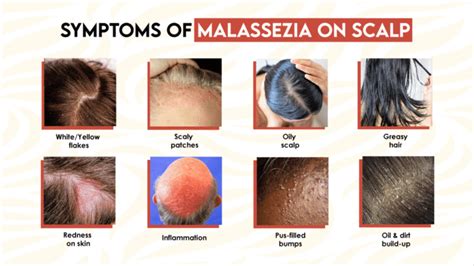
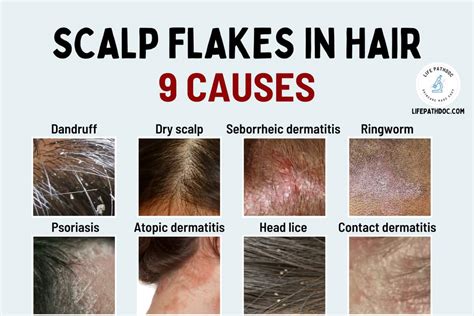
Common Causes of Itchy Scalp and Hair Loss
An itchy scalp can be caused by numerous factors, and identifying the root cause is the first step toward finding relief. Some common causes include:
- Dandruff and Seborrhoeic Dermatitis: As discussed, these conditions are primary culprits for itchy scalps and can lead to hair thinning if left untreated due to inflammation and weakened hair follicles.
- Psoriasis: This autoimmune condition can cause itchy, red, and flaky patches on the scalp. Scratching and irritation associated with psoriasis can lead to hair loss.
- Tinea Capitis (Ringworm of the Scalp): A fungal infection that causes itchy, scaly patches and can lead to hair thinning or breakage at the scalp's surface. It is highly contagious.
- Alopecia Areata: An autoimmune disorder where the immune system attacks hair follicles, causing patchy hair loss and sometimes scalp itchiness.
- Allergic Reactions: Sensitivity to hair products (shampoos, dyes, styling products) or environmental irritants can cause an itchy, inflamed scalp and hair shedding.
- Folliculitis: Inflammation of the hair follicles due to bacterial or fungal infection, leading to itchy bumps and potential hair thinning or loss.
- Contact Dermatitis: A skin reaction to substances that touch the skin, such as new hair products or dyes.
- Fungal Infections: Beyond ringworm, other fungal infections can cause intense itching on the scalp.
- Head Lice: Small insects that live on the scalp, feeding on blood and causing intense itching and raw patches.
- Stress: Emotional or physical stress can make the skin more sensitive, including the scalp, contributing to itchiness.
Treatments for Itchy Scalp and Hair Loss
The treatment for scalp problems is highly dependent on the underlying cause. However, several approaches can help manage symptoms and promote healing:
Topical Treatments
For conditions like dandruff, seborrhoeic dermatitis, and psoriasis, topical treatments such as medicated shampoos are often recommended. Shampoos containing ingredients like ketoconazole, selenium sulphide, or coal tar can effectively combat fungal infections and reduce scalp irritation. For psoriasis, topical steroids or medicated creams can help manage inflammation and prevent excessive hair shedding.
Antifungal Medication
If a fungal infection, such as tinea capitis, is identified as the cause of itchy scalp and hair loss, antifungal treatments are crucial. Oral antifungal medications, like griseofulvin or terbinafine, are commonly prescribed to treat scalp ringworm. These medications work by targeting the fungi, clearing the infection, and allowing hair follicles to recover.
Essential Oils
Certain natural remedies, including essential oils, have shown promise in promoting scalp health and potentially reducing hair loss. Rosemary oil, peppermint oil, and lavender oil are frequently used to stimulate hair growth and alleviate scalp irritation. When diluted with a carrier oil (e.g., coconut or jojoba oil), these essential oils can be massaged into the scalp to reduce inflammation and improve circulation to the hair follicles.
Scalp Care Practices
Gentle scalp care routines are vital for managing irritation and encouraging healthy hair growth. Avoiding tight hairstyles, excessive heat styling, and harsh chemical treatments can minimize strain on the scalp and hair follicles. Maintaining a balanced diet rich in essential nutrients like iron, zinc, and biotin supports overall hair health and helps prevent thinning. Regular scalp massages can also help stimulate blood flow to the hair follicles.
Medical Hair Treatments
For persistent hair loss, medical interventions may be necessary. Options like minoxidil (Rogaine), an over-the-counter solution to stimulate hair growth, and finasteride (Propecia), a prescription medication that inhibits a hormone linked to male-pattern baldness, can help slow hair loss and promote new growth. These treatments should be used under the guidance of a healthcare professional.
Minimally Invasive Hair Restoration
For individuals seeking non-surgical solutions for thinning hair, treatments like platelet-rich plasma (PRP) therapy offer promising results. This procedure involves injecting concentrated platelets from the patient's own blood into the scalp to stimulate hair follicles and encourage regrowth.
Hair Transplant Surgery
In cases of more significant hair loss, hair transplant surgery can be an effective solution. Techniques such as Follicular Unit Extraction (FUE) and Follicular Unit Transplantation (FUT) involve transplanting hair follicles from donor areas to thinning or bald areas, restoring a natural-looking hairline.
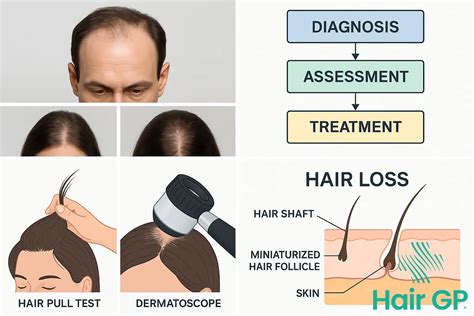
Preventing Scalp Issues
Preventing scalp problems often involves good scalp hygiene and avoiding common irritants:
- Use the Right Shampoo: Choose shampoos that meet your scalp's specific needs. For dandruff, regular use of an anti-dandruff shampoo is recommended.
- Maintain a Balanced Washing Routine: Avoid both over-washing and under-washing your hair. Find a routine that works for your scalp.
- Be Mindful of Hair Products: Pay attention to how your scalp reacts to hair products like dyes, gels, and sprays. Discontinue use if itching occurs.
- Avoid Scratching: While it may provide temporary relief, scratching can irritate the skin and nerve fibers, worsening the itch and potentially leading to further damage.
- Watch for Product Changes: Hair product formulas can change without obvious alterations to packaging. Be aware of potential reactions to new formulations.
When to Seek Professional Help
It is advisable to consult a healthcare professional, such as a dermatologist, if you experience any of the following:
- Sudden or excessive hair loss.
- Development of bald patches.
- Hair falling out in clumps.
- Severe itching and burning of the scalp, especially if accompanied by hair loss.
- Increased inflammation (redness), scarring, severe or persistent itch, or other concerning symptoms.
- Symptoms that worsen or do not improve with home treatment.